
The Short Answer
In many countries, border officials have broad powers to inspect electronic devices. Depending on the jurisdiction, travellers may be asked to unlock phones, laptops, or tablets for inspection.
The exact rules vary by country, but one fact remains consistent:
Your phone often contains more personal information than your passport, wallet and travel documents combined.
Why Your Phone Matters
Modern smartphones store:
- Private messages
- Photos and videos
- Banking applications
- Business communications
- Location history
- Contact information
- Authentication tokens
- Cloud access credentials
Even when data is encrypted, information exposed during an unlocked inspection can reveal significant details about your personal or professional life.

- Who you communicate with
- When communications occurred
- Location information
- Device identifiers
- Network information
In some situations, metadata can be as revealing as the content itself.
Preparing Before You Travel
Good operational security starts before departure.
Consider:
- Reviewing applications installed on your device
- Removing unused accounts
- Separating personal and work activities
- Minimising unnecessary stored data
- Reviewing cloud synchronisation settings
- Using strong device encryption
- Keeping software updated
Preparation is often more effective than reacting during an inspection.
Why Device Architecture Matters
Not all smartphones are designed with the same security priorities. Stock Android and iOS are built around convenience and ecosystem integration — one profile, everything signed in, broad background access for apps and system services.
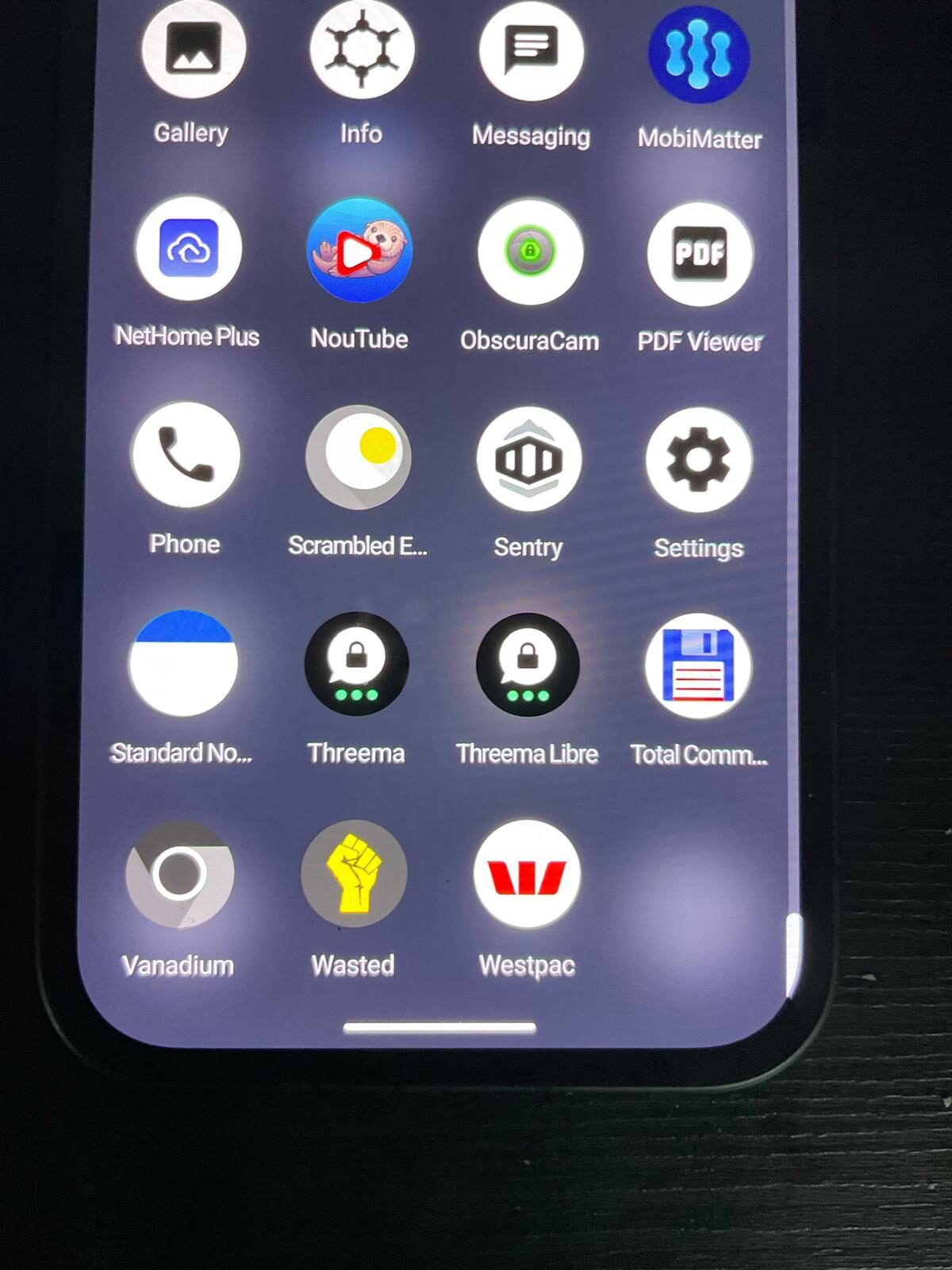
GrapheneOS, the hardened Android-based OS we install on every device, takes the opposite approach. It ships with the bootloader relocked and verified boot active, separates your data into isolated user profiles that stay encrypted until unlocked, and gives you per-app control over network, sensor, storage and contact access rather than an all-or-nothing permission model.
None of this makes a device immune to a border search — an unlocked phone is an unlocked phone, whatever OS it runs. What it changes is how much is exposed if you do unlock it, and how little survives if you don’t: a minimal travel profile with no linked accounts and no message history shows an inspecting officer very little, while your real data stays in a separate, still-encrypted profile that was never loaded.
Understanding these differences helps travellers make informed decisions about the devices they carry.
Australia’s Border Search Powers
Because this site is Australian, it’s worth being specific about the rules that actually apply here rather than speaking only in generalities. The Australian Border Force has examination powers over goods — which can include electronic devices — and in practice a traveller may be asked to make a device available, with the possibility that it is detained for further examination. For the legal detail, see phone search powers in Australia and are encrypted phones legal in Australia?
Other countries have their own, sometimes broader, powers — our border crossing preparation guide covers the general operational approach, with dedicated notes for US border searches and travel to higher-scrutiny destinations such as China.
Final Thoughts
For frequent travellers, journalists, executives and privacy-conscious individuals, mobile security should be considered part of travel preparation.
The goal is not secrecy.
The goal is reducing unnecessary exposure and ensuring that sensitive information is handled responsibly.
Preparation before departure is almost always easier than trying to solve security problems after they arise.
Can Australian border officials search my phone?
Yes. The Australian Border Force has examination powers over goods, which can include electronic devices, and in practice a traveller may be asked to make a device available for inspection or have it detained for further examination. See phone search powers in Australia for the detail. This is not legal advice — for high-exposure travel, get advice specific to your situation.
Can I be forced to unlock my phone at the border?
It depends on the country and circumstances. In some jurisdictions refusing to unlock a device can lead to it being detained; in others the powers are narrower. Because the answer is jurisdiction-specific, the practical approach is to prepare the device in advance — minimal data, powered off before the checkpoint — rather than to plan around refusal.
Does encryption protect my phone during a border inspection?
Encryption protects data at rest — for example while the device is powered off or locked before first unlock. It does not protect anything you or an official can see once the device is unlocked. That’s why profile separation matters as much as encryption: what’s visible in an unlocked, minimal travel profile should not include your real accounts or message history.
What’s the single most effective thing to do before a border crossing?
Reduce what’s on the device before you travel, not what you say at the border. A clean travel profile with no linked accounts, combined with powering the device off before the checkpoint so it sits in its strongest encrypted state, addresses most of the realistic risk with no legal grey areas.
Need a prepared GrapheneOS device?
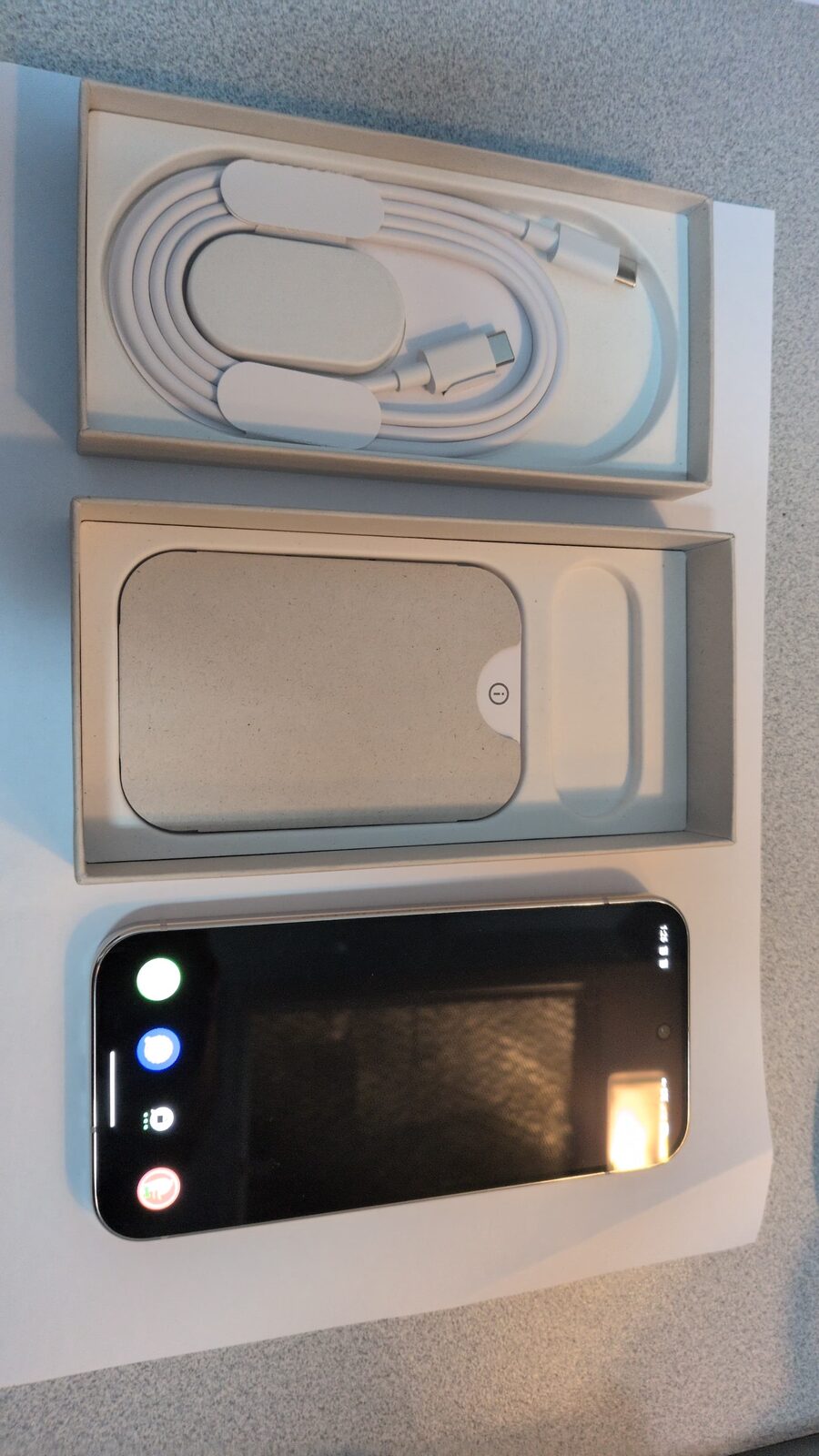
Privacy Devices provides professionally prepared GrapheneOS smartphones configured before dispatch, helping customers start from a stronger security foundation from day one.