Crossing the US border with your phone
The United States is one of the few destinations where electronic device searches at the border are routine and broadly authorised. For Australian executives, founders and frequent flyers, that makes the phone in your pocket a real consideration — not a hypothetical. This is the calm, practical guide: what US Customs and Border Protection can do, why it happens, and how a properly prepared device reduces what you expose.
Travel-ready before departure.
The safe version of a travel phone is built before the trip: minimal data, isolated profiles, VPN ready, and a clean handover if the device is inspected or lost.
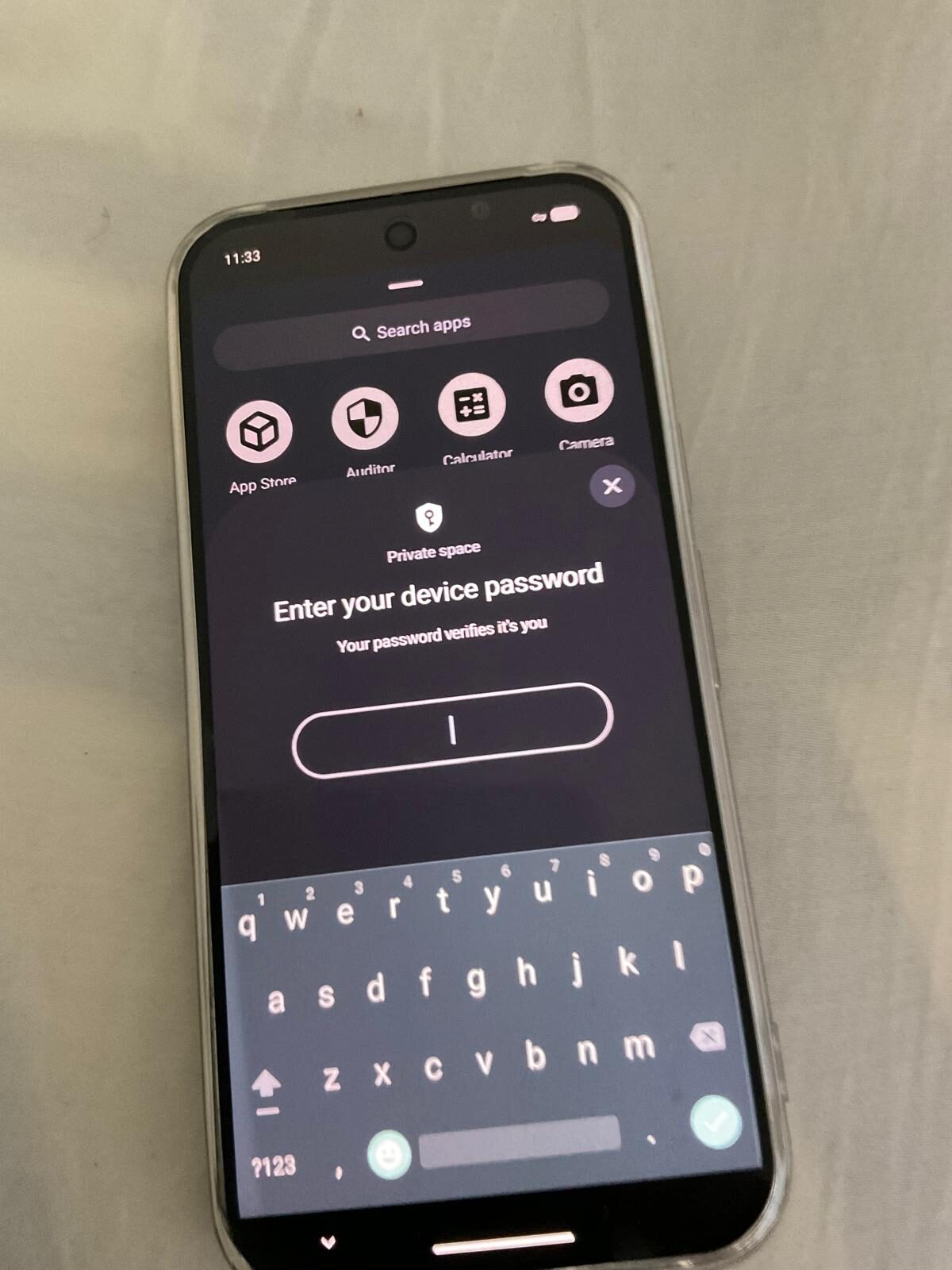
At the US border, CBP asserts the authority to inspect electronic devices, and travellers — including visa and ESTA holders — can be asked to unlock a phone or hand it over for examination, with limited recourse compared to inside the country. The robust response is not evasion; it is data minimisation: travel with as little sensitive data on the device as possible, in a controlled, fully-encrypted state.
What CBP can do at the border
US Customs and Border Protection conducts two broad types of device search: a basic manual review of what is on the device, and an advanced search using forensic tools, typically with some level of suspicion. Crucially, the border is treated as a special zone where the usual expectations of privacy are reduced. For non-citizens in particular, declining to unlock a device can carry consequences for entry. The practical takeaway: assume that what is accessible on your unlocked phone could be examined, and plan so that very little is.
Data minimisation beats everything
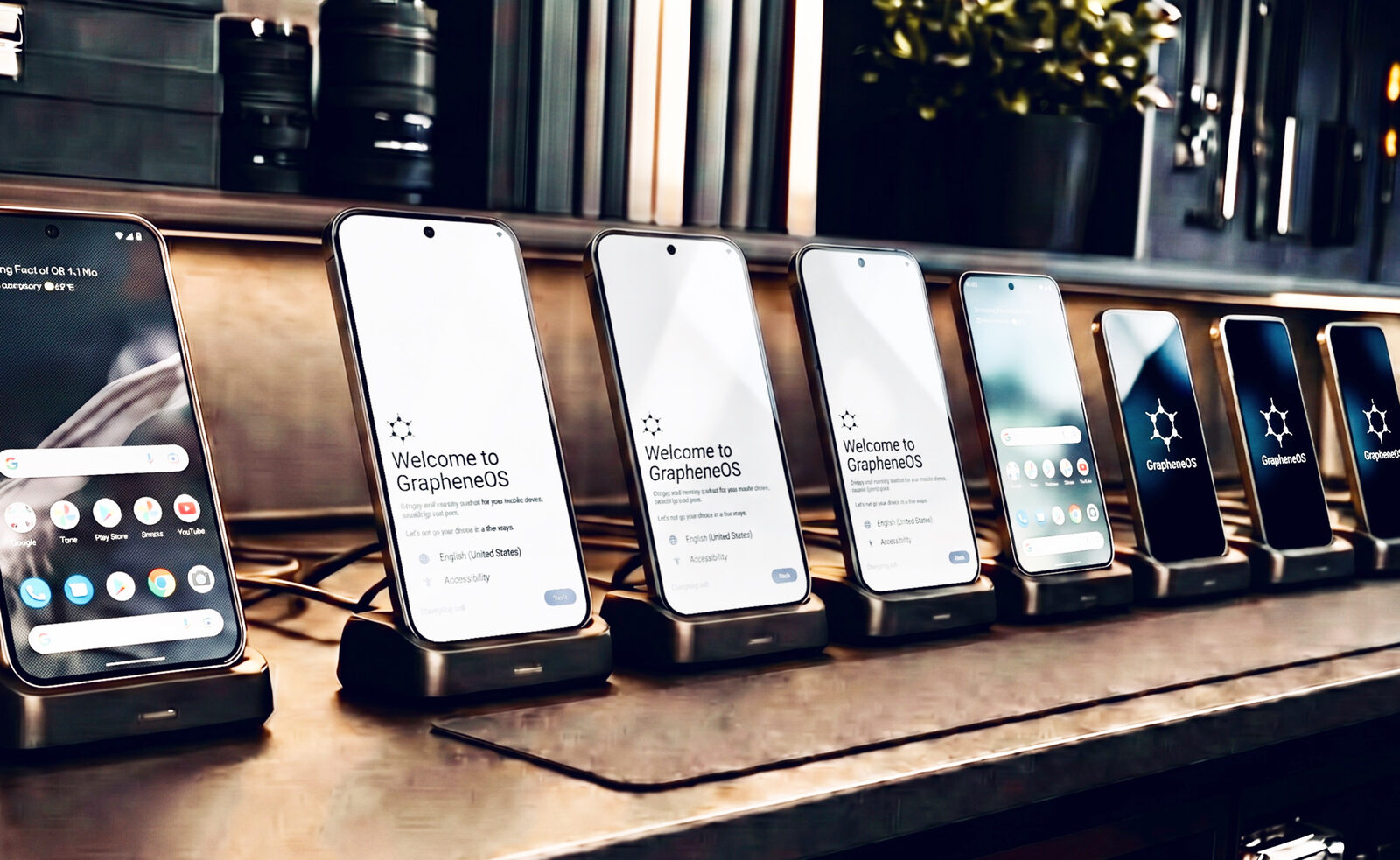
The single most effective strategy is to cross with a device that simply does not hold much. A hardened GrapheneOS phone makes this straightforward through profile separation: a clean travel profile carries only what you need for the trip, while sensitive matters live in a separate profile — or stay at home entirely, accessible later from the cloud over an encrypted connection. Combined with auto-reboot, an idle device sits in its fully-encrypted, before-first-unlock state rather than waiting unlocked.
How to prepare your phone for the USA
Travel with a clean profile
Carry a minimal travel profile; keep sensitive work, client and personal data in a separate profile or off the device, retrievable later.
Power down before the line
A powered-off GrapheneOS phone is in its strongest before-first-unlock state. Auto-reboot returns it there automatically if idle.
Reduce cloud exposure
Sign out of accounts you do not need in transit so a device review does not become an account review. Restore access after you arrive.
Know your posture
Decide in advance how you will respond to a request to unlock, understanding the entry implications for your visa status. See border crossing preparation.
The same logic, applied at home
Australia has its own border examination powers, covered in phone search powers in Australia and border crossing phone preparation. The preparation that protects you entering the US protects you returning home, too: a minimal, fully-encrypted device, profile separation, and a clear plan. Our devices ship with these capabilities built in and configured to your travel pattern — see executive travel phone security for the broader programme, or our secure phone for China travel guide if you are heading to another high-scrutiny destination. Every device carries a 12-month warranty.
US border phone preparation — FAQ
Can US border agents search my phone?
Yes. US Customs and Border Protection asserts authority to inspect electronic devices at the border, including basic manual reviews and, with some level of suspicion, advanced forensic searches. The border is treated as a zone with reduced privacy expectations.
Do I have to unlock my phone for CBP?
It depends on your status. US citizens cannot be denied entry for refusing, though their device may be detained. Visa and ESTA holders who decline can face consequences for entry. Decide your posture in advance, and minimise what is on the device so the question matters less.
What is the best way to prepare a phone for US travel?
Data minimisation. Travel with a clean profile holding only what you need, keep sensitive data in a separate profile or off the device, power the phone down before the border so it is in its strongest encrypted state, and sign out of accounts you do not need in transit.
How does a GrapheneOS phone help at the US border?
Profile separation lets you carry a minimal travel profile while sensitive data stays isolated or off-device. Auto-reboot returns an idle phone to its fully-encrypted before-first-unlock state, and the hardened OS resists forensic extraction when powered off. It is preparedness, used lawfully.
Is it legal to cross the border with an encrypted phone?
Yes. Encrypted phones are lawful to own and carry. Minimising the data you travel with is a legitimate, common practice for executives and professionals. See our page on whether encrypted phones are legal in Australia.
Should I wipe my phone before flying to the USA?
A full wipe is rarely necessary if you use profile separation and a clean travel profile. The goal is to carry little sensitive data, not to appear to be hiding something. We can configure a travel-ready setup for you.
Cross prepared, not exposed.
A minimal travel profile, auto-reboot and a fully-encrypted device — configured to your travel pattern before you fly. 12-month warranty. Crypto accepted.
Browse Prepared Devices → Travel Security ProgrammeDisclaimer. This page provides general information about US border device-search practices and preparation, current as of 2026. It is not legal advice and border policies change. For advice about your specific circumstances or immigration status, consult a qualified legal practitioner.