Are encrypted phones legal in Australia?
Short answer: yes. Owning, buying, and using an encrypted phone is legal in Australia, and so is installing a different operating system on a device you own. The laws people worry about regulate providers and warranted access — not the ordinary act of carrying a secure phone. Here is the calm, factual version.
Prepared for the moment it matters.
Legal, seizure and warranty pages need calm proof: what is checked, what is supported, and what the device can realistically do.

Encryption is legal in Australia. There is no law against owning or using an encrypted phone, and no licence is required. What Australian law does regulate is narrower: it can compel technology providers to assist law enforcement in specific cases, and it can compel a named individual to help unlock a device under a court-issued warrant. Neither makes the device itself unlawful.
Why encrypted phones are legal
Australia has no general restriction on the use of encryption by individuals or businesses. Encryption is built into ordinary banking, messaging, and government services — every Australian already relies on it daily. A phone that simply applies stronger, better-configured encryption is not a different category of object in the eyes of the law; it is the same category, configured well.
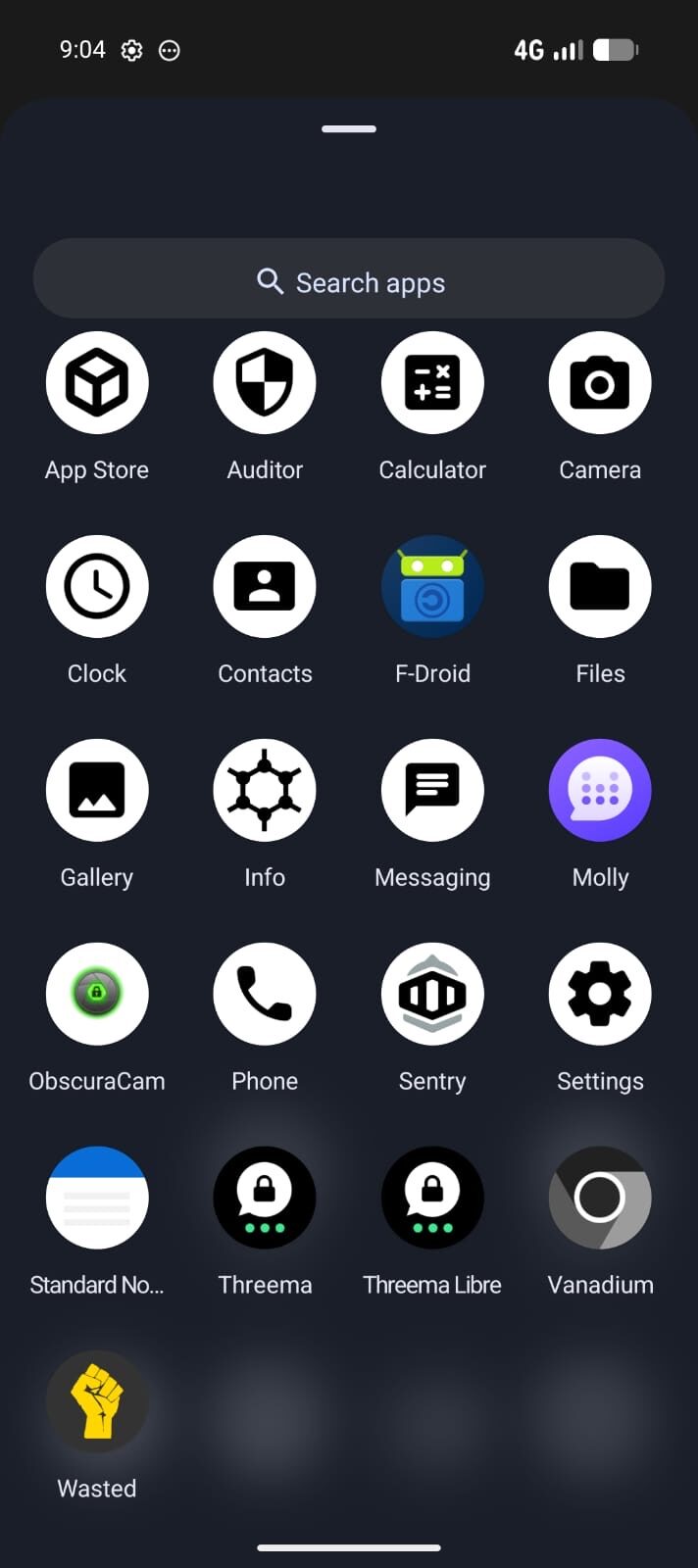
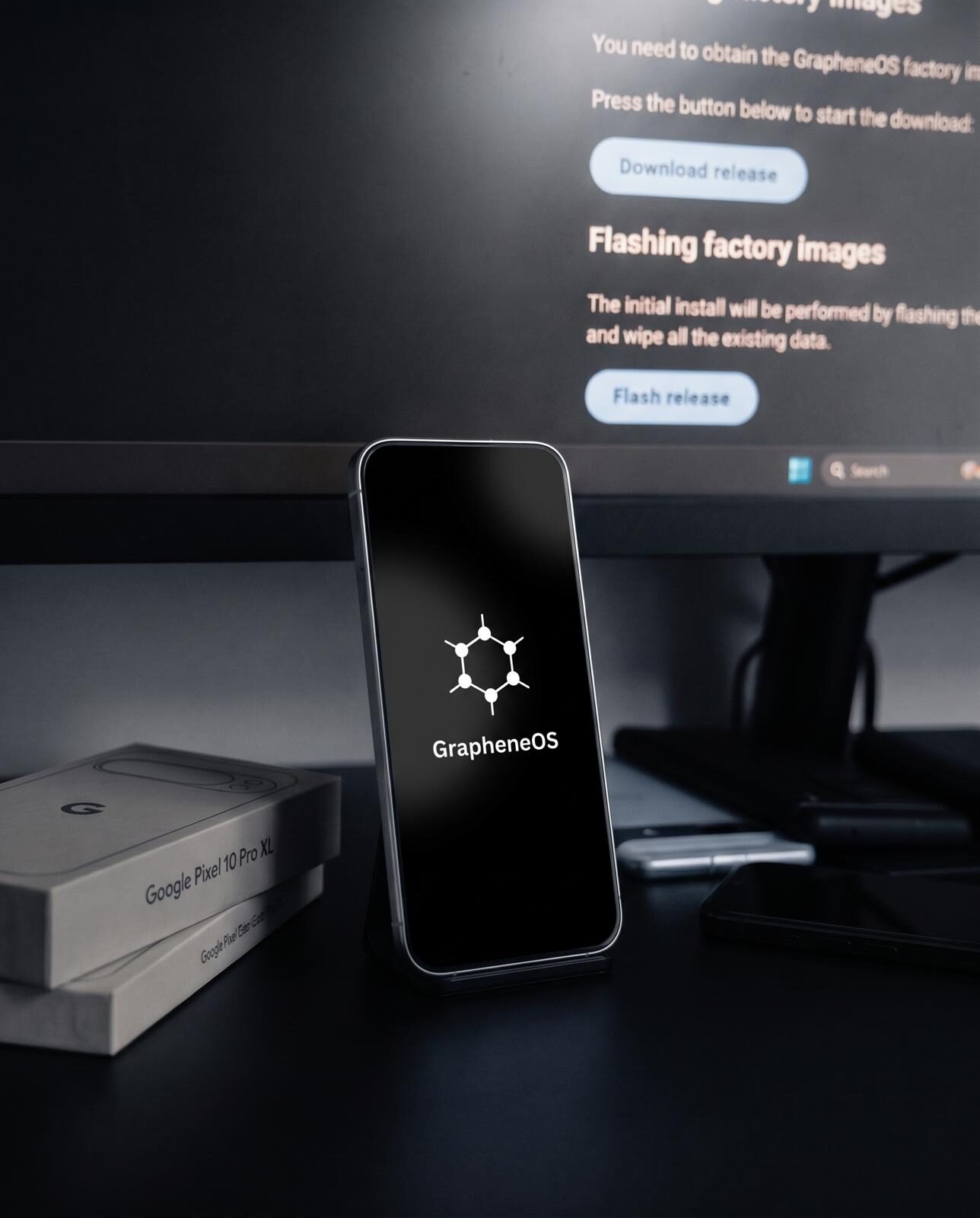
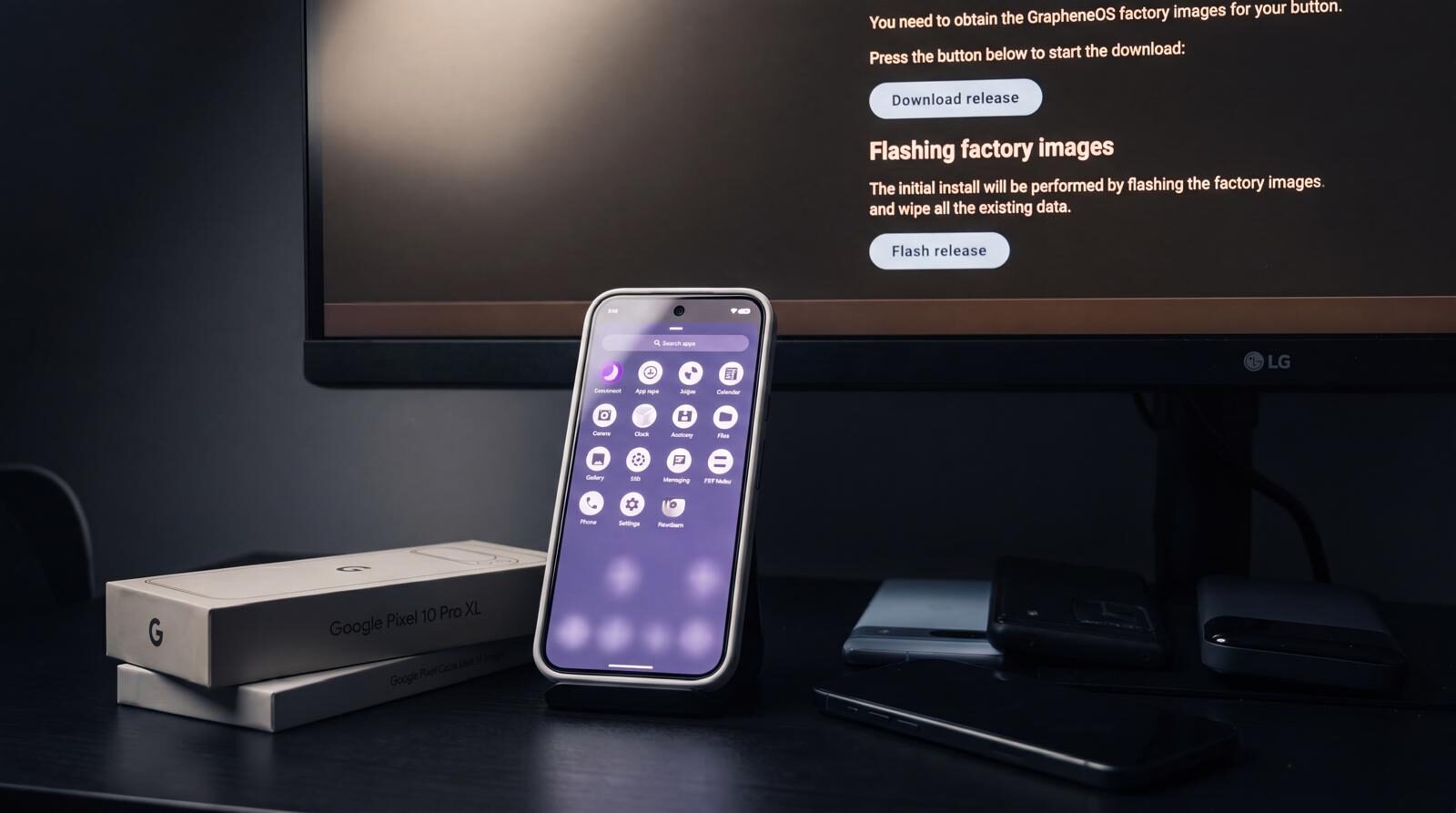
The same applies to the operating system. An encrypted phone from Privacy Devices is a standard Google Pixel running GrapheneOS, an open-source, publicly audited Android-based operating system. You own the hardware, and you have the right to choose the software that runs on hardware you own. Installing an alternative operating system on your own device is lawful.
None of this is a loophole. It is the default position: lawful activity, lawful hardware, lawful software, configured by an Australian-registered business (ABN 35 942 206 406).
What the law actually regulates
Most of the anxiety around "encrypted phone laws" traces back to three pieces of Commonwealth legislation. It is worth understanding what each one does — and, importantly, who it applies to.
The Assistance and Access Act 2018
The Telecommunications and Other Legislation Amendment (Assistance and Access) Act 2018 created a framework for law enforcement to request or compel assistance from technology providers — carriers, device manufacturers, and software companies. It introduced three instruments: a voluntary request, a compulsory notice to use an existing capability, and a notice to build a new capability. Crucially, it is aimed at industry providers, not at end users, and it expressly cannot require a provider to build a "systemic weakness" that undermines security for everyone. Owning an encrypted phone does not place you under this Act.
Assistance orders under warrant (Crimes Act 1914, s3LA)
Under section 3LA of the Crimes Act 1914 (and equivalent state provisions), a magistrate can order a specified person to provide information or assistance — such as a passcode — that is reasonably necessary to access a device that is already subject to a search warrant. This is a targeted, judicially-supervised power tied to an active investigation. It is not triggered by merely possessing a secure device, and it applies regardless of which phone you carry.
The Identify and Disrupt Act 2021
The Surveillance Legislation Amendment (Identify and Disrupt) Act 2021 gave the AFP and ACIC three new warrant types — data disruption, network activity, and account takeover — directed at serious online criminal activity. Like the powers above, these are warrant-based and target investigations into specific conduct, not the lawful use of privacy tools.
Compelled access and the border
Two practical questions come up often, and both deserve a measured answer rather than a scare story.
Can police make me unlock my phone? Not on a whim. Compelled assistance flows from a warrant and, for an order to a person, judicial authorisation (see s3LA above). Failing to comply with a valid order can itself be an offence. Whether and how any of this applies to a given situation is a legal question that depends on the facts — which is exactly why this page is general information and not legal advice.
What about the border? Australian Border Force officers have examination powers over goods, including electronic devices, when people enter the country. The practical reality is that travellers may be asked to make a device available for examination, and a device can be detained. This is an operational consideration for anyone who crosses borders with sensitive information — and it is one of the reasons our devices ship with an auto-reboot setting that returns the phone to a fully-encrypted, before-first-unlock state after a period of inactivity. The point is preparedness, not evasion.
What this means for you as an owner
The device is lawful
A GrapheneOS Pixel is a standard phone running open-source software. Buying it, owning it, and using it day to day involves no special permission and breaks no law.
Your obligations are ordinary
The legal duties that exist — for example, complying with a valid warrant — apply to every phone owner equally. A secure phone does not add new obligations; it does not remove existing ones either.
Preparation is the value
The lawful, sensible posture is to understand your own threat model and configure the device accordingly. That configuration — done correctly, before dispatch — is the product we sell.
If you want the operational layer in detail — duress PIN behaviour, auto-reboot, profile separation, and remote wipe — see Phantom Protocol. For the broader case on what a hardened device is and is not, see secure phone Australia.
Where Privacy Devices fits
We are an Australian business that prepares Google Pixel devices: GrapheneOS installed and verified-boot relocked, encrypted messaging licensed, Mullvad VPN configured, a global eSIM provisioned, and the operational layer armed to your specification. The device is the vessel; the preparation is the product. Everything we configure is lawful to own and lawful to use in Australia.
We do not provide legal advice, and nothing here should be read as encouraging unlawful use. Our devices are configured to reduce data exposure and improve security when used lawfully. If you operate in a context with genuine legal exposure — journalism, legal practice, executive travel, or personal safety — speak to a qualified lawyer about your specific circumstances, and speak to us about a privacy consultation for the technical side.
The same "what does the law actually require" question comes up around digital ID in Australia — a separate but related read if you're mapping out your overall privacy exposure.
Encrypted phones and Australian law — FAQ
Are encrypted phones legal in Australia?
Yes. There is no Australian law against owning, buying, or using an encrypted phone, and no licence is required. Encryption is lawful and is already built into everyday banking, messaging, and government services. A well-configured encrypted phone simply applies that lawful encryption more thoroughly.
Is it legal to install GrapheneOS on a phone in Australia?
Yes. GrapheneOS is open-source software, and you have the right to install the operating system of your choice on hardware you own. Installing GrapheneOS on a Google Pixel is lawful in Australia.
Does the Assistance and Access Act 2018 make my encrypted phone illegal?
No. The Assistance and Access Act 2018 creates obligations for technology providers — carriers, device makers, and software companies — to assist law enforcement in defined circumstances. It does not target end users and does not make owning an encrypted phone unlawful. It also cannot compel a provider to build a systemic weakness.
Can the police force me to unlock my phone in Australia?
Compelled assistance generally flows from a warrant, and an order directing a person to provide a passcode requires judicial authorisation under provisions such as section 3LA of the Crimes Act 1914. It is a targeted power tied to an active investigation, not something triggered by simply owning a secure device. Whether it applies in a given case is a legal question — seek advice from a qualified lawyer.
Can Border Force search my phone when I enter Australia?
Australian Border Force has examination powers over goods, including electronic devices, at the border. In practice a traveller may be asked to make a device available, and a device can be detained for examination. This is why our devices ship with an auto-reboot setting that returns the phone to a fully-encrypted, before-first-unlock state after a period of inactivity — a matter of preparedness, used lawfully.
Can police monitor your phone in Australia?
In Australia, monitoring a person's communications generally requires a warrant — for example an interception or surveillance-device warrant tied to a specific investigation. Carriers also retain certain metadata under the data-retention scheme. Routine, warrantless monitoring of an individual is not the norm. A hardened phone reduces ambient data exposure but does not place anyone above the law.
Does GrapheneOS work in Australia?
Yes. GrapheneOS works on Australian carriers for calls, SMS, mobile data, VoLTE, and eSIM, and most Australian banking and government apps run via a sandboxed Google Play profile. It is a standard Google Pixel running open-source software, fully usable day to day in Australia.
Why would someone have an encrypted phone?
For ordinary, lawful reasons: protecting client confidentiality, journalistic sources, legal matters, commercial deal terms, or personal safety. Strong encryption is a standard part of responsible information handling, not evidence of wrongdoing. Most owners simply prefer that their private communications and movements are not collected by default.
Is this page legal advice?
No. This is general information about the lawful status of encrypted phones in Australia, current as of 2026. It is not legal advice and does not account for your specific circumstances. For advice about your situation, consult a qualified Australian lawyer.
Lawful by default. Prepared by us.
A standard Google Pixel, configured and tested within 1–2 business days before tracked dispatch. Crypto accepted.
Browse Prepared Devices → Talk to UsDisclaimer. This page provides general information about the lawful status of encrypted phones in Australia and is current as of 2026. It is not legal advice and does not take account of your individual circumstances. Laws change and their application depends on the facts. For advice about your specific situation, consult a qualified Australian legal practitioner.