Privacy consultation in Australia — threat-model briefing for executives, journalists, legal teams, survivors.
A privacy consultation Australia engagement maps your specific threat model, audits your current device and account setup, and produces a written action plan. Privacy consultation Australia clients fall into five patterns — corporate fleet rollout, journalist source protection, legal teams handling regulated data, survivors of domestic violence, and high-net-worth individuals aware they are a target.
Advice grounded in the build.
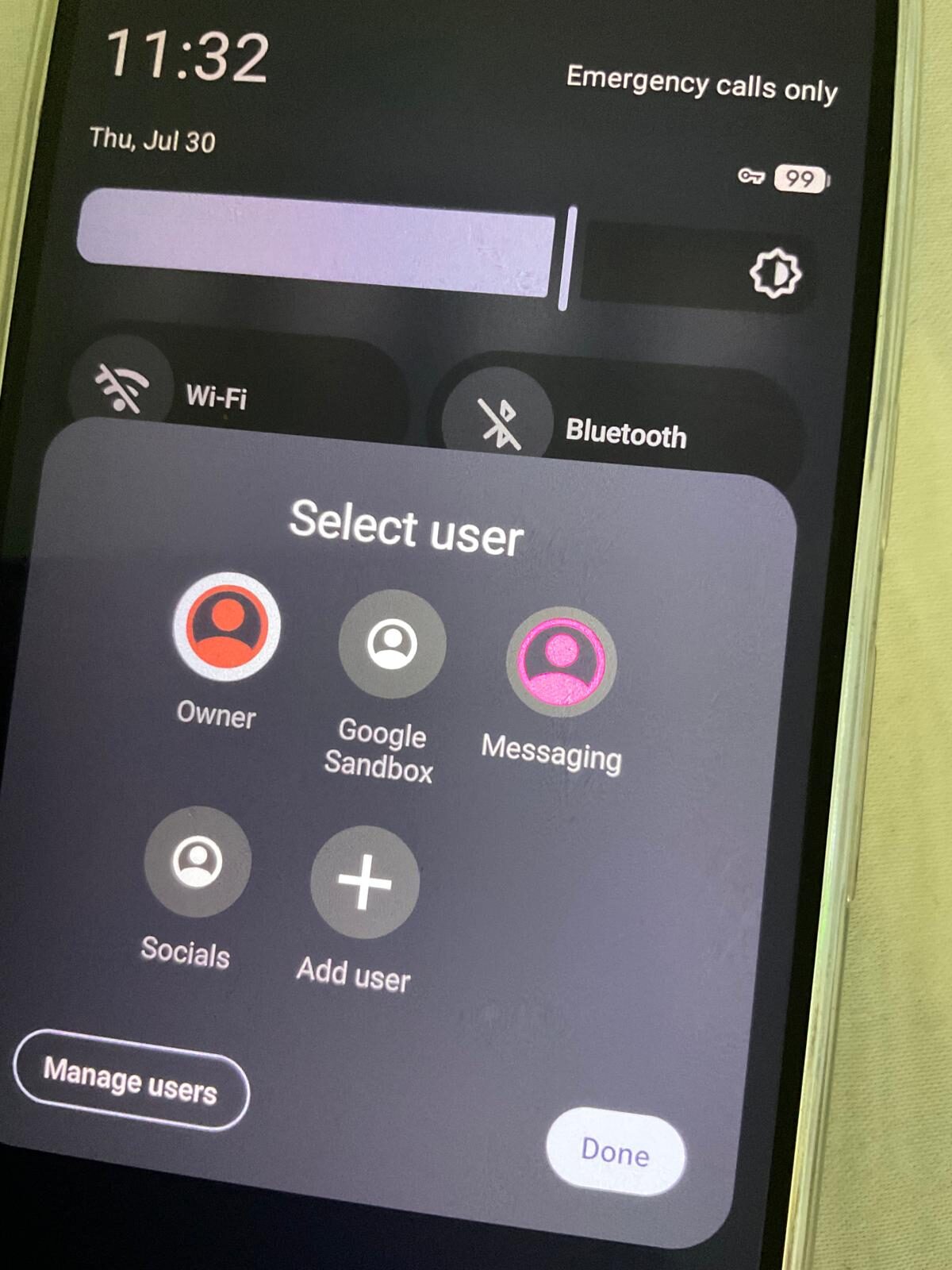
Consultation should lead to a practical configuration: profiles, communication stack, travel posture and support matched to the risk.
Why a phone alone isn't always enough
A hardened phone solves the device layer of the privacy problem. It does not solve the account layer (what's tied to your old identity), the behavioural layer (what your current habits leak), the social layer (which contacts know what about you), or the legal layer (what an opposing party can compel through a court). For most of our customers buying a phone is sufficient — for some, it's the start of a wider conversation.
The consultation service exists for that wider conversation. Customers who book it tend to fall into one of five patterns: (1) corporate fleet rollouts where the question is which staff get hardened devices and how to onboard them, (2) journalists planning source-protection protocols around specific reporting projects, (3) legal teams handling regulated data who need a written brief for compliance review, (4) domestic-violence escape cases where the situation is too sensitive to map over standard email, and (5) high-net-worth individuals who are aware they are an attractive target and want the full picture mapped before investing in tooling.
What we cover in a typical engagement
Threat-model mapping
Concrete: who, with what capabilities, motivated by what, has access to what against you. We don't sell against vague "Big Tech is watching" — we map your specific adversaries.
Device audit
Current phone, current laptop, current accounts. What leaks now, what's recoverable from your existing footprint, what to retire and what to harden.
Account hygiene
Email separation, password manager, hardware key adoption, recovery-flow review. The thing that gets most people compromised is account recovery, not the device itself.
Comms protocol
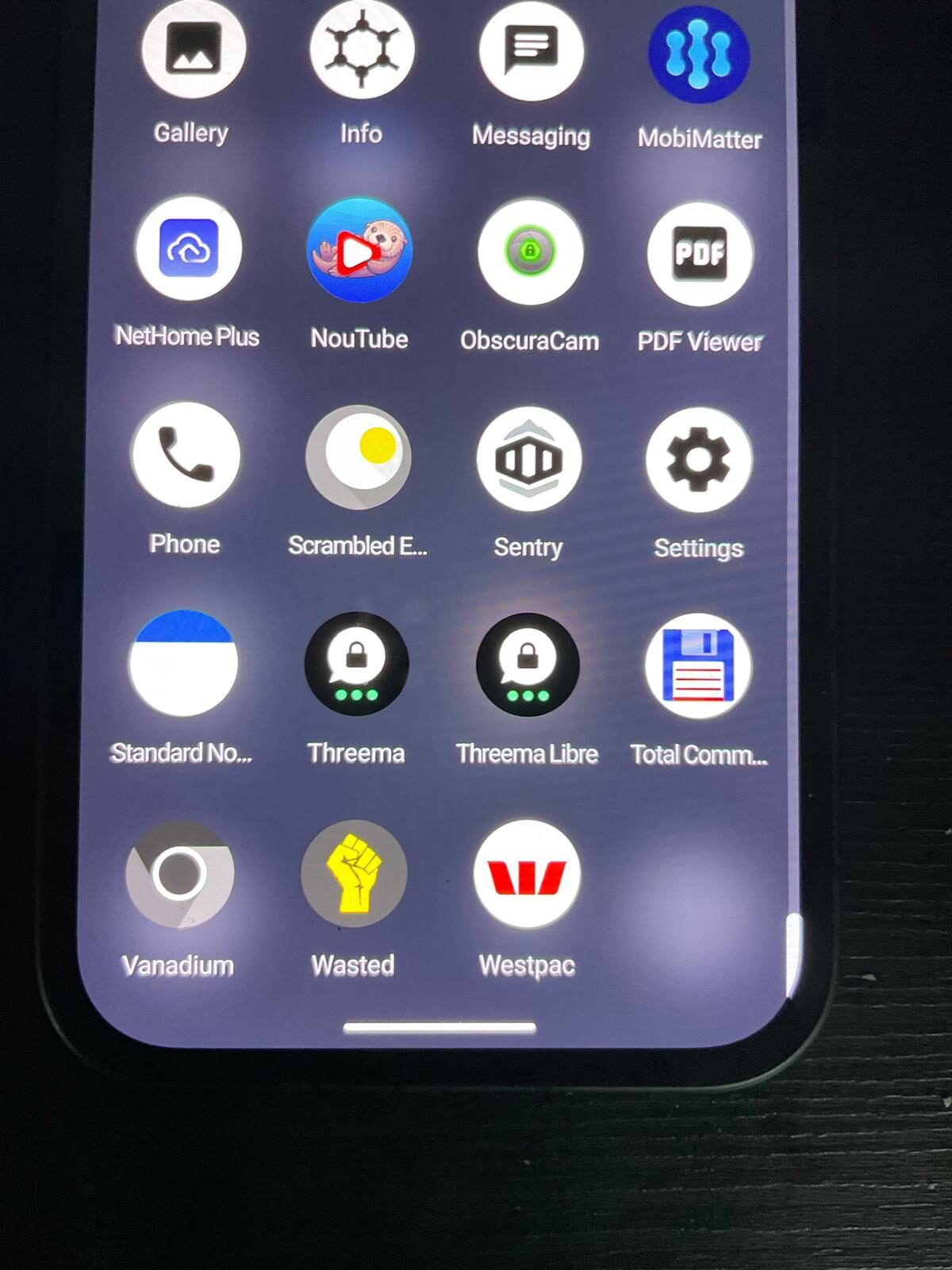
Which messenger for which contact category. When to use Threema vs Signal. How to onboard contacts who don't already use either. Burner-number protocols for source meetings.
Travel discipline
Border-crossing checklist, decoy profile setup, in-flight Faraday-bag use, hotel-Wi-Fi rules. Specific to Australian and the regions you actually travel to.
Written action plan
You leave with a numbered list of changes to make over 7, 30, and 90 days. For corporate engagements, a brief suitable for distribution to your team.
Who this is genuinely useful for
- Travelling executives who cross AU borders 3+ times a year with confidential material.
- Journalists with source-protection obligations under MEAA Code of Ethics or equivalent.
- Legal teams handling regulated data (financial, medical, family-law) who need a documented operational-security review.
- Domestic-violence survivors with active perpetrators, often referred by support workers.
- Security teams at organisations rolling out hardened phones to staff, who need an onboarding briefing for the rollout.
- High-net-worth individuals aware that their financial profile attracts targeted social-engineering, SIM-swap, and phishing.
If you're privacy-curious but your threat model is "Big Tech is creepy and I don't like it" — buy a phone, read our guide library, you don't need a paid consultation. The service exists where the threat is specific enough that a generic guide is not the right answer.
Request a consultation
Brief us with a few sentences on your situation. We will respond with scope and pricing within 24 hours, or refer you to free resources if a paid consultation is not the right fit for you.
Get in touch → Browse PhonesFrequently asked
Who is privacy consultation actually for?
Australians whose threat model is concrete enough that a hardened phone alone is not sufficient. Travelling executives, journalists, legal teams, survivors, security-team operators, high-net-worth individuals.
What does a consultation include?
60–90 minute briefing, threat-model mapping, device audit, action plan. Corporate engagements include a written brief and 30-day follow-up.
Is it included with a phone purchase?
A 30-minute setup briefing is included with every phone. The full consultation is a separate engagement.
How is this different from a cybersecurity audit?
Cybersecurity audits focus on enterprise infrastructure. We focus on individual/small-team operational security — the human-side complement.
Remote or in-person?
Both. Most run on Threema or Signal. In-person briefings available across Australia for corporate and survivor cases.
How is it priced?
From $250 AUD for individuals; corporate and survivor-case engagements quoted on specifics. Brief us via the contact form.