A Faraday bag in Australia takes a phone off the network physically — not just by trusting software.
A Faraday bag blocks every radio signal in and out of any device sealed inside it — cellular, Wi-Fi, Bluetooth, GPS, NFC, RFID. It is the only fully-trustworthy "off" state for a phone or car key. We stock a dual-layer Faraday phone pouch — $65 for a set of two, and every pouch is signal-tested against live AU 4G/5G, Wi-Fi, Bluetooth, GPS and NFC before it ships.
The kit is the product.
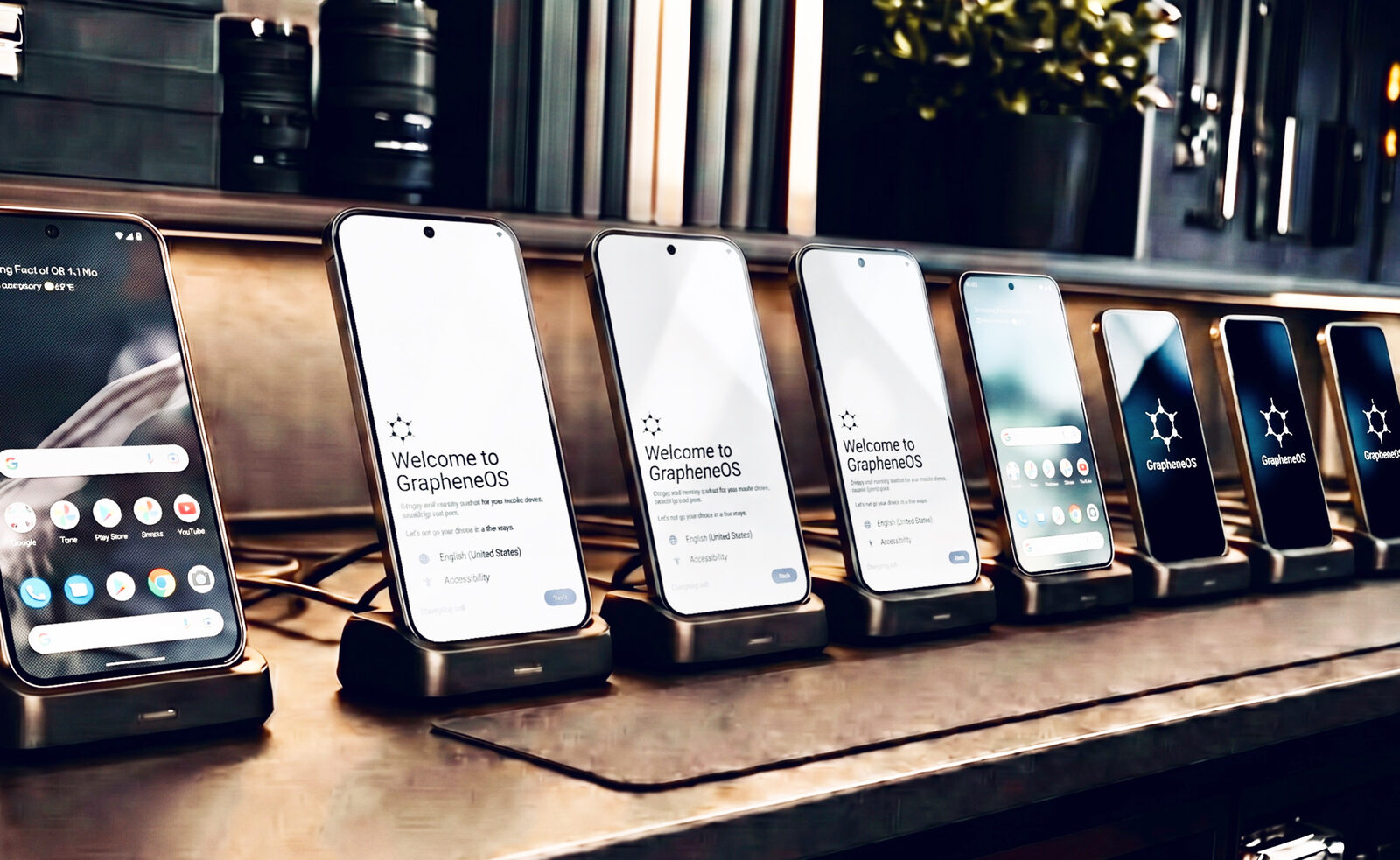
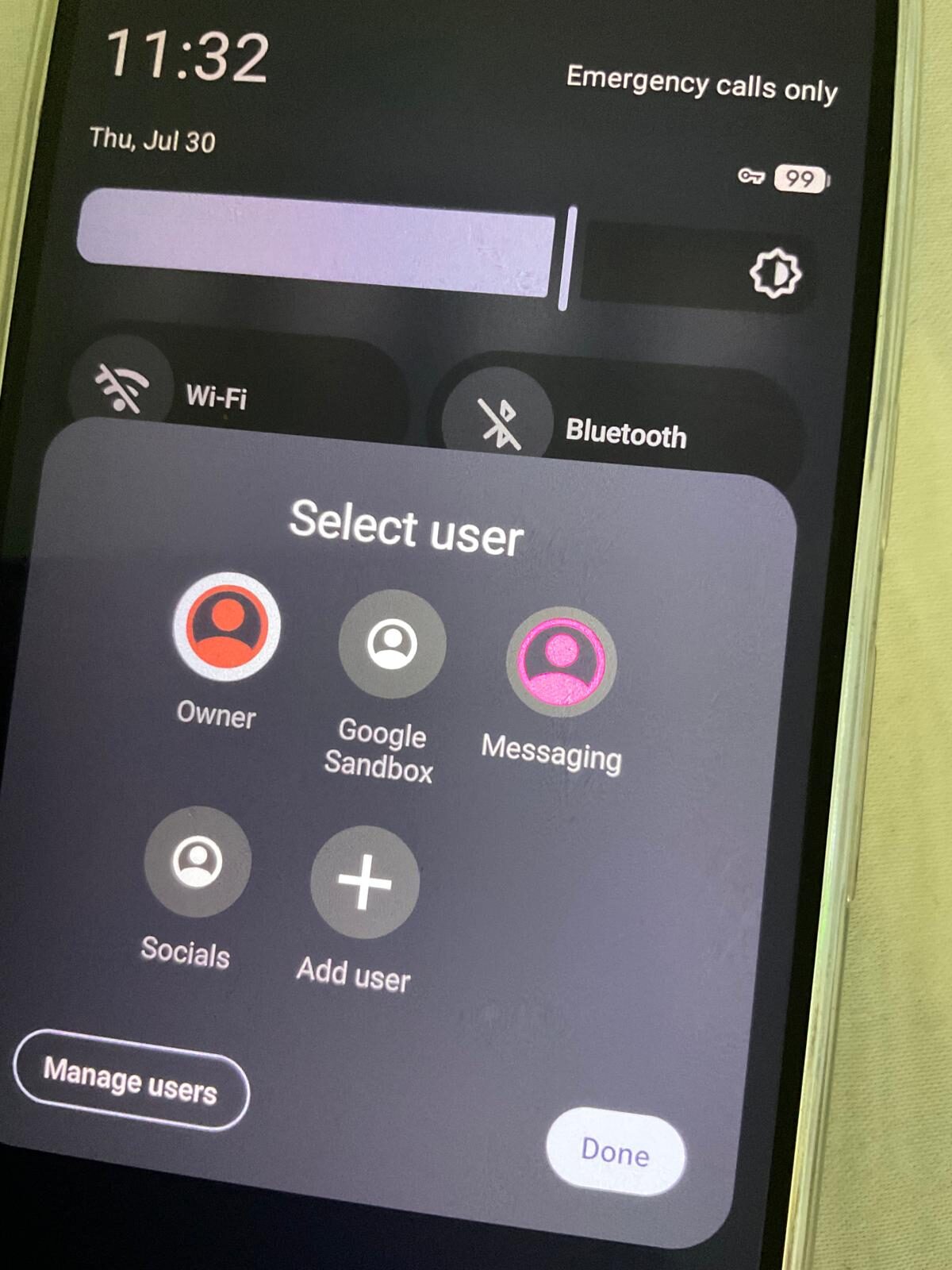
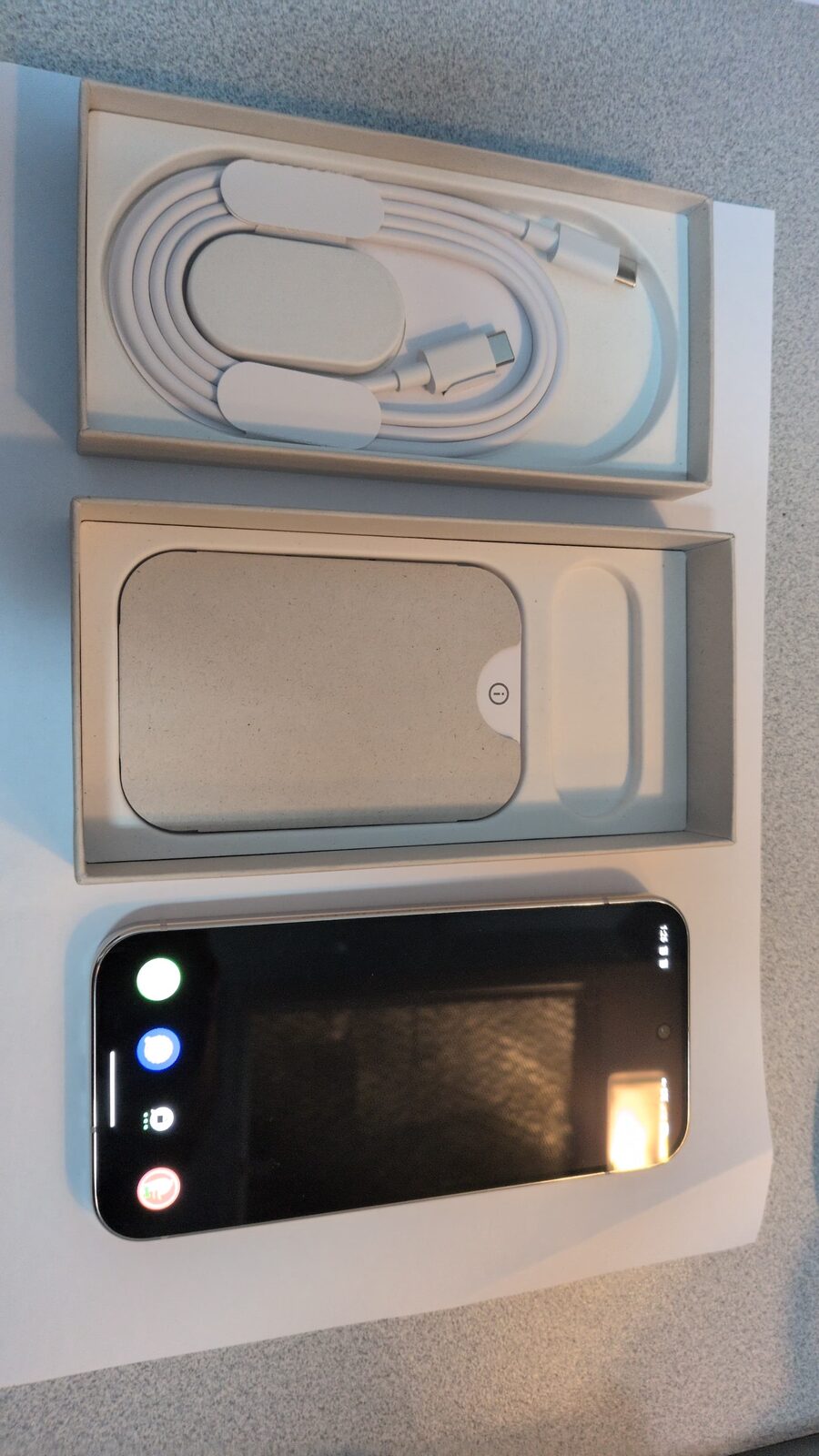
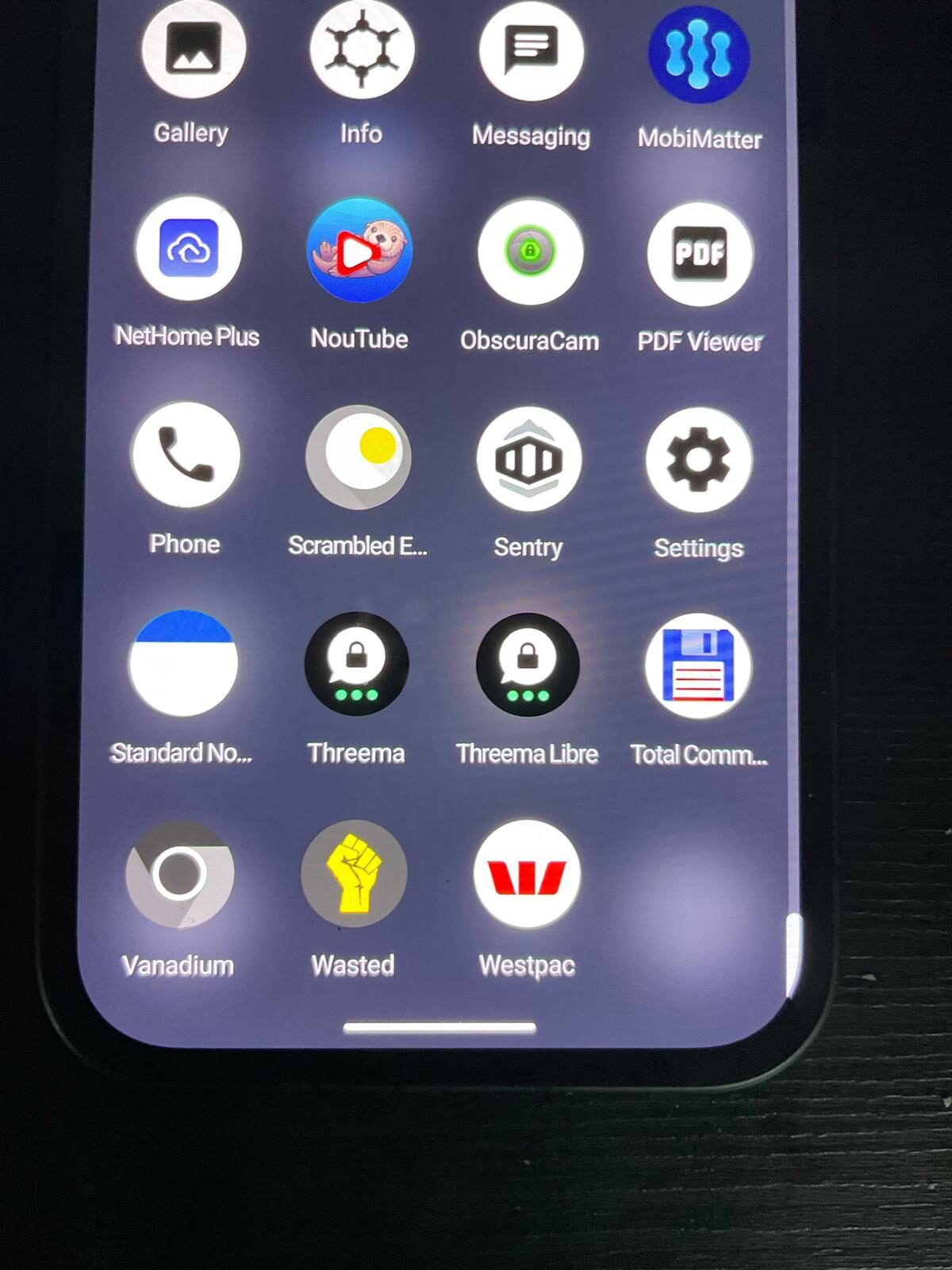
A privacy bundle should look like one prepared setup: phone, pouch, apps, service layer and checks working together instead of loose add-ons.
Why a faraday bag beats software "off"
A modern smartphone has half a dozen separate radios — cellular baseband, Wi-Fi, Bluetooth, GPS, NFC, ultra-wideband — and an operating system that decides which ones run. When you tap "airplane mode", you are sending a request to that operating system. On a healthy device, the request is honoured. On a compromised device — one with mobile spyware, an exploited supply chain, or a state-level implant — the request can be quietly ignored. The radios stay on. The phone keeps reporting in.
A Faraday bag bypasses the whole problem by working at the physics layer. The metalised mesh in the bag's lining attenuates radio-frequency signals enough that the radios cannot communicate, regardless of whether they're trying. It works on a phone that is on. It works on a phone that has been compromised. It works on a phone that is off. It works on a laptop, a passport with embedded RFID, or a car key fob.
That makes it the only physically-trustworthy "network silent" state. For some scenarios, that's overkill. For others — source meetings, border crossings, sensitive negotiations — it's the only option that holds up under threat-model scrutiny.
Common Australian use cases
Journalists meeting sources
Phone in the bag for the duration. No cellular ping records correlating your two devices. No location data in either platform's logs. The meeting is invisible to the network.
Executives at the border
Passport, phone, and any RFID-equipped credentials in the bag while crossing. No skim-readable identity data, no while-questioned tracking. Take it out only when you've cleared the inspection area.
Legal teams handling confidential matter
All client devices in transit travel inside Faraday sleeves. Chain-of-custody is maintained because the device is provably offline from collection to examination.
Car key relay-attack defence
Modern keyless-entry car key fobs are vulnerable to relay attacks where thieves capture and re-broadcast the signal. A small RFID-blocking pouch on the entry table eliminates the attack vector entirely.
Sensitive meetings
Phone goes in the bag, on the table, in front of everyone. Visible commitment to no recording, no remote-mic activation, no compromise of the conversation.
Travel sleep
Phone in the bag overnight in unfamiliar locations. No while-asleep network activity. No persistent connection to whatever Wi-Fi the hotel runs.
What we test before dispatch
A bag that "kind of" blocks signals is worse than no bag at all because it gives false confidence. Every Faraday product we ship is tested against:
- Cellular: 4G/5G AU bands. Phone inside, send-call test from outside. Must fail to connect.
- Wi-Fi: 2.4GHz and 5GHz. Phone inside, must drop the AP within 5 seconds of seal.
- Bluetooth: Pair on outside, seal, must drop. Pair attempt while sealed must fail.
- GPS: Sealed, must lose lock within 30 seconds.
- NFC: Sealed, RFID skim attempts must fail.
If any of those checks fail, the bag does not ship. We do not stock products that pass three out of five — RF-blocking is binary, and partial failure is a liability.
Faraday pouch, box or cage — what actually suits car keys?
Keyless-entry relay theft works by amplifying the signal from a key fob inside your home to a thief standing at your car. Any properly shielded enclosure defeats it — the differences are practicality, not physics.
Faraday pouch
Flexible, portable, fits a fob and a phone. Best for travel and everyday carry. Our twin-pack means one at the door for keys and one in the bag for the phone.
Faraday box
Rigid desktop enclosure for the hallway table. Convenient at home, useless in a pocket. Works exactly as well as a sealed pouch — no better.
Faraday cage
Room-scale shielding used in labs and forensics. Nobody needs one for car keys — a $65 pouch pair blocks the same signals for the fob use case.
Whichever form you choose, test it: seal the fob, stand at the car, pull the door handle. If it opens, the enclosure leaks. Ours ship only after failing to connect on live AU cellular, Wi-Fi, Bluetooth, GPS and NFC checks.
Faraday Phone Pouch — $65, set of two
Dual-layer shielding fabric sized for phones and key fobs. Signal-tested before dispatch; accessory-only orders ship within 1–3 business days with a 12-month warranty.
View Signal-Blocking Pouch → Browse PhonesFrequently asked
What does a Faraday bag actually do?
A Faraday bag is a metalised fabric pouch that blocks all radio-frequency signals from reaching or leaving a device sealed inside it. Cellular, Wi-Fi, Bluetooth, GPS, NFC, and RFID are all stopped.
When would I use one?
Source meetings, border crossings, confidential meetings, key-fob storage, travel sleep, and forensic chain-of-custody — any scenario where you need a physically-provable "off the network" state.
Do they work for laptops too?
Yes. Laptop-sized Faraday sleeves block the same signal range and are commonly used by Australian legal and security teams for high-value device transport.
How is a Faraday bag different from airplane mode?
Software airplane mode is a request to the OS — on a compromised device it can be ignored. A Faraday bag is a physical RF-block; it works regardless of what software the device is running.
Can I make a call while phone is sealed?
No. Total RF isolation is the point. Calls and messages queue and deliver when removed.