A secure phone is not a stock Android
with a privacy wallpaper.
Our devices run GrapheneOS on relocked Pixel hardware, with encrypted messaging, Mullvad VPN, a 12-month global eSIM, and the owner-controlled Phantom Protocol™ — all configured and tested before dispatch from our Australian workshop.
Configured secure phones from $1,399 — built to order, shipped tracked Australia-wide.

Choose a hardened Pixel ready for daily use.
Live store products, configured and tested before dispatch with the security stack already in place.
- GrapheneOS on relocked Pixel hardware
- Phantom Protocol™ owner controls armed
- Direct path from ad click to product page
A secure phone replaces the stock operating system with a hardened platform and preserves a verifiable boot chain. Privacy Devices builds and configures each phone before dispatch: GrapheneOS installed and relocked, Mullvad VPN, a 12-month global eSIM, a paid Threema identity, and the owner-controlled Phantom Protocol™ layer — armed and tested, not left for you to set up. Configuration and testing take 1–2 business days before tracked dispatch. Every device includes a 12-month warranty and a 14-day money-back guarantee — browse current models and live pricing.
What actually makes a phone secure
Most phones sold as "secure" are stock Android with a tweaked launcher. Ours is built differently: verified boot relocked, a hardened operating system, paid encrypted-comms licences, and an owner-controlled duress layer — every device configured and tested before it leaves our Australian workshop. Three layers underneath:
1. Operating system
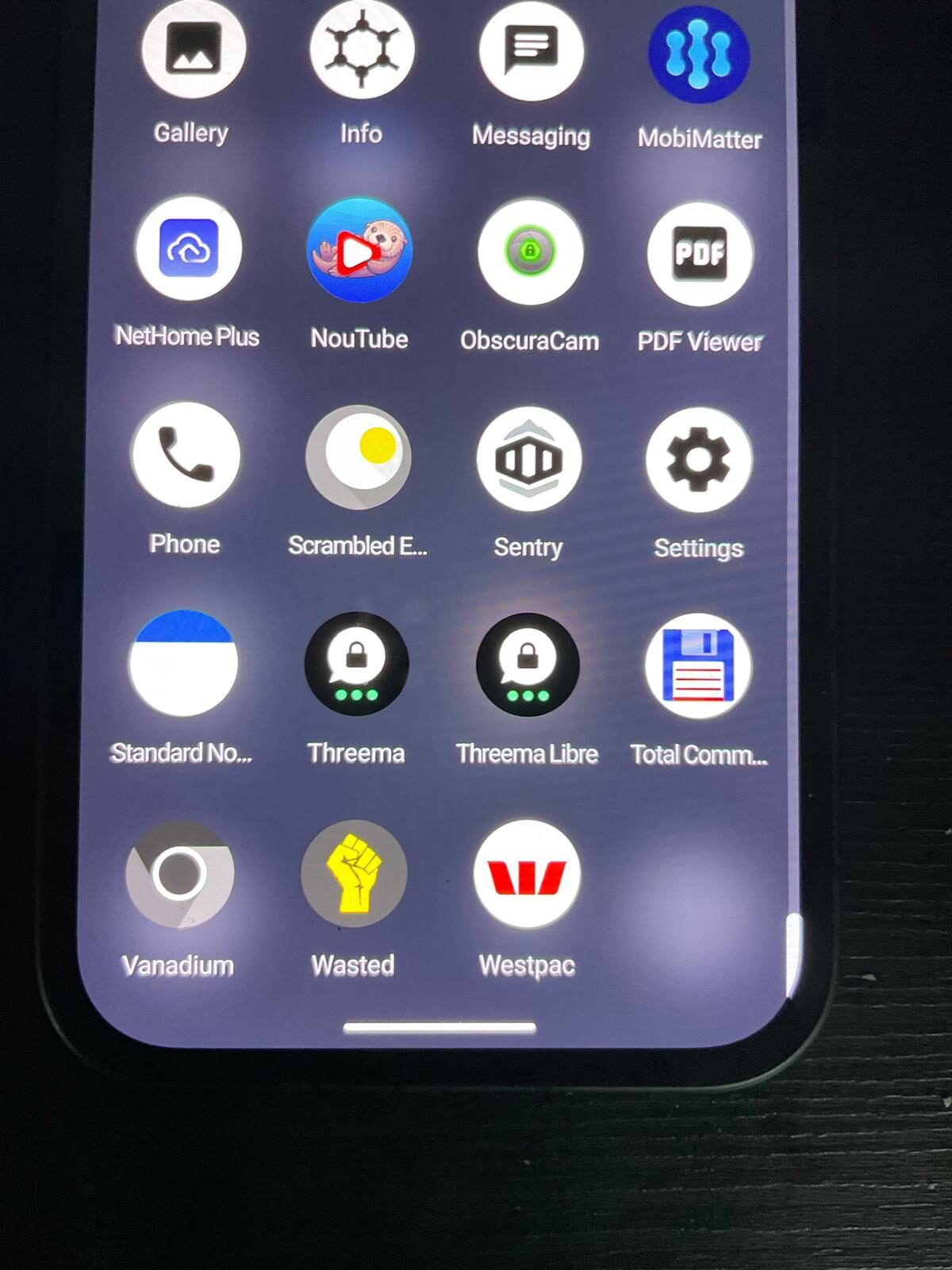
GrapheneOS replaces every Google service. Hardened kernel. Sandboxed Play (if you want it). Memory-safe allocators. The OS itself stops exploits that stock Android can't.
2. Boot integrity
Verified boot relocked against GrapheneOS signing keys. A swap between devices is detectable. A tampered boot chain doesn't run.
3. Owner control
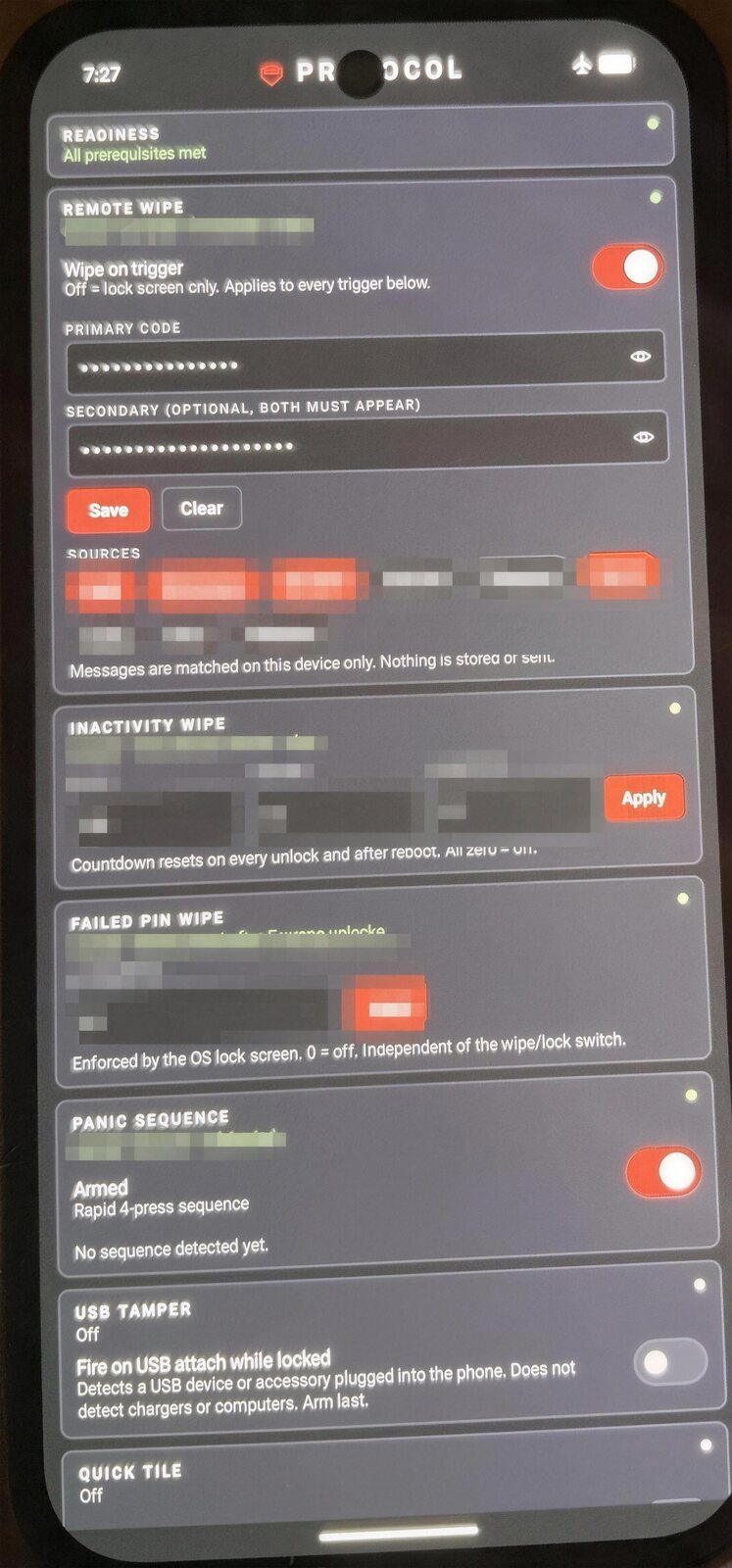
Phantom Protocol — remote erase, duress PIN, decoy profiles, rapid lockdown. No cloud account. No admin console. Only you.

What you get in the box
One fully configured device. A 12-month Mullvad VPN license. A 12-month global eSIM good in 170+ countries. A paid Threema identity. Phantom Protocol armed with your chosen duress behaviour. Local AU SIM support configured. A 14-day money-back guarantee and 12-month hardware warranty.
See the full secure phone lineup or ask us directly on WhatsApp.


What "secure" actually requires — at every layer
Most "secure" phones sold in Australia rely on a single layer: an encrypted messaging app, or a VPN, or a tweaked launcher. Single-layer security is not real security. A device that is genuinely hard to monitor, intercept, or compromise needs four layers stacked together.
Hardware
The Google Pixel 8 onwards ships with the Titan M2 security chip — a dedicated secure element that handles cryptographic operations, biometric matching, and key storage in a separate die from the main processor. Pixel hardware is also the only widely-available Android device whose secure boot can be relocked against a third-party operating system. Without that hardware foundation, no operating system layer can guarantee integrity. We exclusively ship Pixel.
Operating system
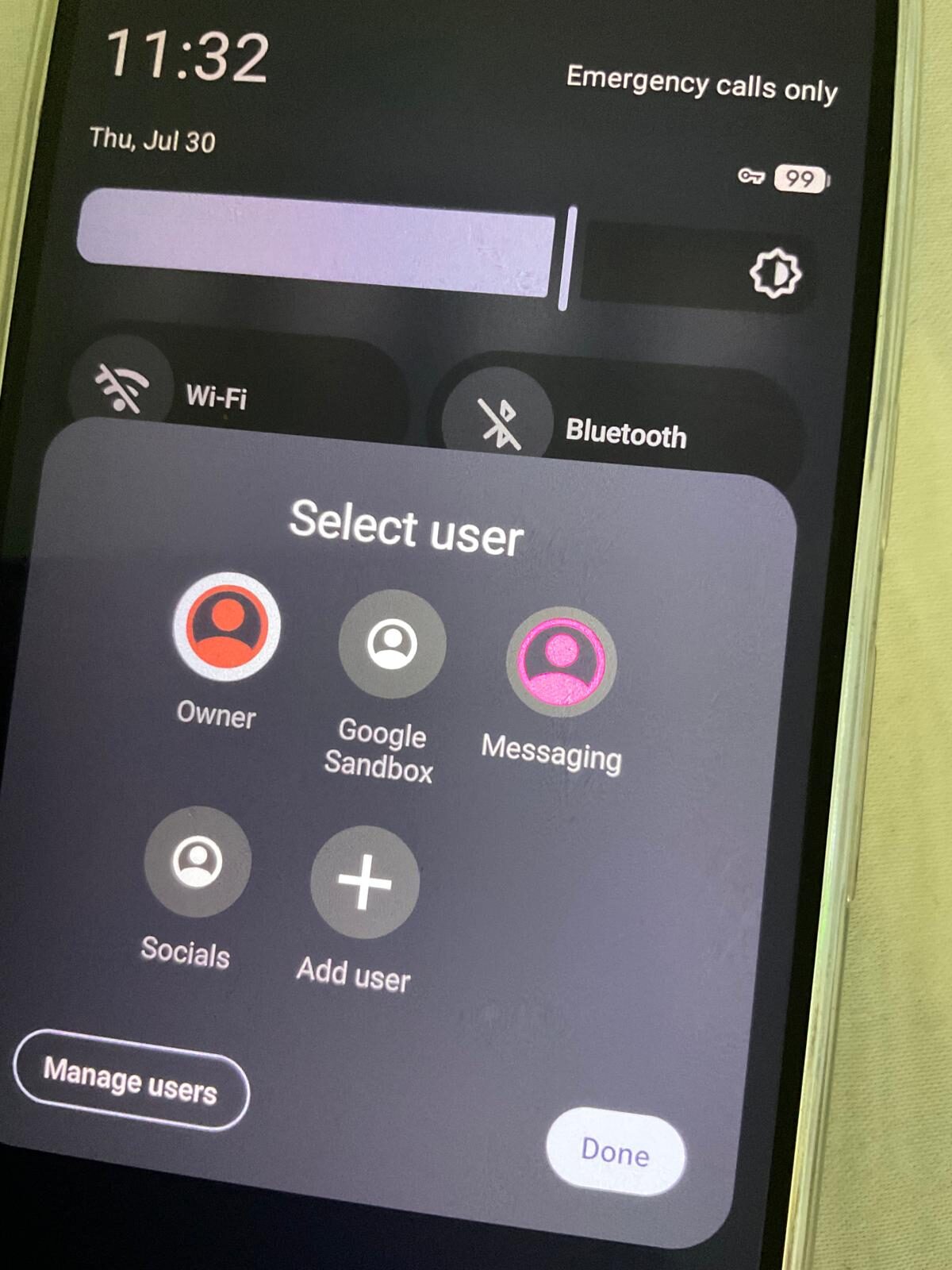
GrapheneOS replaces stock Android entirely. Google services are not present. The kernel runs hardened malloc, hardened C runtime, restricted syscall surface, and on Pixel 8 and later — Memory Tagging Extensions (MTE) at the hardware level. Publicly-known mobile zero-days targeting stock Android routinely fail against GrapheneOS because the exploit primitives they rely on no longer exist. The OS also enables per-app network and sensor toggles, multiple isolated user profiles, and a sandboxed Google Play option for the few apps you can't replace.
Network
Cellular networks know which tower your device connects to. That is unavoidable at the radio layer. What is avoidable is everything above the radio layer: DNS leaks, IP-based tracking, ISP-level deep packet inspection, and the ad/analytics SDKs in the apps you use. Every device we ship has Mullvad VPN configured with WireGuard, kill-switch enabled, and the connection forced through it. The included global eSIM provides a separation between your existing carrier identity and the device's network identity — useful for travel, source meetings, and any scenario where number-to-device correlation is a risk.
Operator (you)
The user is the weakest layer in any threat model. A hardened device used carelessly is no harder to compromise than a stock device used carefully. We pair every phone purchase with a written threat-model briefing and an optional 30-minute setup call, so you understand which behaviours your device protects against and which behaviours it does not. Our guide library covers profile separation, app discipline, network habits, border-crossing protocols, and duress drills.
How a secure phone differs from a "regular" phone
Stock iPhone or Android
Closed-source firmware. Mandatory cloud account. Telemetry on by default. Per-app permissions are coarse. No verified-boot-relocked custom OS option. Banking apps work; everything you do is observable to the OS vendor.
"Privacy phone" (branded skin)
Stock Android with a custom launcher and a few removed Google apps. The kernel is unchanged. Verified boot is unchanged. Telemetry is rerouted, not removed. Marketing language; not actual hardening.
LineageOS / CalyxOS / etc.
Genuine de-Googled Android forks, but verified boot remains unlocked — meaning a physical-access adversary can flash anything they like onto the device. CalyxOS uses microG (a Google-services emulator). Suitable for casual privacy, not for hostile environments.
GrapheneOS Pixel (us)
Hardened OS, verified boot relocked, hardened userspace, MTE on Pixel 8+, encrypted comms preconfigured, network-layer tunnel, owner-controlled duress and remote-wipe layer. The full stack, configured before the device leaves our workshop.
Real-world scenarios this phone handles
You are a journalist meeting a source. Your stock phone leaks your location to Apple/Google in the background, your apps phone-home over carrier network, and the metadata of who you texted is recoverable from your phone bill. Our device runs every connection through Mullvad, the messaging app stores nothing recoverable, and Phantom Protocol's duress PIN gives you a clean wipe path if questioned.
You are an executive crossing the AU border. Australian Border Force can compel device unlock under the Migration Act 1958 sec.252. The auto-reboot setting on our devices ensures that after a configurable idle period the phone returns to a "before-first-unlock" state — at which point even the device manufacturer cannot extract content. Decoy profiles let you hand over an unlock PIN that opens a clean profile, not your real one.
You are a domestic-violence survivor. Your stock phone is likely paired with cloud accounts the perpetrator may know. Our setup process erases that linkage entirely — new identity, new eSIM, new device with no recovery path. See the DV-safe phone page for the full protocol.
You are an activist or organiser. Targeted phone-tracking and IMSI-catcher surveillance is a real concern. The combination of Mullvad VPN + a private global eSIM + GrapheneOS profile separation makes you substantially harder to monitor than your peers using stock devices.
How we configure your device before dispatch
Every device goes through the same configuration pipeline before it leaves us:
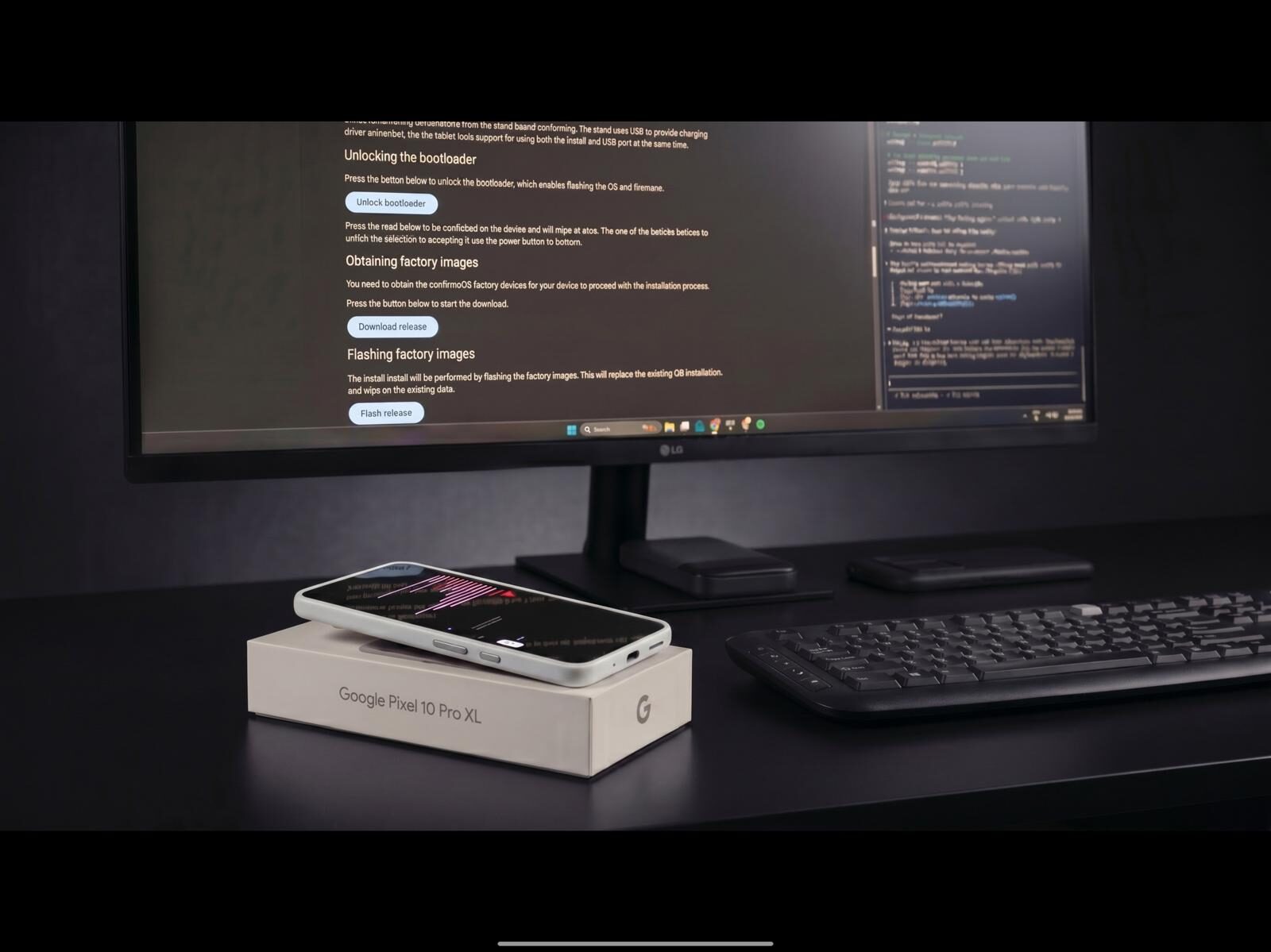
- Bootloader unlocked, GrapheneOS flashed against current monthly release, bootloader relocked against GrapheneOS keys.
- Verified boot tested, attestation verified.
- Owner profile minimised: VPN, system settings, and the bare-minimum utilities only.
- Work profile created and pre-loaded with sandboxed Google Play, Threema, banking apps if requested.
- Mullvad VPN paid for, configured, kill-switch on, always-on enabled.
- Threema identity provisioned with a paid licence.
- Global eSIM provisioned and tested on AU networks.
- Phantom Protocol armed with your chosen duress PIN, auto-reboot interval, and remote-wipe trigger.
- Final integrity check, packed in tamper-evident packaging, dispatched.
This is a 2–4 hour process per device done by us. Self-installing on a phone you bought from JB Hi-Fi can theoretically replicate it — most self-installs miss two or three of the steps above and ship a phone that calls home in subtle ways the user never sees.

Frequently asked questions
What is the most secure phone in Australia?
For most people, a Google Pixel running GrapheneOS is widely regarded as the most hardened consumer option available in Australia: Pixel hardware provides a dedicated security chip and verified boot, and GrapheneOS hardens the OS and strips Google services from the system image. No phone is unhackable - security depends on configuration and use. We configure and test each device before dispatch. Full breakdown: most secure phone Australia.
What does "secure phone" actually mean?
A secure phone replaces the operating system, not just the launcher. Ours run GrapheneOS — a hardened Android-based OS — with verified boot relocked, sandboxed Google Play, hardened memory allocator, and per-app network and sensor controls. A "secure phone" is not stock Android with a privacy wallpaper.
How is GrapheneOS more secure than iPhone or stock Android?
GrapheneOS is open-source and independently audited; iOS is closed-source and you cannot verify what it sends to Apple. GrapheneOS hardens the C library (hardened malloc), enables Memory Tagging Extensions on Pixel 8 and later, and ships exploit mitigations that exceed stock Android. Publicly-known mobile zero-days routinely fail against it.
Will banking and government apps still work?
Most do, via sandboxed Google Play in a separate profile. CommBank, ANZ, Westpac, NAB, ING, and Macquarie generally work. A small number of apps detect non-stock OS and refuse — message us with specifics before purchase if a particular app is critical.
What encryption is used?
AES-256 full-disk encryption with hardware-backed keys via the Pixel Titan M2 security chip. Threema and Signal provide end-to-end encryption at the app layer. Mullvad VPN provides WireGuard tunnel encryption at the network layer.
What happens if my device is lost or seized?
Phantom Protocol includes a duress PIN that triggers silent wipe on entry. Auto-reboot returns the device to a fully-encrypted "before-first-unlock" state after a configurable idle period — much harder to extract data from. Remote wipe is available via our owner-control layer.
How long does configuration take?
Each phone is configured and tested within 1–2 business days before tracked dispatch. Delivery time begins after dispatch.
Can I minimise payment data?
We accept Bitcoin and other supported cryptocurrencies in addition to card payment. Payment method does not remove delivery, carrier or legal record obligations. Message us before ordering for discreet handling.
Part of the Privacy Phone Australia guides
This page sits inside our wider Privacy Phone Australia hub. Also relevant: encrypted phone Australia for the four encryption layers in detail, and are encrypted phones legal in Australia? for the legal picture.
Configured before tracked dispatch
Each phone is configured and tested within 1–2 business days, then sealed and sent with tracking. Delivery time begins after dispatch.
Browse Devices → Talk to Us