An encrypted phone in Australia is more than a marketing label — it is a four-layer stack.
Every modern smartphone has hardware encryption enabled — that alone does not make it a hardened encrypted phone. A real encrypted phone setup needs all four layers: storage, network, application, and operational. Privacy Devices configures every order across all four before dispatch.
Configured privacy phones from $1,399 — built to order, shipped tracked Australia-wide.
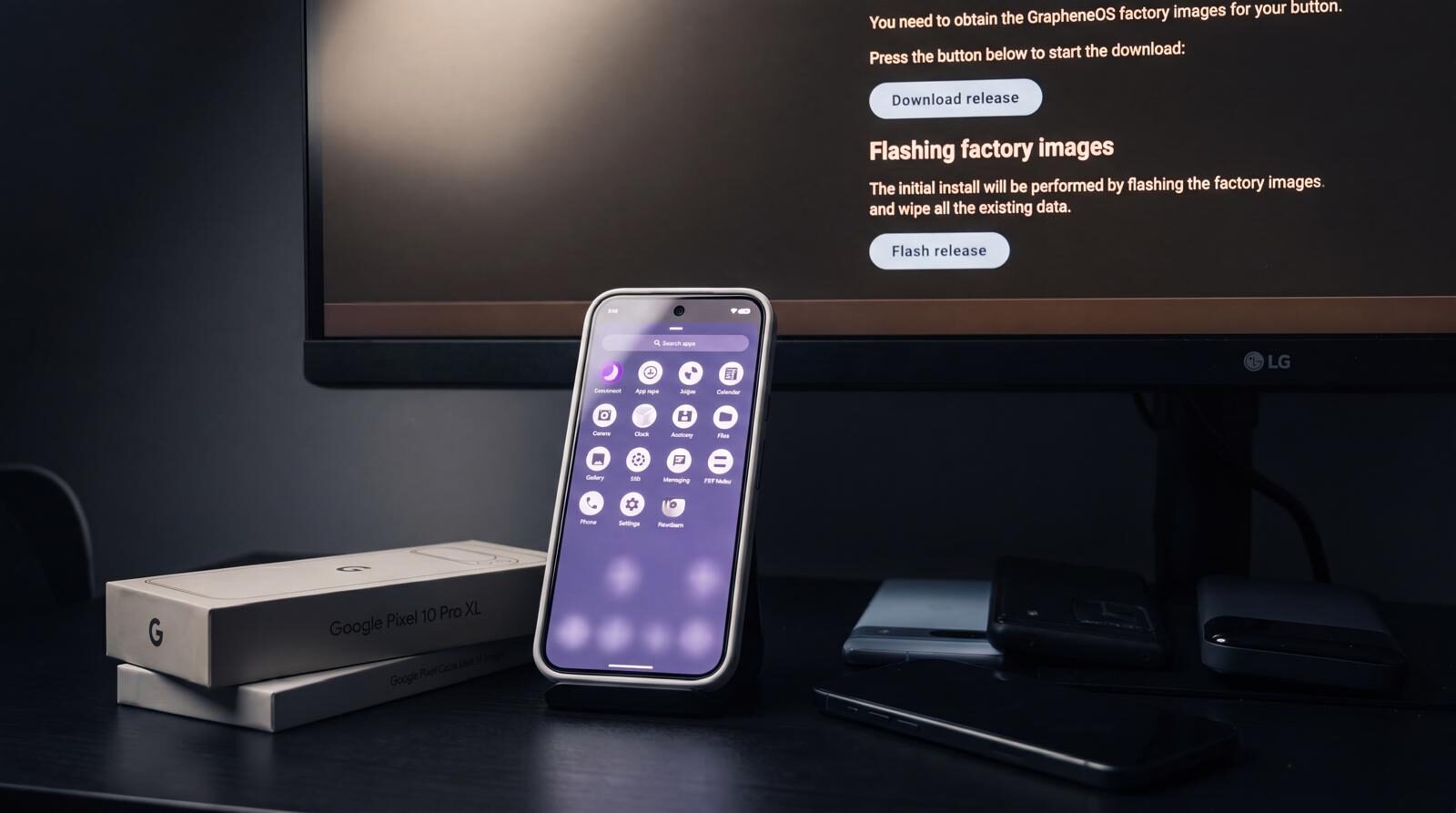
Prepared Pixel, visible proof.
A buyer guide should show the phone, the boot state and the setup work behind the recommendation — not just another block of specifications.
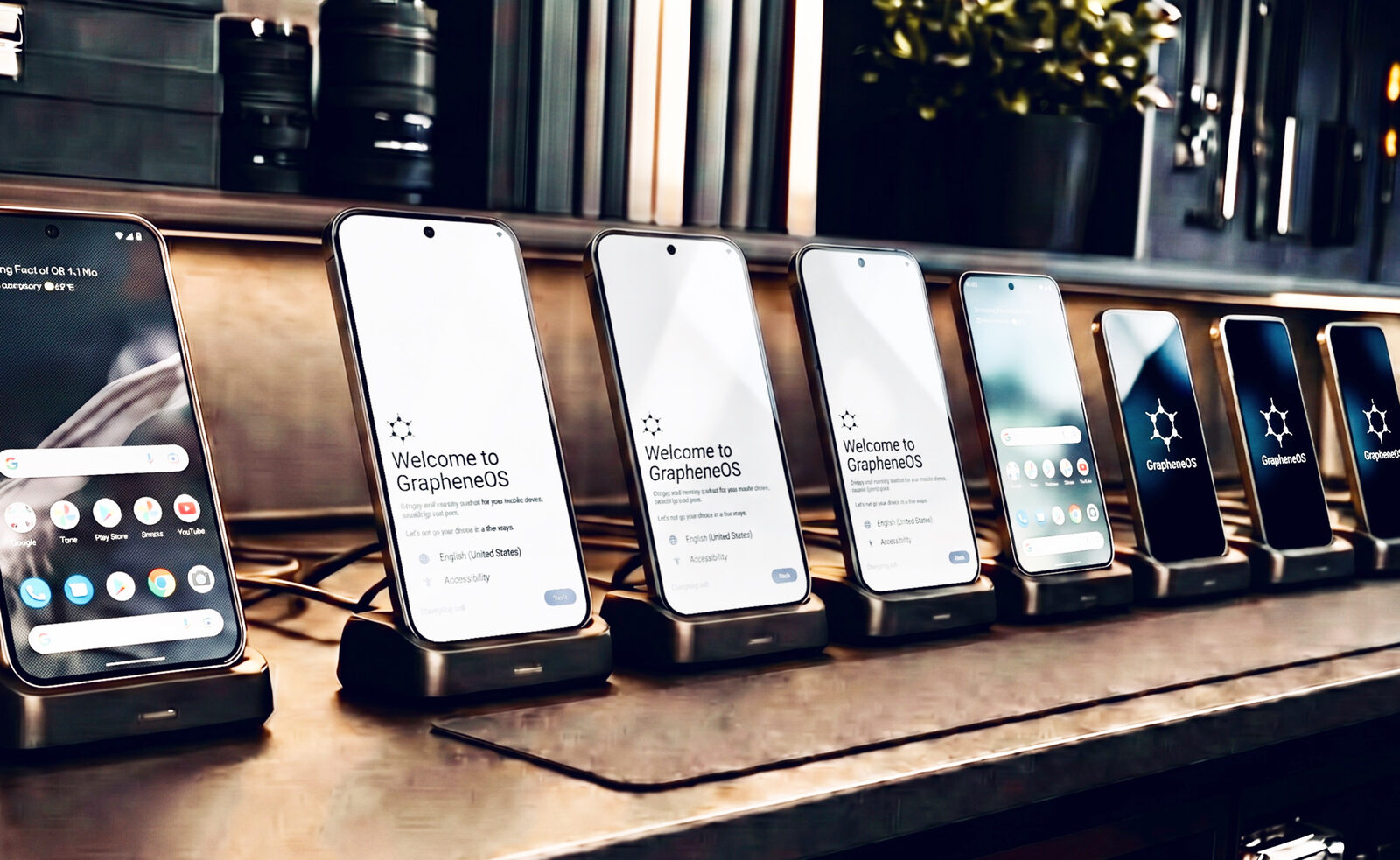
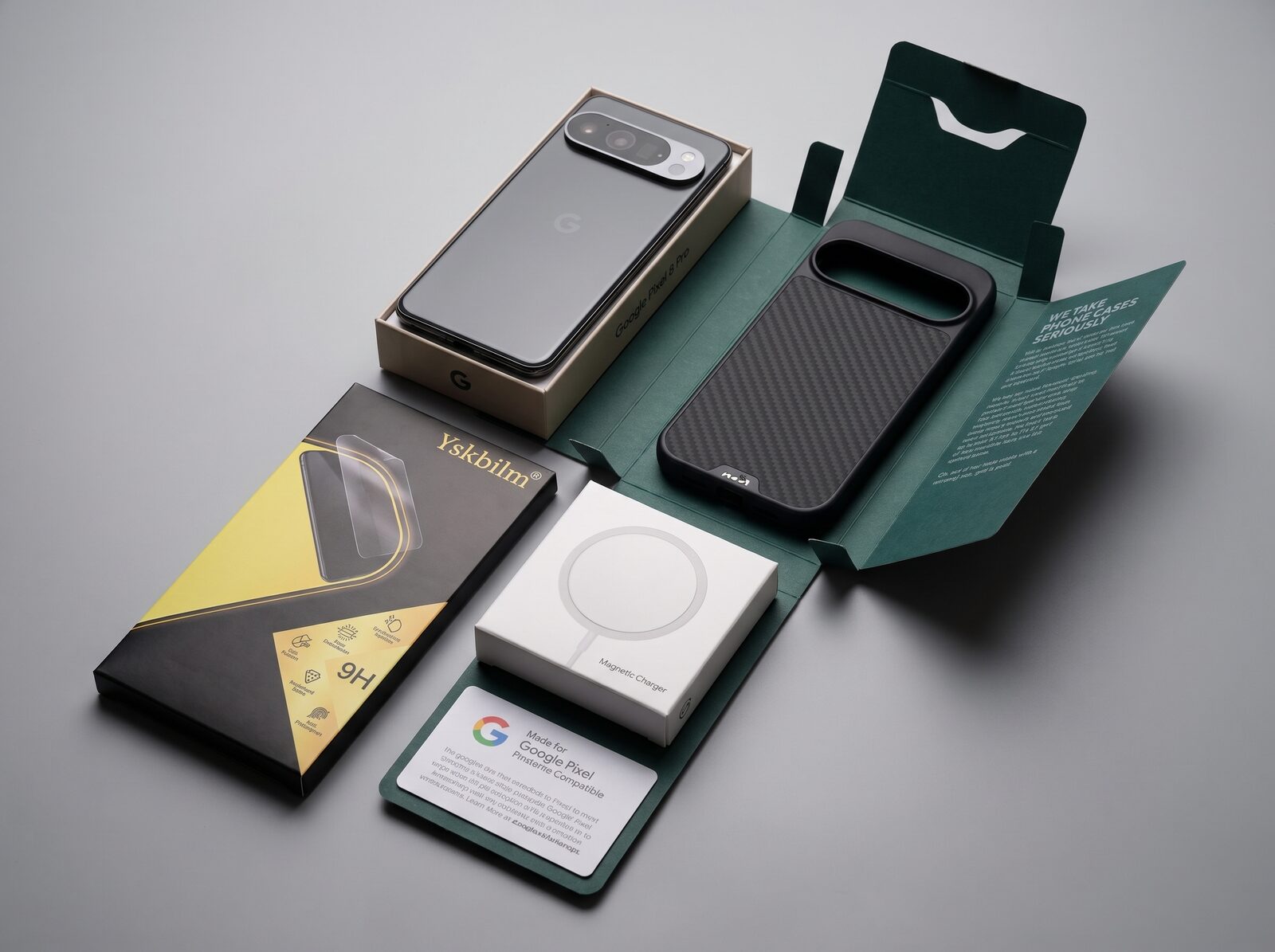
Pick the encrypted phone stack, not just the handset.
Each option below is a real purchasable Pixel configured across storage, network, app and operational layers.
- GrapheneOS hardening + verified boot relock
- Encrypted comms and VPN configured before dispatch
- 12-month support included
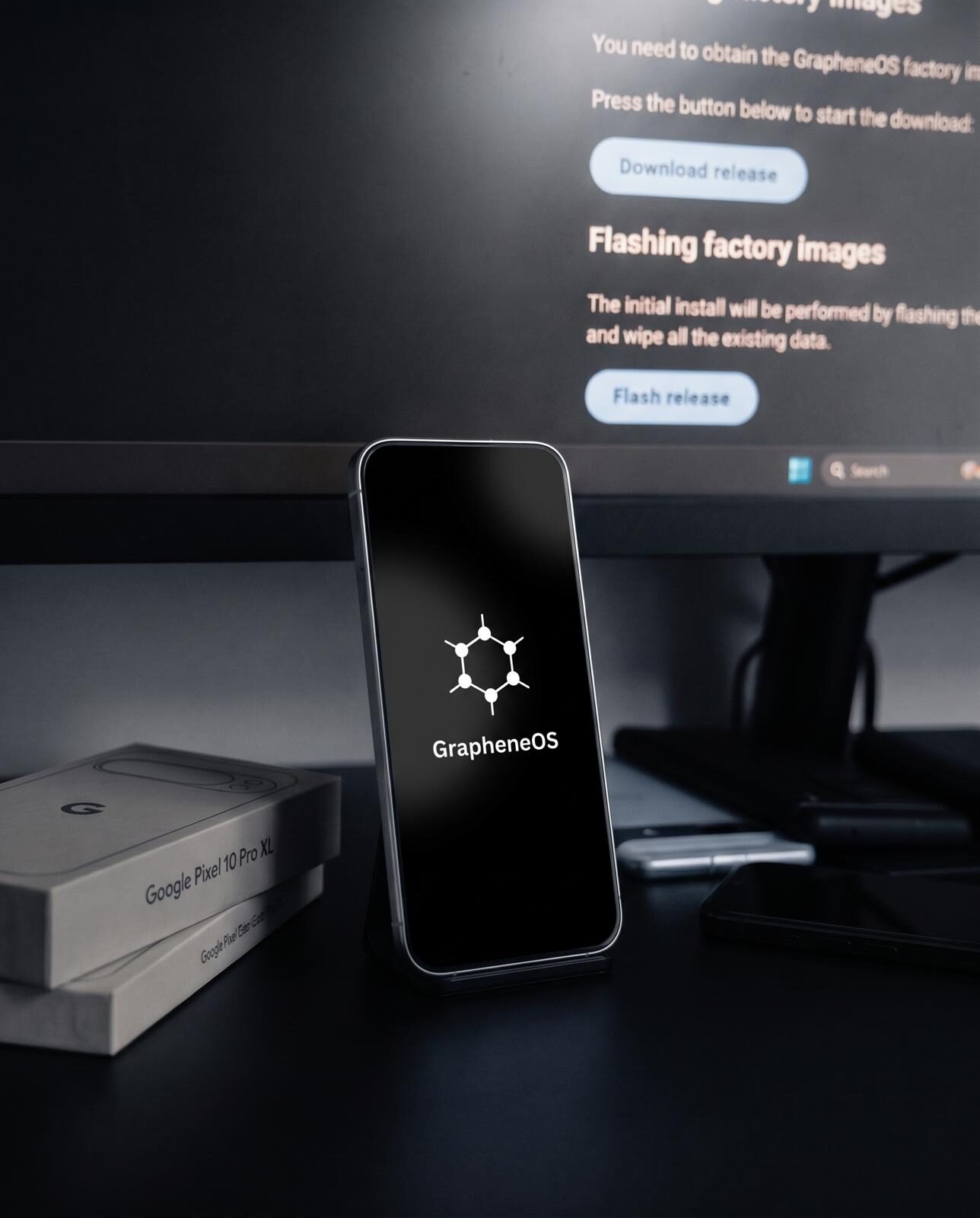
What is an encrypted phone? It is a phone where data at rest, network traffic, private messages and operational controls are configured together. Buying and using a personally-encrypted phone is legal in Australia for everyday privacy; the restricted category is a deliberately-built cipher-phone product for criminal misuse, not consumer encryption. See the full legal picture at encrypted phones legal in Australia.
What sets a genuinely private device apart
Encrypted at rest
Full-disk encryption with AES-256 and hardware-backed keys via the Pixel Titan M2 chip. No biometric bypass unless you choose it.
Encrypted in transit
Mullvad VPN always-on encrypts all network traffic. DNS-over-HTTPS. No cleartext leakage. No persistent IP identifier.
Encrypted communications
Threema pre-configured — no phone number required, no metadata stored. End-to-end encrypted voice, text, and files.
What most encrypted phones miss
Hardware encryption protects data if someone physically extracts the storage chip. It does not protect data in transit, against apps exfiltrating data over the network, or against a compromised OS sending data before encryption layers apply.
Our devices address all three layers with GrapheneOS, verified boot, always-on Mullvad VPN, sandboxed Play, and Threema for communications.
The Phantom Protocol™ layer
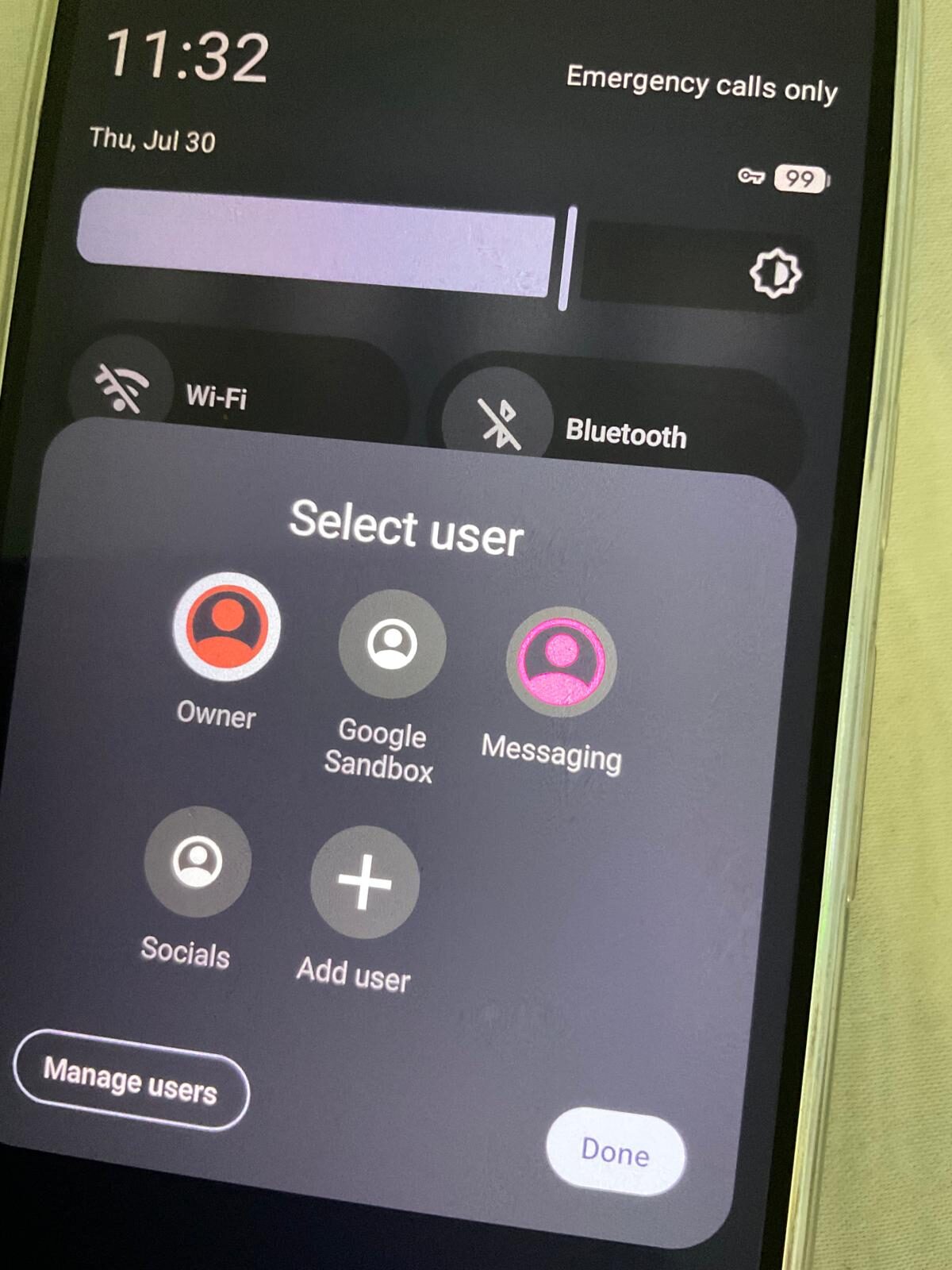
Beyond encryption, Phantom Protocol adds operational security. Duress PIN triggers silent wipe. Compartmentalised profiles keep work and personal operations separated. Remote wipe via trusted contact. The device is designed to behave safely under pressure, not just under normal conditions.
The four encryption layers, explained
"Encrypted phone" is a marketing phrase that sells a single feature — storage encryption — as if it solves the whole problem. It does not. A genuinely-encrypted phone has four distinct encryption layers, each guarding a different attack surface. Skip any one of them and the others can be bypassed.
Layer 1 — Storage (data at rest)
Pixel hardware enforces AES-256 file-based encryption — every file and its metadata encrypted — with keys protected by the Titan M2 secure element. The keys themselves are derived from your unlock secret and bound to hardware attestation. A device powered down (or auto-rebooted by Phantom Protocol) is in "before-first-unlock" state — at this point extraction is substantially harder for commercial forensic tooling; outcomes depend on device state and tooling. After first unlock the keys exist in volatile memory and the device is far more extractable. Auto-reboot after a configured idle period is therefore the single most important setting on an encrypted phone, and we ship every device with it enabled by default.
Layer 2 — Network (data in transit)
Encrypted disk does not stop your phone from quietly sending unencrypted DNS queries, IP-identifiable telemetry, or app analytics over your carrier connection. We ship every device with Mullvad VPN configured: WireGuard tunnel, kill-switch enabled, always-on enforced at the OS level. DNS-over-HTTPS routes all name resolution through the same tunnel. Without this layer, storage encryption is irrelevant to network surveillance.
Layer 3 — Application (end-to-end content)
Even an encrypted phone on a VPN still sends plaintext to the server of any non-E2E-encrypted app you use. SMS, regular calls, most email, and a long list of "secure" messaging apps with weak metadata properties. Our default messaging stack is Threema (no phone number, no metadata, paid identity), and Signal as a secondary option. Banking apps, government apps, and the rest run in a sandboxed Google Play profile separated from your main user.
Layer 4 — Operational (against compelled access)
Encryption that the holder is forced to unlock provides no protection. Phantom Protocol covers this. Duress PIN triggers silent wipe on entry. Decoy profiles let you present an unlock that opens a clean partition. Auto-reboot returns the device to before-first-unlock state on a timer. Remote-wipe via trusted contact closes off the lost-or-confiscated case. Encryption without operational controls is theatre.
How our encrypted phone compares to alternatives
Stock iPhone with iCloud
iMessage is end-to-end encrypted in transit. iCloud Backup, by default, gives Apple the keys to decrypt your messages on demand. Disable iCloud Backup and you lose recovery; keep it on and you have effectively no encryption against legal compulsion of Apple. Closed-source — you cannot verify what is sent.
Stock Pixel with Google Drive
Same problem in a different shape. Google holds backup keys by default. Google services run constantly in the background sending telemetry. Per-app permissions are coarser than GrapheneOS. The encryption that exists is real — but undermined by everything Google ships above it.
"Encrypted phone" services
Several brands sell "encrypted phones" that are stock Android with a custom messaging app and a routed VPN. The OS is unmodified. Verified boot is unchanged. The marketing leans heavily on the messaging app. This is layer-3 encryption only — layers 1, 2, and 4 are missing.
Privacy Devices encrypted Pixel
All four layers, configured before dispatch. Hardware-backed disk encryption. Always-on VPN. Threema E2E messaging. Phantom Protocol operational layer. Open-source operating system you can audit. Australian workshop, ABN 35 942 206 406.
What you can verify yourself
One advantage of GrapheneOS over closed-source platforms is that you can independently confirm the device is doing what we say it is. We provide a verification checklist with every order:
- GrapheneOS verified boot attestation passes — proves the boot chain is unbroken and the OS image is the official build.
- Mullvad VPN connection check — confirms WireGuard tunnel is active and DNS leaks resolve to Mullvad servers.
- Hardware attestation key — confirms Titan M2 is functional and hardware-backed encryption is online.
- App permission audit — every preinstalled app, what permissions it has, what network endpoints it can reach.
- Phantom Protocol arming check — duress PIN, auto-reboot interval, and remote-wipe trigger functional test.
We don't ask you to trust us. We give you the tools to verify.
Frequently asked questions
Is this more secure than iPhone?
Yes. iPhone limits what Apple collects but you cannot verify it. GrapheneOS is open-source and independently audited. There is no equivalent of Phantom Protocol on iOS.
What encryption standard is used?
AES-256 filesystem-based encryption (file-based encryption with metadata encryption), with keys hardware-protected by the Pixel Titan M2 security chip.
Can I make encrypted calls?
Yes. Threema supports end-to-end encrypted voice calls with no metadata stored.
Does VPN slow the phone?
Mullvad on a Pixel 10 adds negligible latency. Imperceptible for everyday use.
Do you ship internationally?
New Zealand shipping is available. Prices are shown in AUD, and the final courier cost is confirmed before dispatch. We are not offering worldwide shipping.
Are encrypted phones legal in Australia?
Yes. Encrypting your own phone for personal privacy is legal — banking apps, iMessage and WhatsApp all rely on encryption already. Some laws restrict dedicated "cipher phone" products built for organised-crime communication, which is a different category of device entirely. See our full breakdown at are encrypted phones legal in Australia?
Don't stress. Duress.
Encryption protects stored data, messages and network traffic in different ways; it does not make activity invisible. Configured and tested within 1–2 business days before tracked dispatch.
View All Devices → Talk to UsPart of the Privacy Phone Australia guides
This page sits inside our wider Privacy Phone Australia hub. If you are weighing the decision rather than the technology, three companion guides help: are encrypted phones legal in Australia? for the legal picture, executive secure phones for the leadership context, and prepared GrapheneOS vs DIY flashing for whether to buy prepared or build it yourself.