A de-Googled phone removes the surveillance built into stock Android.
Every standard Android device runs Google services by default — collecting location data, app usage, and behavioural patterns continuously. A de-Googled phone replaces the entire operating system. Not just the apps. The OS itself.
Configured privacy phones from $1,399 — built to order, shipped tracked Australia-wide.
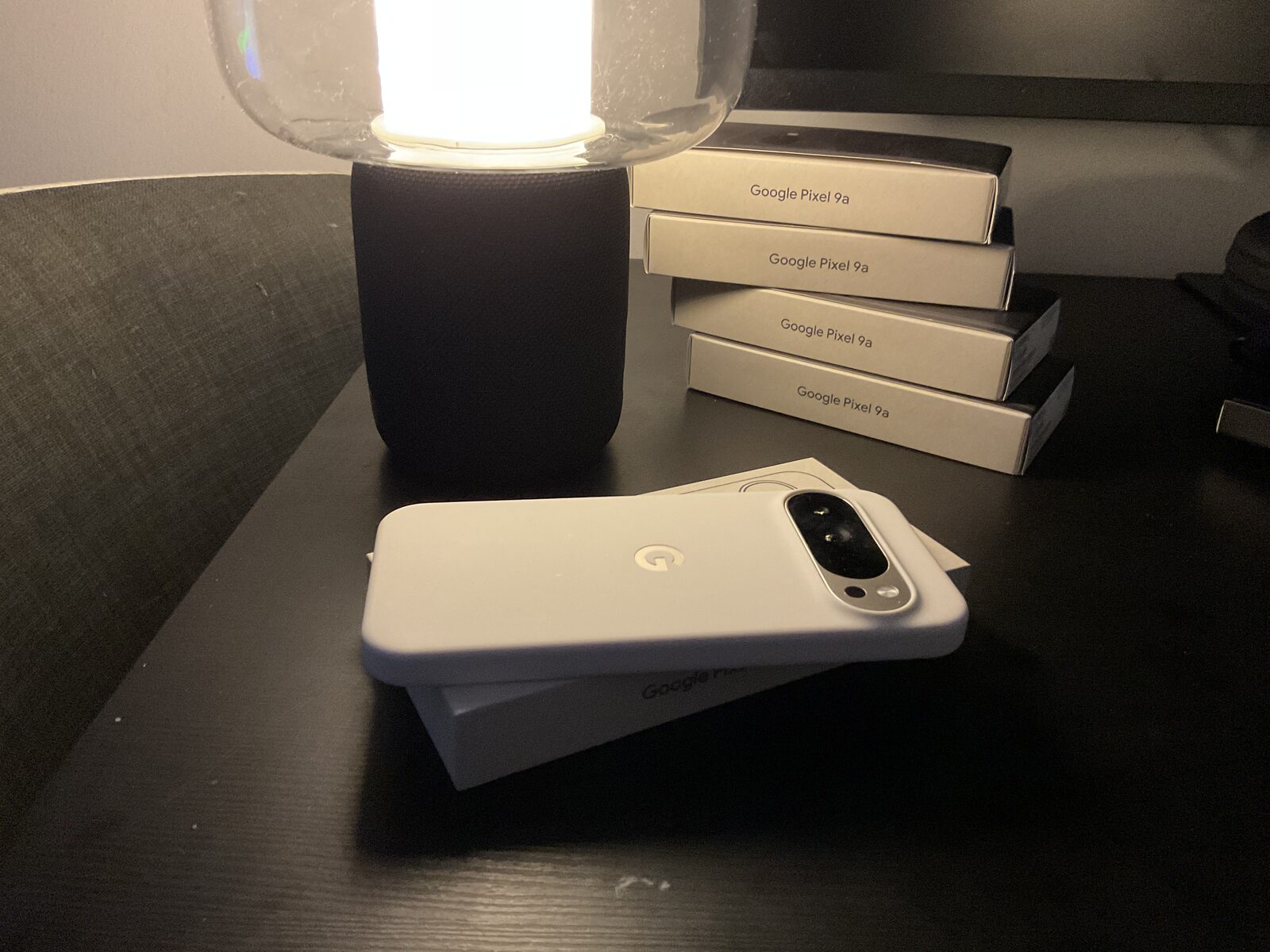
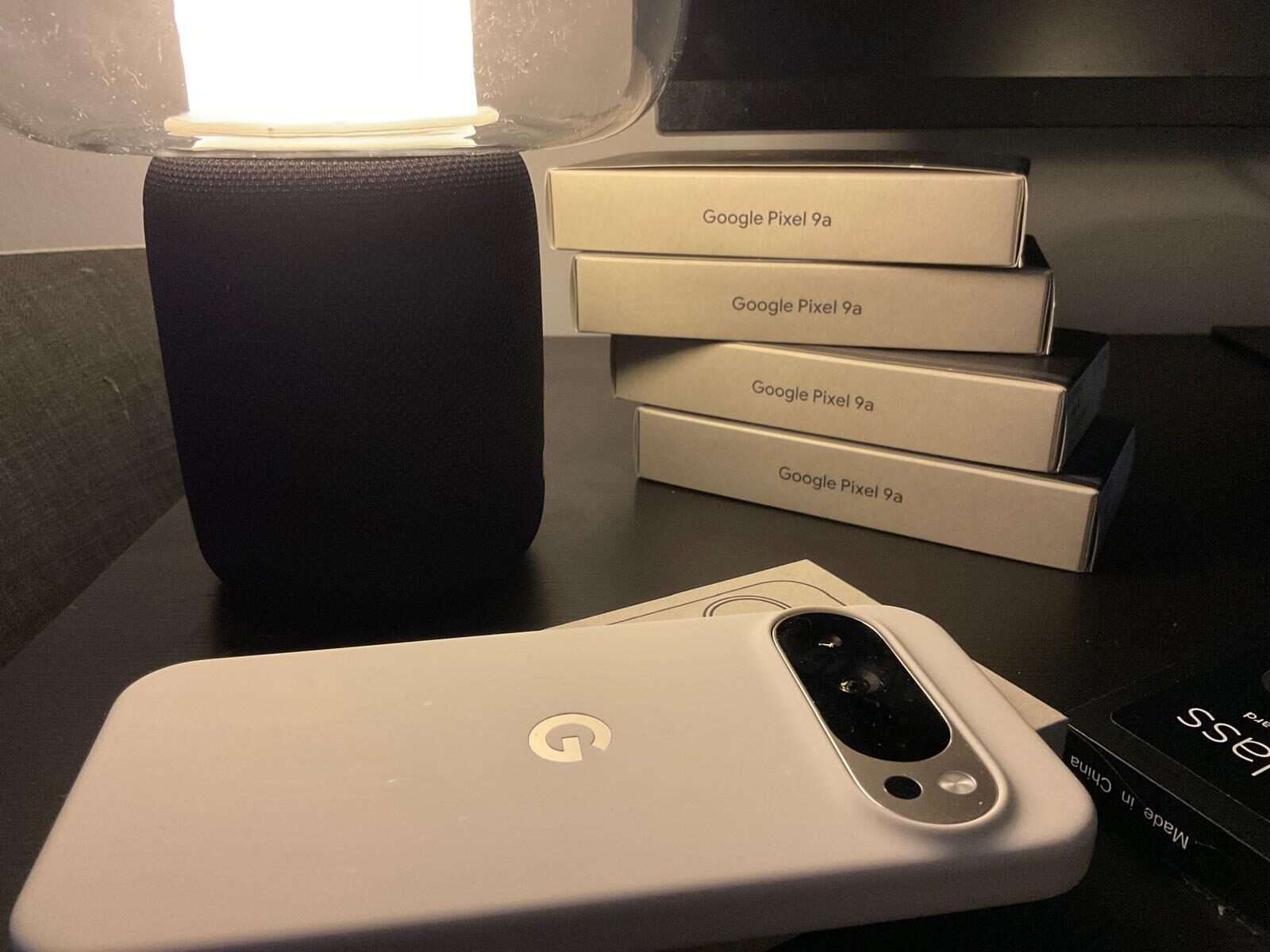
Prepared Pixel, visible proof.
A buyer guide should show the phone, the boot state and the setup work behind the recommendation — not just another block of specifications.
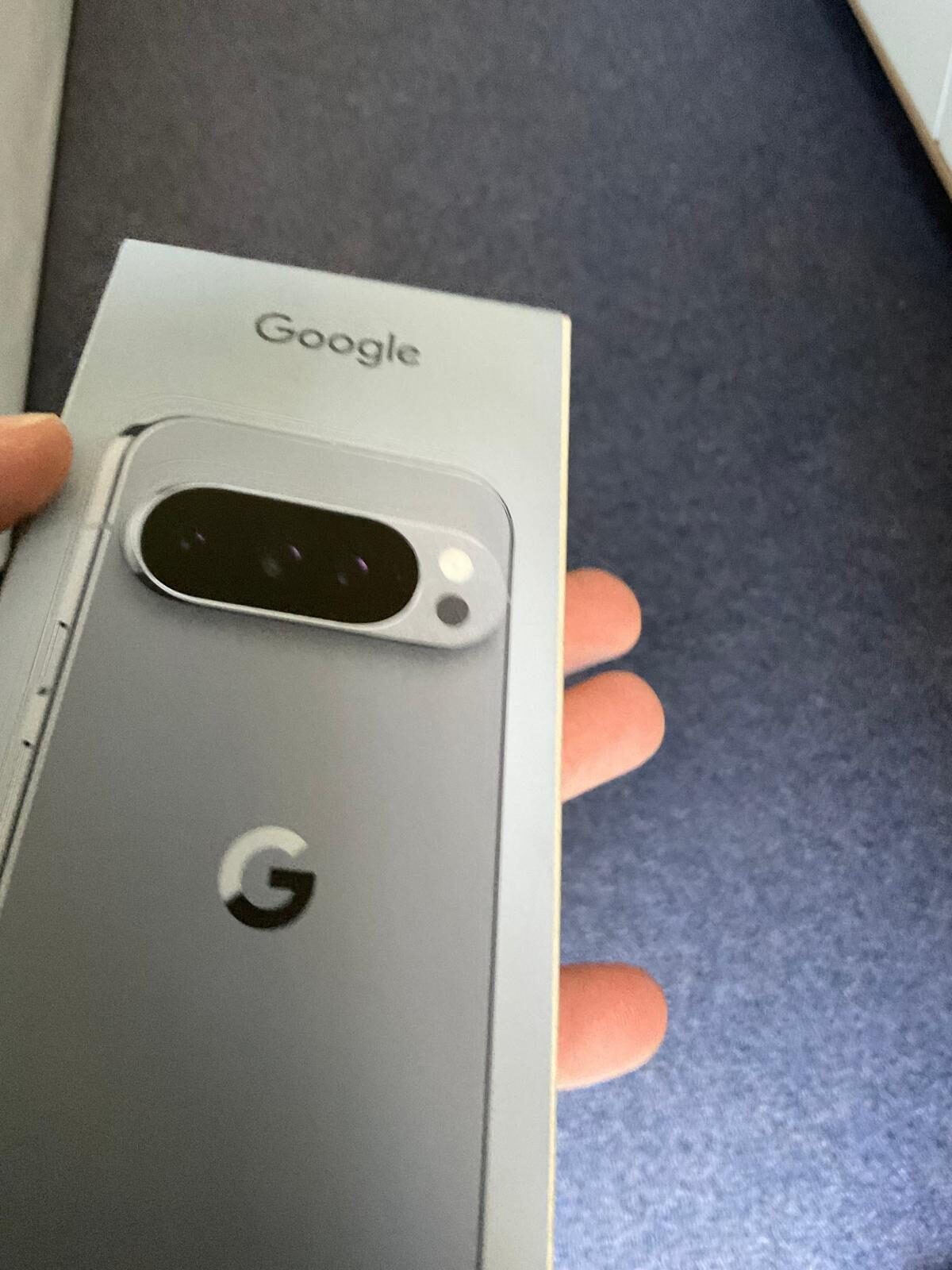
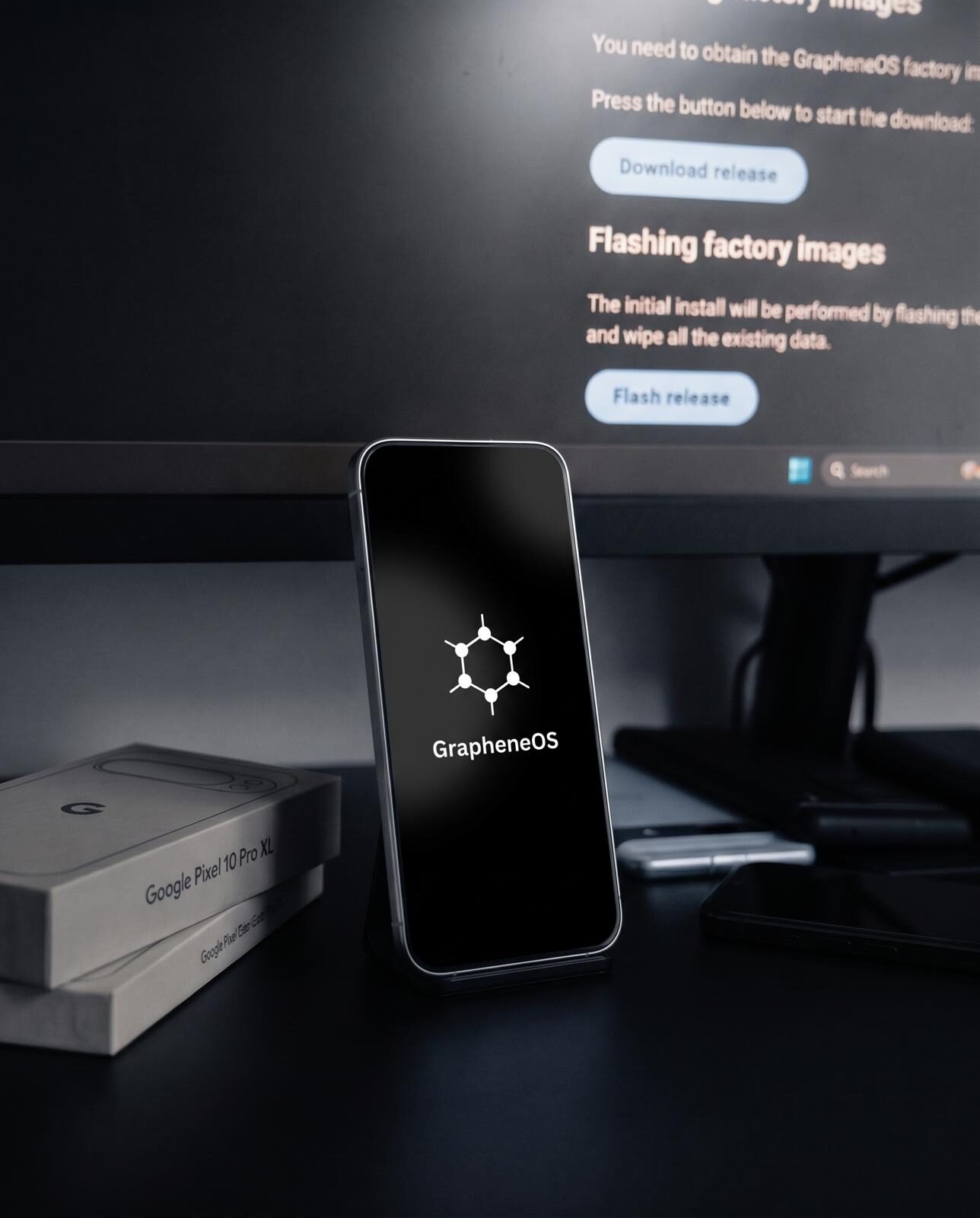
What does de-Googled mean here? It means the phone ships with GrapheneOS as the operating system, no privileged Google Play Services in the system image, verified boot relocked, and optional sandboxed Google Play only where a bank, work or government app needs it. The result is still usable day to day, but Google is no longer the default system owner.
What sets a genuinely private device apart
Google services removed by default
No Google account or privileged Play Services are required. Optional sandboxed Google Play can be added in a separate profile when an app needs it.
GrapheneOS hardened
Memory-safe allocators, verified boot relocked to our signing keys, sandboxed app environment. Hardened beyond stock installs.
Phantom Protocol™
Duress PIN, remote wipe, compartmentalised profiles. Engineered to fail safely under pressure, not just under normal conditions.
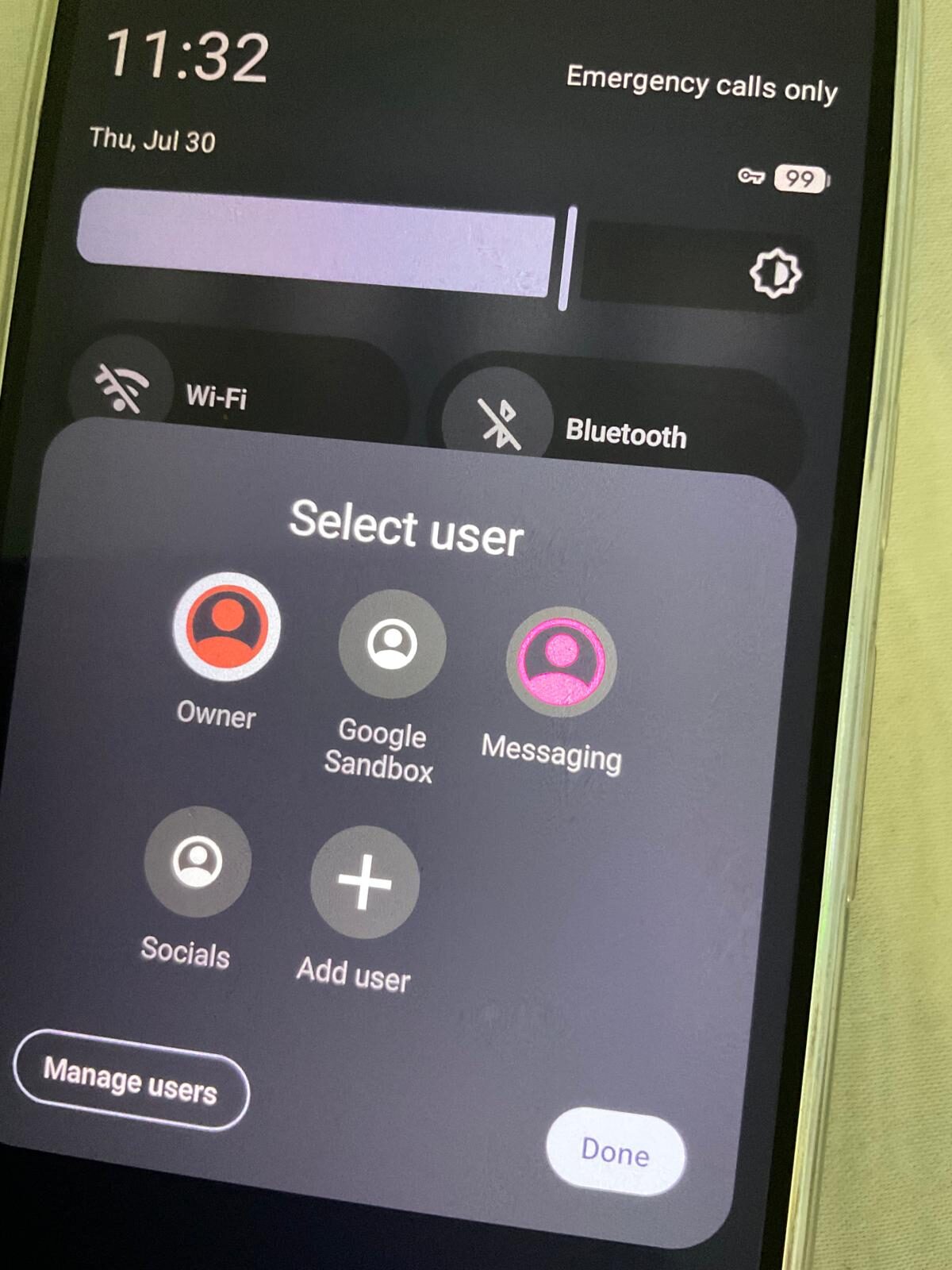
Why de-Googled is not the same as privacy settings
Turning off personalisation changes how account data is used; it does not remove the operating system's default service dependencies. A de-Googled device removes those dependencies by default. Optional sandboxed Google Play can still be installed in a separate profile when a banking, government or work app needs it. That trade-off preserves compatibility without granting system-level access.
Our devices run GrapheneOS, with verified boot relocked and the Phantom Protocol™ configuration layer added on top. This reduces default data sharing; it does not make a phone anonymous or eliminate network metadata.
What you receive
One fully configured Pixel device running GrapheneOS. 12-month Mullvad VPN licence. 12-month global eSIM. Paid Threema identity. Phantom Protocol armed and tested. Requested app compatibility checked. 14-day money-back guarantee. Configured and tested within 1–2 business days before tracked dispatch.
Crypto accepted. Discreet ordering is available — contact us before purchasing. Not sure which model to get? See our current pick for the best de-Googled phone for 2026.
What "de-Googled" actually means at the OS level
The phrase has been diluted by marketing. A genuinely de-Googled device removes Google at three distinct levels. Removing only one or two of them is what most "privacy phones" actually deliver.
Account level
The cheapest version of de-Googling is "I never signed in to Google on my phone". This is sometimes called the no-account state. It blocks personalised advertising and Google's analytics-of-you aggregation. It does not stop the operating system from sending data to Google in the background — push-notification routing, captive-portal checks, location-services pings, supplemental web view telemetry, and dozens of other endpoints continue regardless of whether you signed in.
Service level
The middle tier is "Google Play Services is removed". This is what microG-based platforms like CalyxOS attempt — a re-implementation of Google's APIs that gives apps the function calls they expect without actually contacting Google. It sharply reduces background telemetry but leaves the underlying Android framework, which still has Google-controlled hooks, system apps with telemetry, and a build process gated through Google's release infrastructure.
Operating-system level
The full version — and the version we ship — strips Google services entirely from the operating system, replaces the framework with a hardened build, removes the Google-controlled binary blobs from the system partitions, and ships a sandboxed Google Play option as an opt-in profile for the apps you actually need (banking, government, etc.). At this tier, the phone is functionally Google-free with a controlled escape hatch where the user explicitly chooses to expose specific apps.
Privacy Devices ships at the operating-system level. We do not sell account-level or service-level partial-de-Googling under a marketing label.
Australian de-Googled landscape
A handful of Australian operators sell de-Googled phones. Quality varies sharply. The questions to ask before buying anywhere — including from us:
- Is verified boot relocked? If the bootloader stays unlocked you get a "tamper warning" on every boot and lose hardware integrity. Most self-flashed devices and several boutique vendors skip this. We do it on every device.
- What OS is actually installed? "De-Googled Android" can mean GrapheneOS (best), CalyxOS (good for casual privacy), LineageOS (no boot-relock), /e/OS (microG-based), or "stock with Google removed" (essentially nothing). Our answer is GrapheneOS, every device, no exceptions.
- What encrypted comms come configured? Threema licence (paid, by us, not a trial) and Mullvad VPN (paid, by us, 12 months) come with every device.
- Australian after-sale support? Twelve months of support included. We are an Australian-registered business, ABN 35 942 206 406.
De-Googled banking, navigation, and daily-use apps in Australia
The most-asked question is whether daily life still works. Short answer: yes, for the vast majority of users. Detailed picture below.
Banking
CommBank, ANZ, Westpac, NAB, ING, Macquarie, Bendigo Bank, Up, and Bank Australia generally work via the sandboxed Google Play profile. NetBank and other web banking work in any browser. NPP transfers and PayID work normally. A small number of authentication apps from smaller institutions detect non-stock OS and refuse — message us with the specific app before purchase if it's a deal-breaker.
Government and ID
myGov works in a browser. Government service apps that support standard Android usually work through sandboxed Play. Australia Post tracking works. Some border-crossing-related apps detect non-stock OS more aggressively than commercial apps; we have a separate guide on this for travelling executives.
Navigation
GrapheneOS ships with Organic Maps offline by default — no Google account, no network calls, full Australian map data. For real-time traffic and turn-by-turn, Magic Earth or Waze (sandboxed Play) work fine. Google Maps itself works in sandboxed Play if you really need it.
Communications
Threema (preconfigured), Signal, Wire, and SimpleX all work. WhatsApp works in sandboxed Play. iMessage does not work — there is no Android client; users switching from iPhone need a de-registration step before the migration. See our iPhone-to-GrapheneOS migration guide.
Frequently asked questions
Is a de-Googled phone legal in Australia?
Yes. Installing GrapheneOS on a device you own is completely legal. It is open-source software.
Can I still use banking apps?
Yes. CommBank, ANZ, Westpac, and NAB all work via the sandboxed Google Play layer. We test before every dispatch.
Can the phone be tracked?
A correctly configured device with a private eSIM and always-on Mullvad VPN has no persistent identifiers.
What if my device is seized?
Phantom Protocol includes a duress PIN that triggers silent wipe on entry. Remote wipe is also available.
Do you accept crypto?
Yes. Bitcoin and Lightning via our self-hosted BTCPay Server. Bank transfer and card also available.
Don't stress. Duress.
Prepared to reduce avoidable exposure. Configured and tested within 1–2 business days before tracked dispatch. Crypto accepted.
View All Devices → Talk to Us