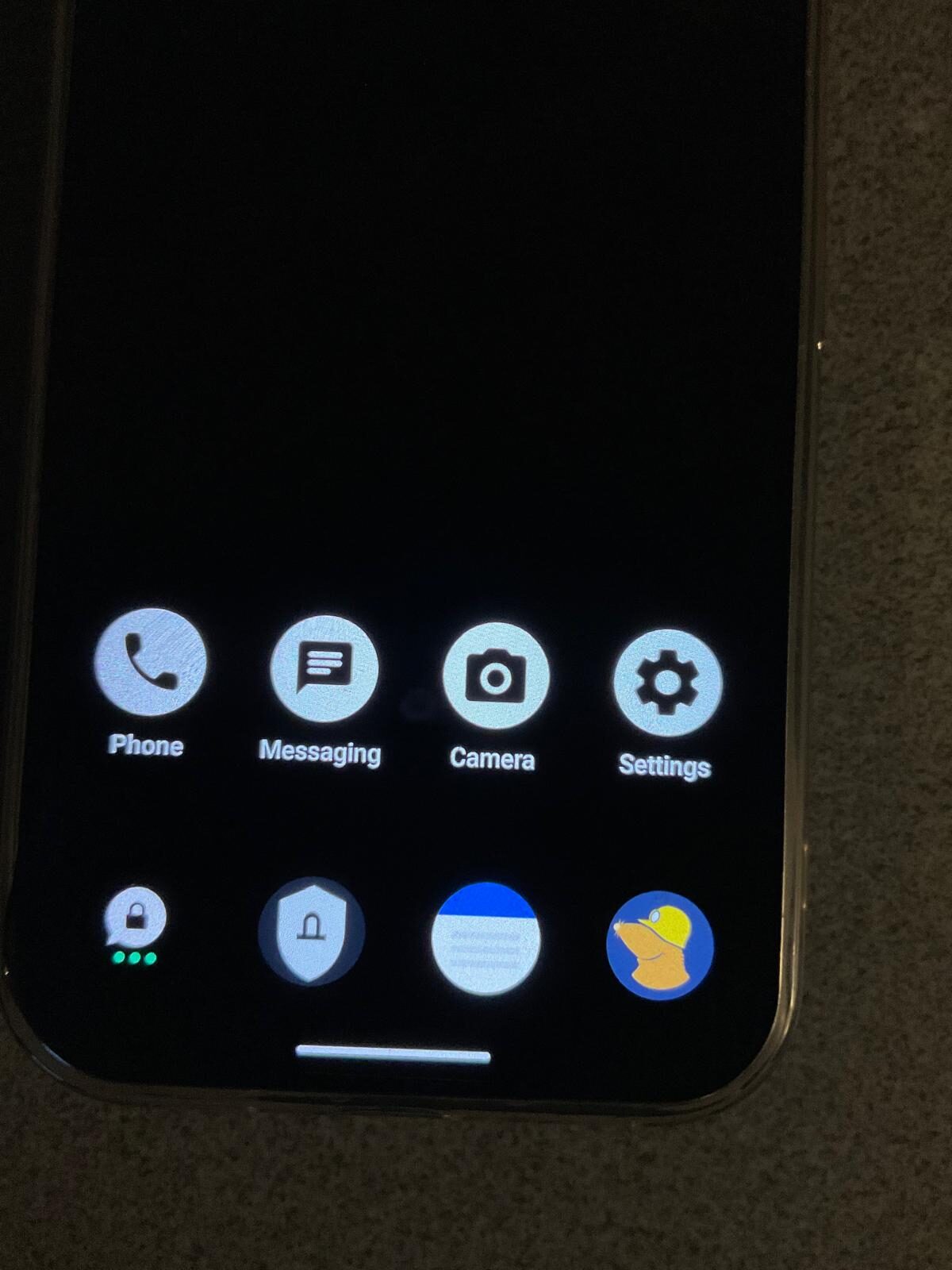
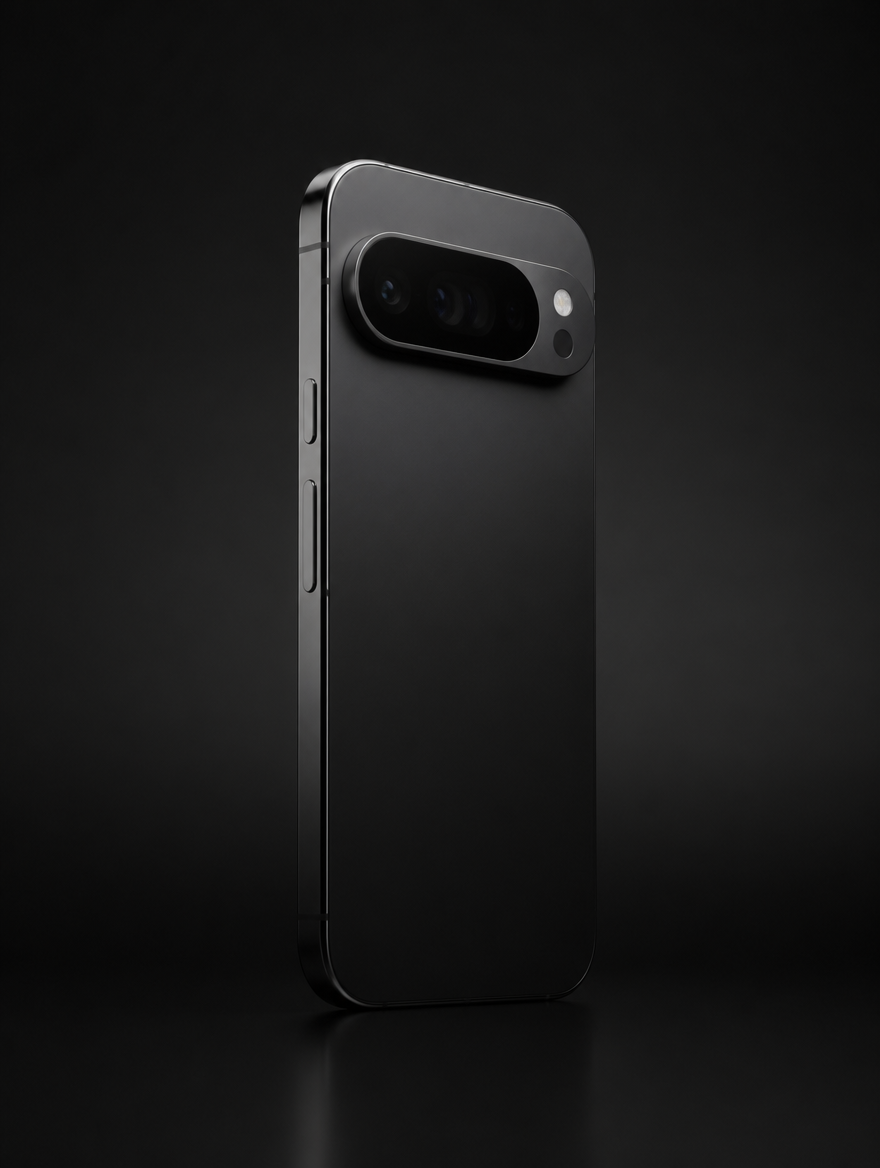
The Unplugged Phone — formerly known as the Freedom Phone — marketed itself as the privacy-focused alternative for users who distrust mainstream devices. It positioned its operating system, Freedom OS, against GrapheneOS as two competing approaches to mobile privacy. The comparison was always misleading. Here is what the record actually shows.
What Was the Unplugged Phone?
The Unplugged Phone shipped on a MediaTek-powered device with a custom Android fork called Freedom OS. It was marketed in 2021 as a “freedom phone” for users concerned about surveillance, and was sold at a significant premium for what amounted to a mid-range MediaTek device.
The Freedom OS was never open-source auditable in the way GrapheneOS is. The hardware was manufactured by a Chinese OEM. The bootloader handling, update cadence, and underlying security architecture were never publicly documented to the standard that security researchers require to verify claims.
What Is GrapheneOS?
GrapheneOS is an open-source, security-hardened Android fork built on the Android Open Source Project (AOSP). Its development is public, its code is auditable, and its security decisions are documented and peer-reviewed by the security community.
It runs exclusively on Google Pixel hardware — devices that have published hardware security documentation, a dedicated Titan M2 security chip, and a bootloader that can be cryptographically relocked after flashing. The bootloader relock is not cosmetic: it means the device cryptographically verifies every boot, and a tampered operating system will not silently boot.
The Hardware Question
Privacy on a mobile device depends on three layers: the operating system, the application layer, and the hardware. The Freedom Phone failed at the hardware layer before the OS conversation even started.
MediaTek chipsets have historically had a poor security disclosure record. The hardware supply chain for generic Chinese-manufactured Android devices is opaque in ways that Pixel hardware is not. Google publishes detailed hardware security documentation for Pixel devices. The Titan M2 chip is a dedicated secure enclave with published specifications. There is no equivalent documentation for the Freedom Phone’s hardware.
A hardened operating system running on hardware with unknown or undisclosed security properties offers weaker guarantees than a slightly-less-hardened OS on hardware with a known, documented, verified security baseline.
Bootloader Security: The Core Difference
GrapheneOS requires and enforces a relocked bootloader. This means:
- The device cryptographically verifies the OS signature on every boot
- An attacker who gains physical access cannot silently flash a compromised OS without triggering a boot failure
- The device owner has cryptographic evidence that the OS they configured is the OS running
The Freedom Phone never documented equivalent bootloader verification. “Freedom” in the marketing context appeared to mean “freedom from mainstream tech platforms” rather than “cryptographic freedom from undetected tampering.”
Update Track Record
GrapheneOS releases security patches rapidly — historically within 24–48 hours of Google’s monthly Android security bulletin. Security patches matter because unpatched vulnerabilities in the kernel, media stack, or telephony subsystem are the attack surface for sophisticated adversaries.
The Freedom Phone’s Freedom OS never established a comparable update cadence. A device running a months-old Android security baseline, regardless of what privacy features its marketing emphasises, is vulnerable to known exploits.
What “Privacy” Actually Requires
Marketing-led privacy products tend to frame privacy as a political or philosophical position — freedom from Big Tech — rather than a technical one. The result is products that perform privacy aesthetically without providing it architecturally.
Technical privacy on a mobile device requires:
- A verified boot chain so the device can be trusted
- Rapid security patching to close known vulnerability windows
- Documented, auditable source code so claims can be verified
- Hardware with known security properties
- Application-layer isolation so one compromised app cannot access another’s data
GrapheneOS addresses all five. The Unplugged Phone addressed none of them in a verifiable way.
The CalyxOS Comparison
CalyxOS, another GrapheneOS alternative, at least operates on Pixel hardware with a relocked bootloader and is open-source. The comparison between GrapheneOS and CalyxOS is a genuine technical conversation about trade-offs between security and compatibility. The comparison between GrapheneOS and the Unplugged Phone is not that conversation — it is the difference between a security OS and a marketing product.
What We Configure
Every device from Privacy Devices runs GrapheneOS, with a relocked bootloader verified before dispatch. We add Mullvad VPN, Threema, a global eSIM, and Phantom Protocol — our operational configuration layer that handles the application-level hardening that a clean OS installation does not include by default.
The reason is simple: we can verify every security property we claim. Verified boot is verifiable. Patch levels are verifiable. Sandboxed Google Play behaviour is documented and verifiable. We do not make claims we cannot demonstrate.
If you’re weighing other privacy-phone vendors alongside a GrapheneOS build, see how Above Phone compares — a locked-down Android preset rather than a from-scratch, independently audited operating system.
Browse the device range, read about why GrapheneOS, see whether GrapheneOS is worth it, or explore Phantom Protocol — the configuration layer that runs on top of the OS.