Is GrapheneOS worth it? The honest answer.
No hype, no fear-selling. Here's what you genuinely gain with GrapheneOS, what you actually give up in 2026, and how to decide whether it's worth it for the way you really use a phone.
Short answer: for almost anyone who cares about privacy, yes. The hardening and de-Googling are real and best-in-class, app compatibility in 2026 is far better than its reputation, and the trade-offs are minor. The main "cost" is setup — which is the part we remove.
Worth it if the handover is real.
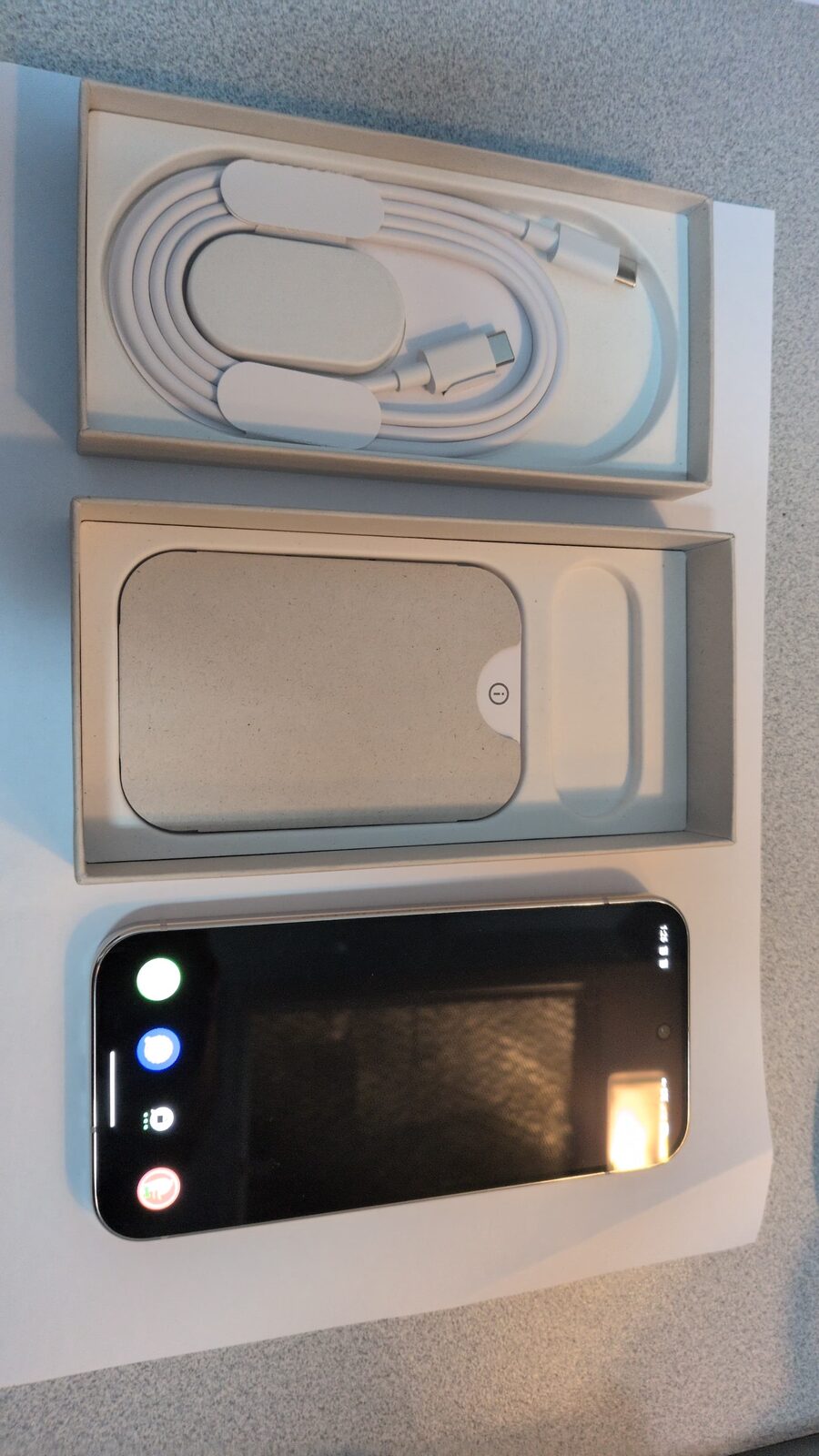
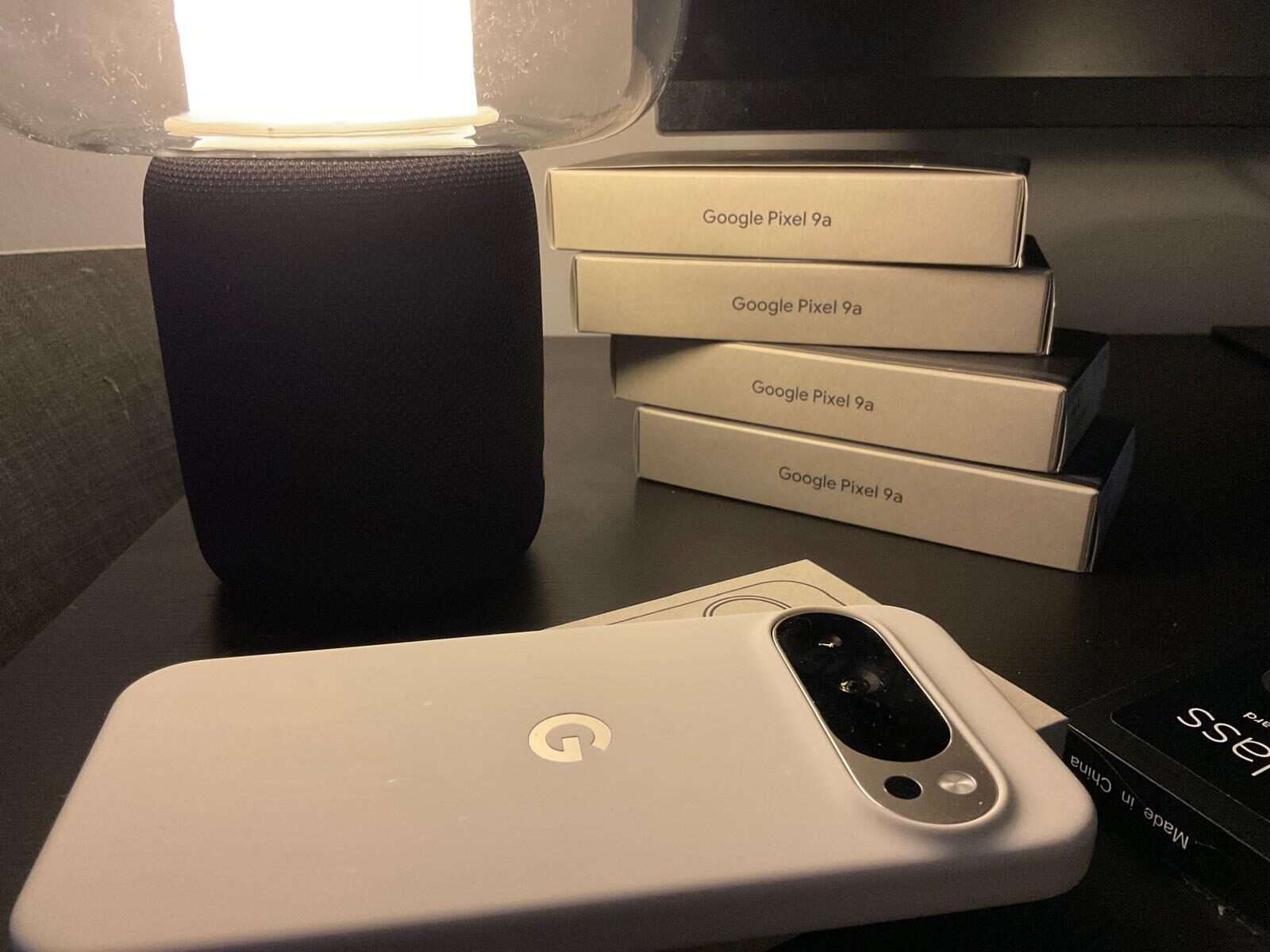
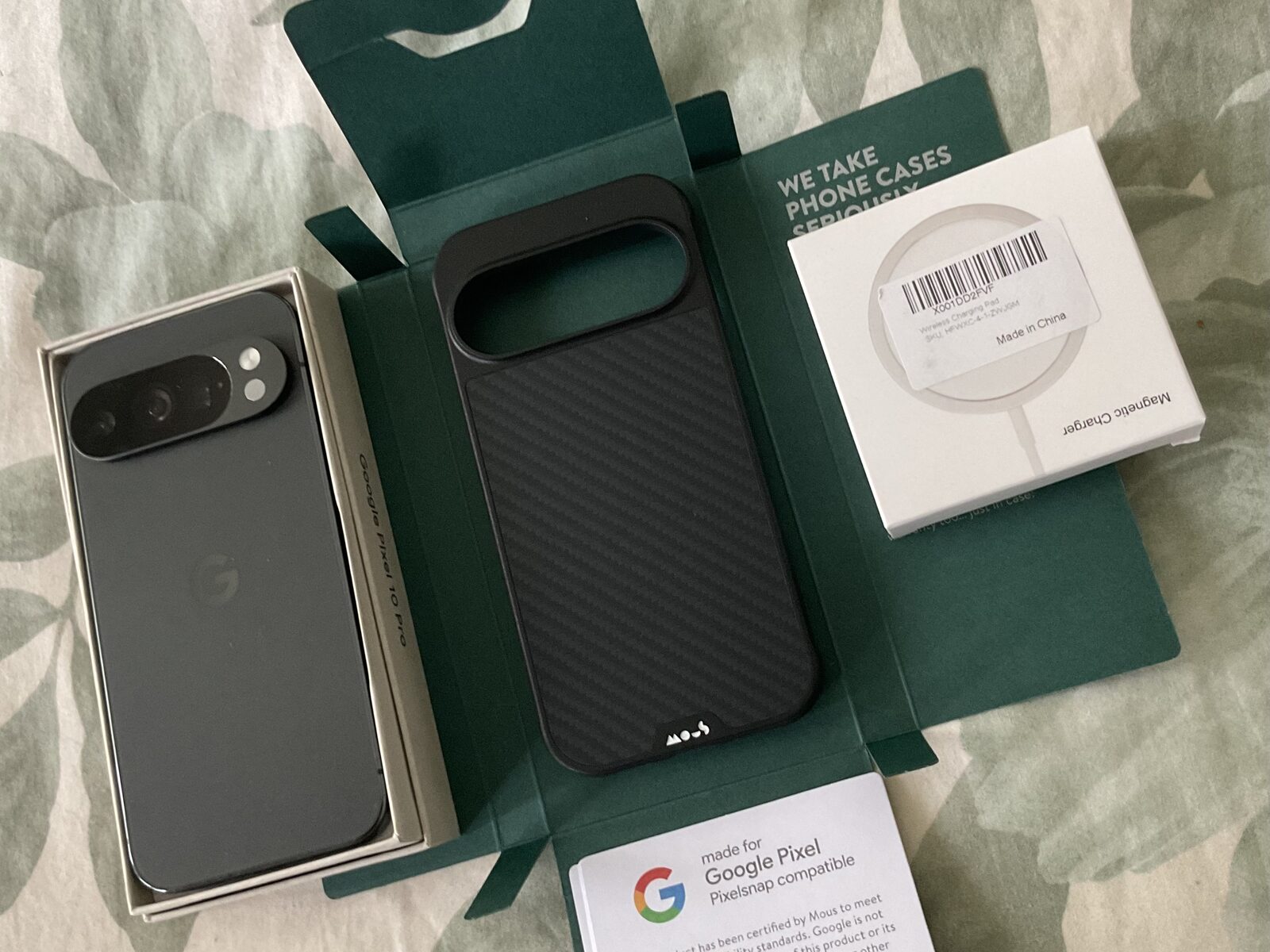
GrapheneOS is strongest when it arrives configured: supported Pixel hardware, relocked boot, profiles, apps and checks already done.

What you actually gain
GrapheneOS is a security- and privacy-hardened version of Android that runs only on Pixel hardware. The headline isn't a single feature — it's that the whole default posture flips. Out of the box there are no Google services running, no advertising identifiers being fed, and no background telemetry phoning home. On top of that sits a security model that consistently leads the consumer-mobile field.
- No Google by default. Google Play and Play Services are optional and fully sandboxed — they run as normal apps with no special system privileges, not as the all-seeing layer they are on stock Android.
- Granular control. Per-app network and sensor permissions let you deny an app internet access entirely, or cut off the camera, mic and location at the system level.
- Hardened internals. A hardened memory allocator, stronger sandboxing, and faster security patching than stock Android raise the bar for any attacker.
- Multiple profiles & duress options. Separate work and personal worlds on one device, and features like a duress PIN that wipes the phone.
For the full picture of why this matters, see what GrapheneOS is and how it compares to an iPhone for privacy.
What you give up (the honest part)
Selling GrapheneOS without naming the trade-offs would be dishonest. Here they are, plainly:
Worth it for
- Anyone who dislikes default data harvesting
- Lawyers, journalists, executives, business owners
- People who want control over app permissions
- Travellers and high-exposure roles
- Anyone replacing an ageing iPhone or Android anyway
The trade-offs
- No Google Pay tap-to-pay
- A few strict apps may not run (shrinking yearly)
- Pixel hardware only
- Some Google-ecosystem conveniences need setup
- You (or we) need to configure it properly once
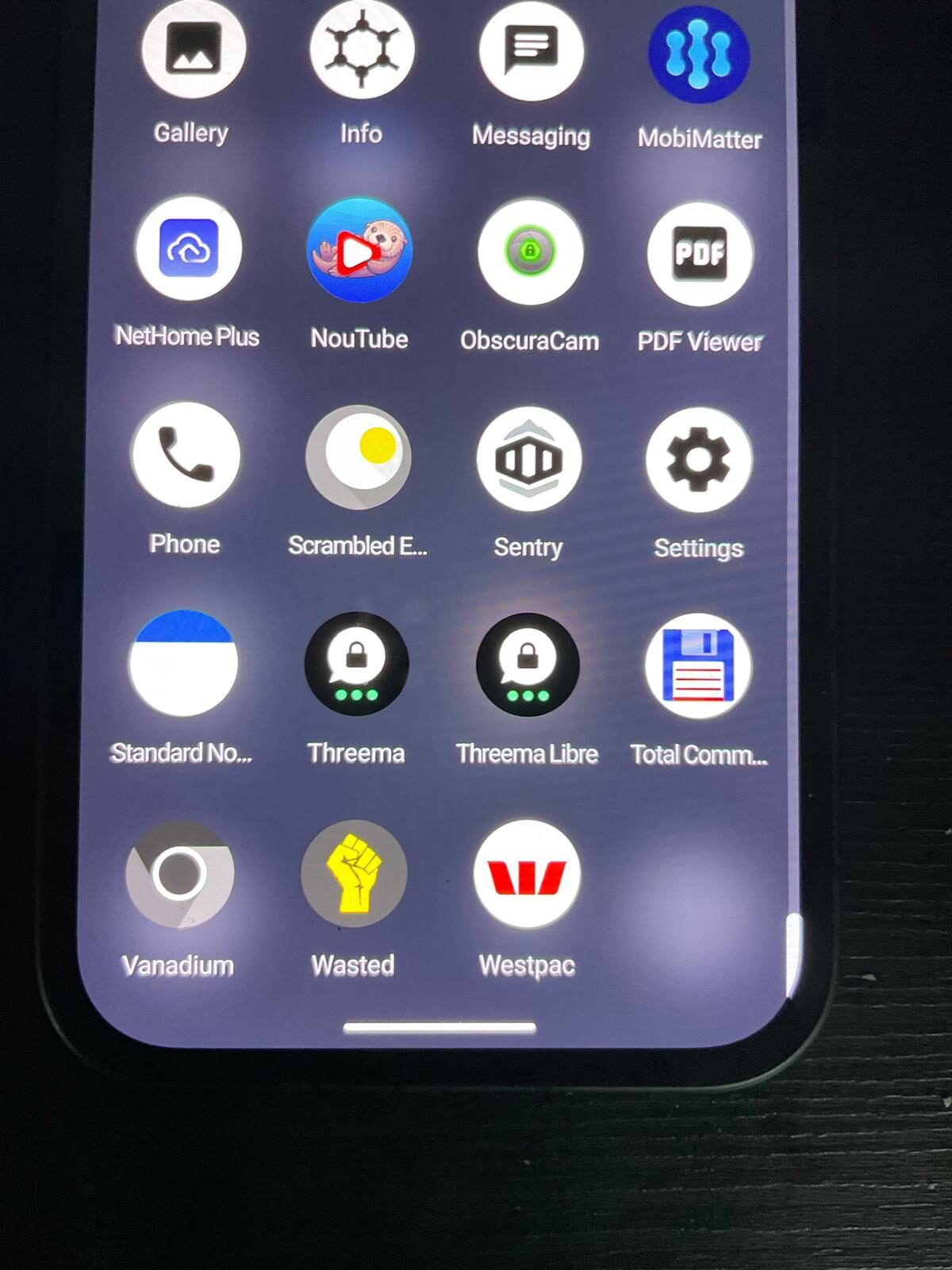
The big one people worry about — banking apps — is mostly solved. Sandboxed Google Play satisfies the integrity checks most Australian banking apps use. A handful of the strictest hold-outs remain, but the list keeps shrinking.
So — is it worth it for you?
Run it through three quick questions. Do you mind that a stock phone harvests your location, contacts and app activity by default? Do you rely on any app you already know won't run without full Google Play (a rare few)? And do you value the time it takes to set a privacy phone up correctly? If you mind the harvesting, don't depend on those rare apps, and would rather not spend a weekend flashing and configuring, GrapheneOS is worth it — and a pre-configured device is the path of least resistance.
If you're technically inclined and enjoy the process, flashing it yourself is free. We cover that trade-off honestly in prepared GrapheneOS vs DIY flashing — buying from us is about configuration, sourcing and warranty, never the software, which is identical either way.
Skip the setup. Get it done right.
Our Pixels arrive with GrapheneOS installed, hardened, profiles and encrypted messaging configured, and a paid VPN licence loaded — ready from first boot, backed by a 12-month warranty.
Compare GrapheneOS Phones → Best privacy phone 2026See how Privacy Devices compares to other AU GrapheneOS vendors →
Frequently asked
Is GrapheneOS worth it?
For most privacy-conscious users, yes — best-in-class hardening and de-Googling, with only modest trade-offs in 2026 and far better app compatibility than its reputation suggests.
What do you give up with GrapheneOS?
Google Pay tap-to-pay, a few strict apps, and some Google-ecosystem conveniences. You also need Pixel hardware.
Do banking apps work on GrapheneOS?
The large majority do, via sandboxed Google Play. Australian banking apps are generally well supported; check a critical app first or ask us.
Is GrapheneOS hard to use?
No — day to day it's a clean, fast Pixel. The only real effort is setup, which we handle for you.
Should I install it myself or buy configured?
DIY is free if you're comfortable; buying configured saves time and gets it right the first time. The OS is identical either way.
Is GrapheneOS overkill for a normal person?
No — it's about not being harvested by default, which applies to ordinary users, not just high-risk roles.