A secure phone built for doctors
Patient confidentiality is not a courtesy — it is a professional and legal obligation that follows health information wherever it goes, including your phone. A hardened GrapheneOS phone gives you a device worthy of that duty: encrypted communications, isolated clinical and personal profiles, and a controlled data footprint, configured before it reaches you. For solo GPs, specialists and full practices alike.
Protection starts at handover.
For high-exposure work, the device has to arrive with profiles, communication tools and recovery controls already set up — not left as homework after purchase.
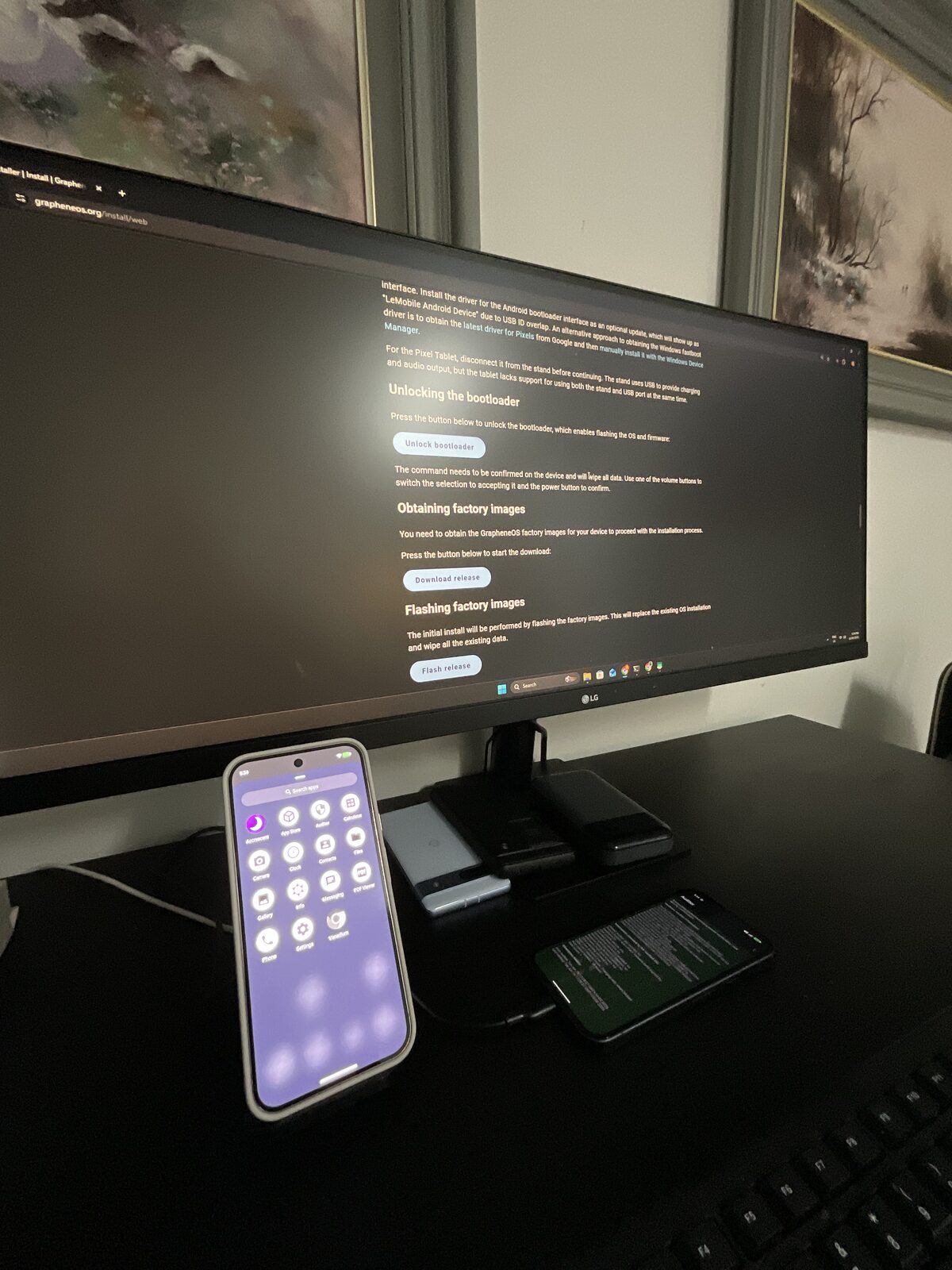
A standard smartphone leaks. Cloud backups, ad trackers, metadata and over-permissioned apps quietly expand the surface where patient information can sit or escape — often into services and jurisdictions you never chose. For a doctor, that is a governance and confidentiality risk, not just a privacy preference. A hardened device shrinks that surface to what you actually control.
The duty, and the device
Your duty of confidentiality and your obligations under Australian privacy law extend to health information held on your phone. Patient messages, clinical photos, referral details, results and notes are exactly the kind of sensitive data that ordinary phones replicate to the cloud, expose to third-party SDKs, and retain longer than you would choose. A GrapheneOS Pixel is built to keep that information where it belongs: encrypted, minimised, and under your control.
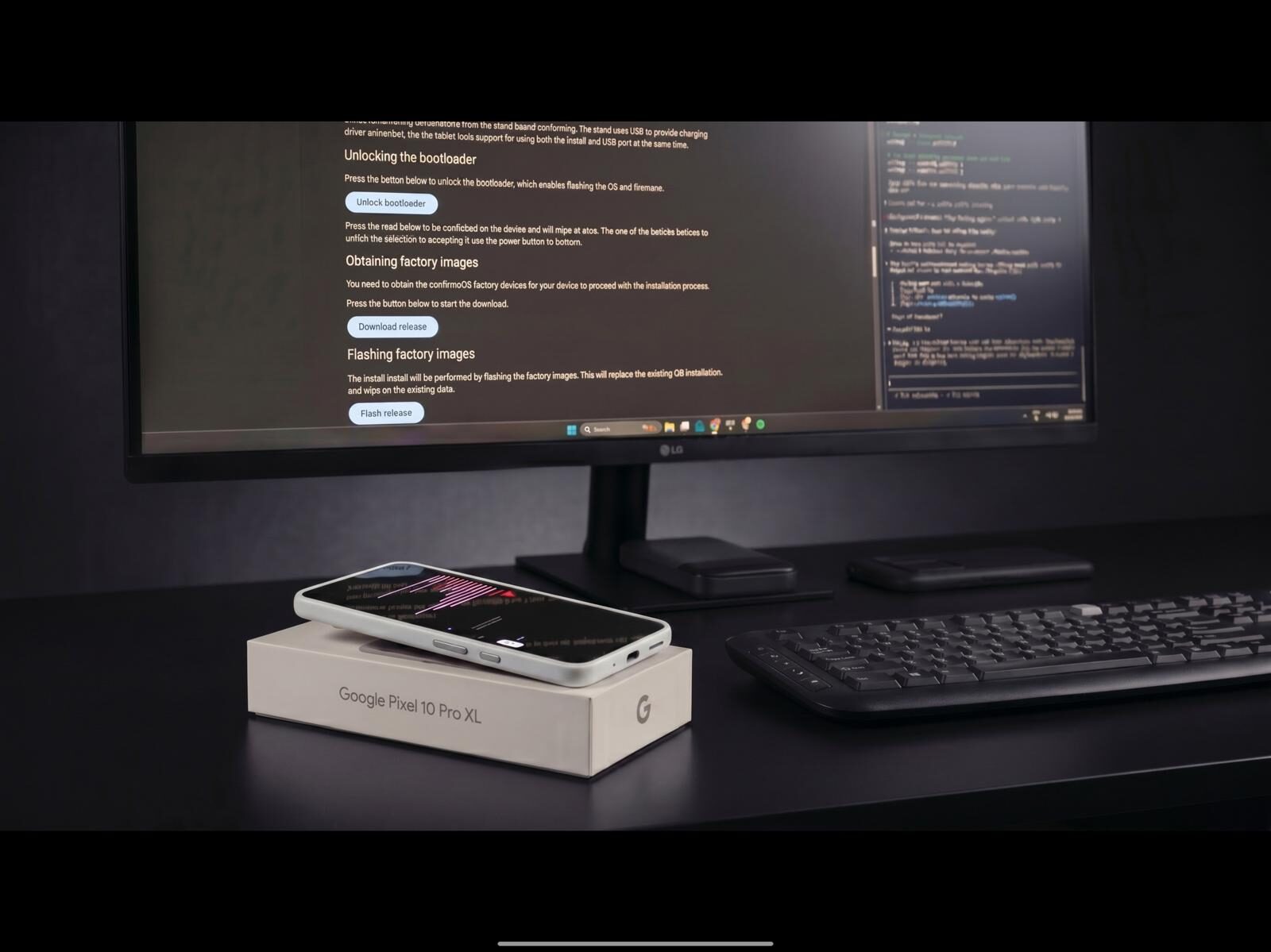
What a hardened phone gives a doctor
Confidential communications
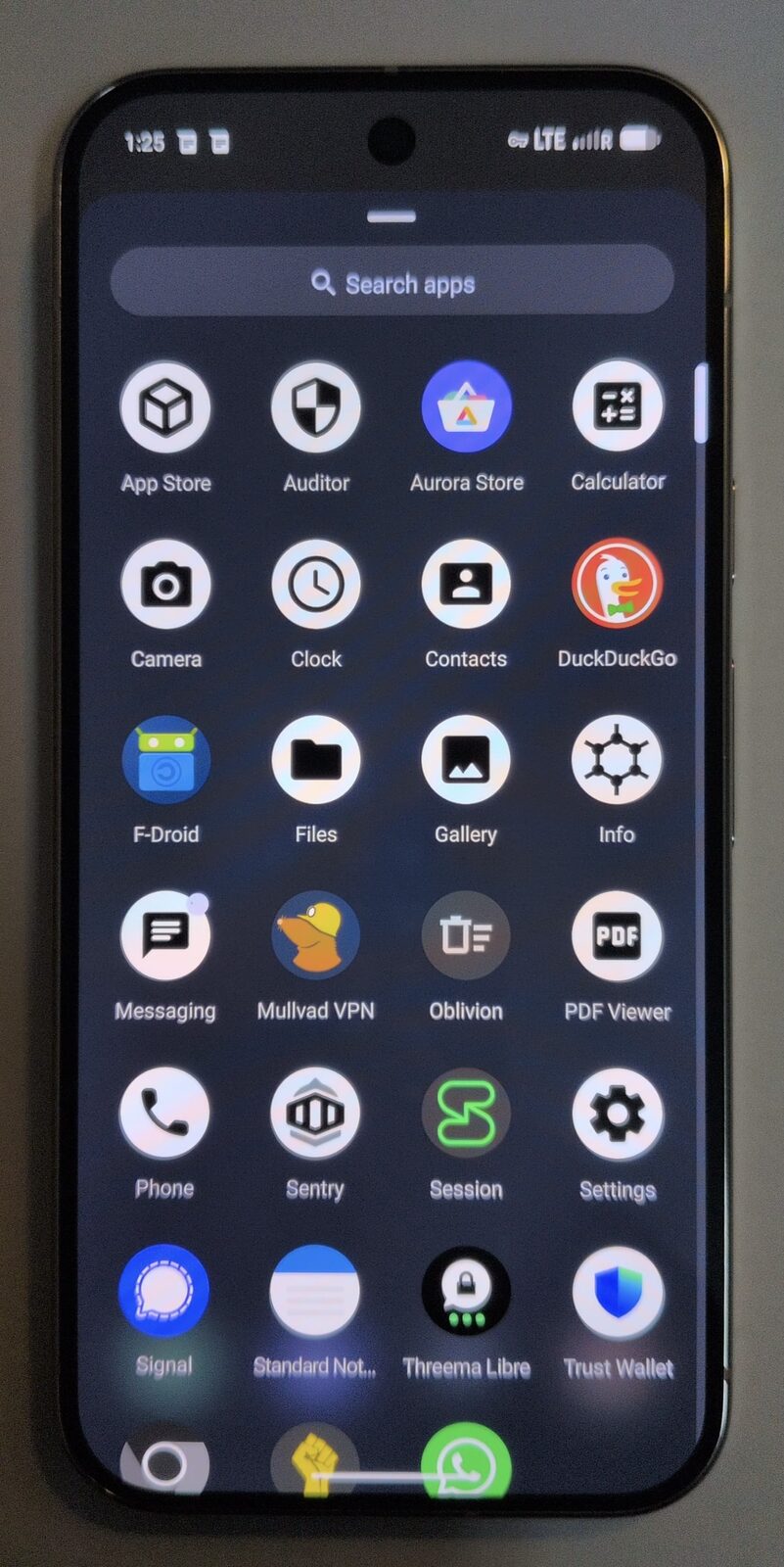
Signal and Threema configured for sensitive contact with patients and colleagues — end-to-end encrypted, with Threema requiring no phone number and holding minimal metadata.
Clinical / personal isolation
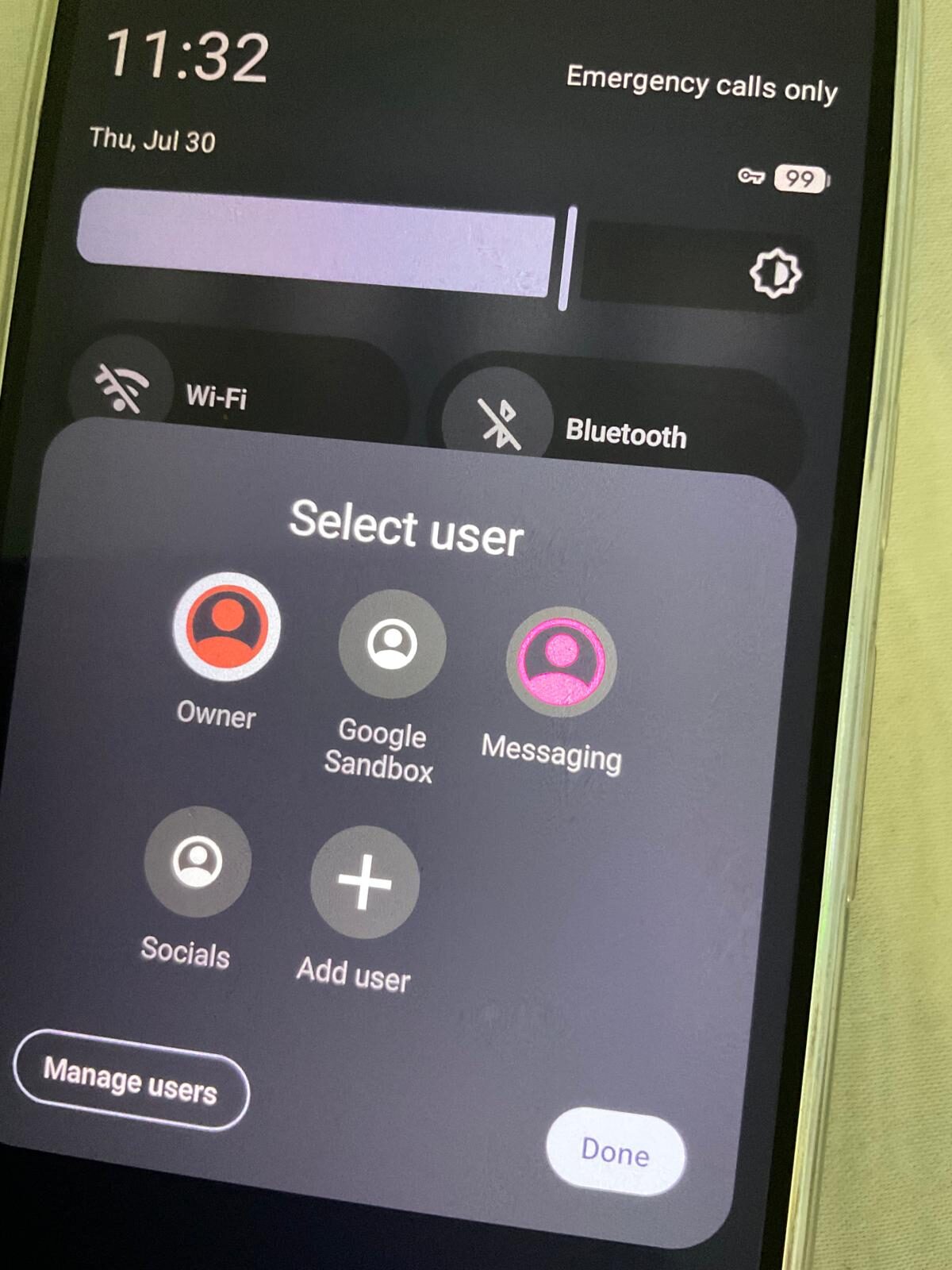
Separate user profiles wall off clinical work from personal life and travel — each encrypted independently, so patient data never mingles with your everyday apps.
A controlled footprint
No Google services with system privileges, no ad trackers by default, and a VPN that keeps traffic private on hospital, clinic and public networks.
A duress layer
Phantom Protocol adds a duress PIN and auto-reboot, so a lost, idle or seized device returns to its strongest, fully-encrypted state.
Clinical photos and messaging, handled properly
The everyday reality of practice — a wound photo, a quick message to a colleague, a result relayed to a patient — is where confidentiality most often slips on an ordinary phone. Default camera roll sync sends clinical images to the cloud; consumer messengers leak metadata. A hardened device keeps clinical photos inside an encrypted, isolated profile with no automatic cloud upload, and routes sensitive messages through end-to-end encrypted apps. It is the technical layer that supports good clinical governance — it does not replace your own judgement or your practice's policies.
Will my clinical and everyday apps work?
In almost all cases, yes. Apps install through sandboxed Google Play, so practice, prescribing, communication and banking apps run normally — the difference is that Google Play no longer holds system-level privileges. See how compatibility works on GrapheneOS banking apps in Australia, and tell us your priority apps so we verify them before dispatch. To understand what the hardening changes versus an ordinary phone, see GrapheneOS vs stock Android.
For the practice, not just the principal
Equipping a practice should not mean standing up a complex device-management programme. We prepare each device to the same standard, apply your policy, and dispatch the fleet together with a single point of contact — see business & bulk orders and GrapheneOS for business in Australia. Every device is backed by a 12-month warranty, and payment can be made by card or crypto. Lawyers carry a parallel duty — see our secure phone for lawyers page.
Secure phones for doctors — FAQ
Why do doctors need a secure phone?
Because the duty of confidentiality and obligations under Australian privacy law extend to health information held on a phone. Ordinary smartphones back up to the cloud, expose data to third-party trackers, and retain more than necessary. A hardened GrapheneOS phone keeps patient information encrypted, minimised and under the doctor's control.
Can I safely take and store clinical photos on it?
A hardened device keeps clinical images inside an encrypted, isolated profile with automatic cloud sync disabled, so photos are not silently uploaded to a consumer cloud. It supports good clinical governance, but it does not replace your professional judgement, patient consent, or your practice's policies on clinical imaging.
Will my practice management and prescribing apps work?
In almost all cases, yes. Apps install via sandboxed Google Play. We verify your priority clinical, communication and banking apps before dispatch — see our GrapheneOS banking apps in Australia page for how app compatibility works.
Can you equip an entire practice or clinic?
Yes. We prepare devices to a consistent standard, apply your security policy, and dispatch the fleet together with one point of contact. See our business and bulk orders page and GrapheneOS for business in Australia.
Is a secure phone a substitute for approved clinical systems?
No. A hardened phone protects the data layer on the device — encrypted, isolated and minimised. It complements, rather than replaces, your accredited clinical software, record-keeping obligations and your practice's information governance.
Is using an encrypted phone legal for an Australian doctor?
Yes. Owning and using an encrypted phone is entirely lawful in Australia. See our dedicated page on whether encrypted phones are legal in Australia.
Worthy of the confidence patients place in you.
Encrypted, isolated, controlled — configured for medical practice before it ships. 12-month warranty. Crypto accepted.
Browse Prepared Devices → Equip Your PracticeNote. This page is general information for medical professionals about device security, current as of 2026. It is not legal, clinical or compliance advice and does not address any specific obligation. Doctors and practices should apply their own professional judgement, relevant privacy law and their governing conduct and information-governance requirements.