What "De-Googled" Actually Means
The term "de-Googled" is widely used but often misunderstood. It does not mean invisible. It does not mean anonymous. It means you control what data leaves your device and where it goes.
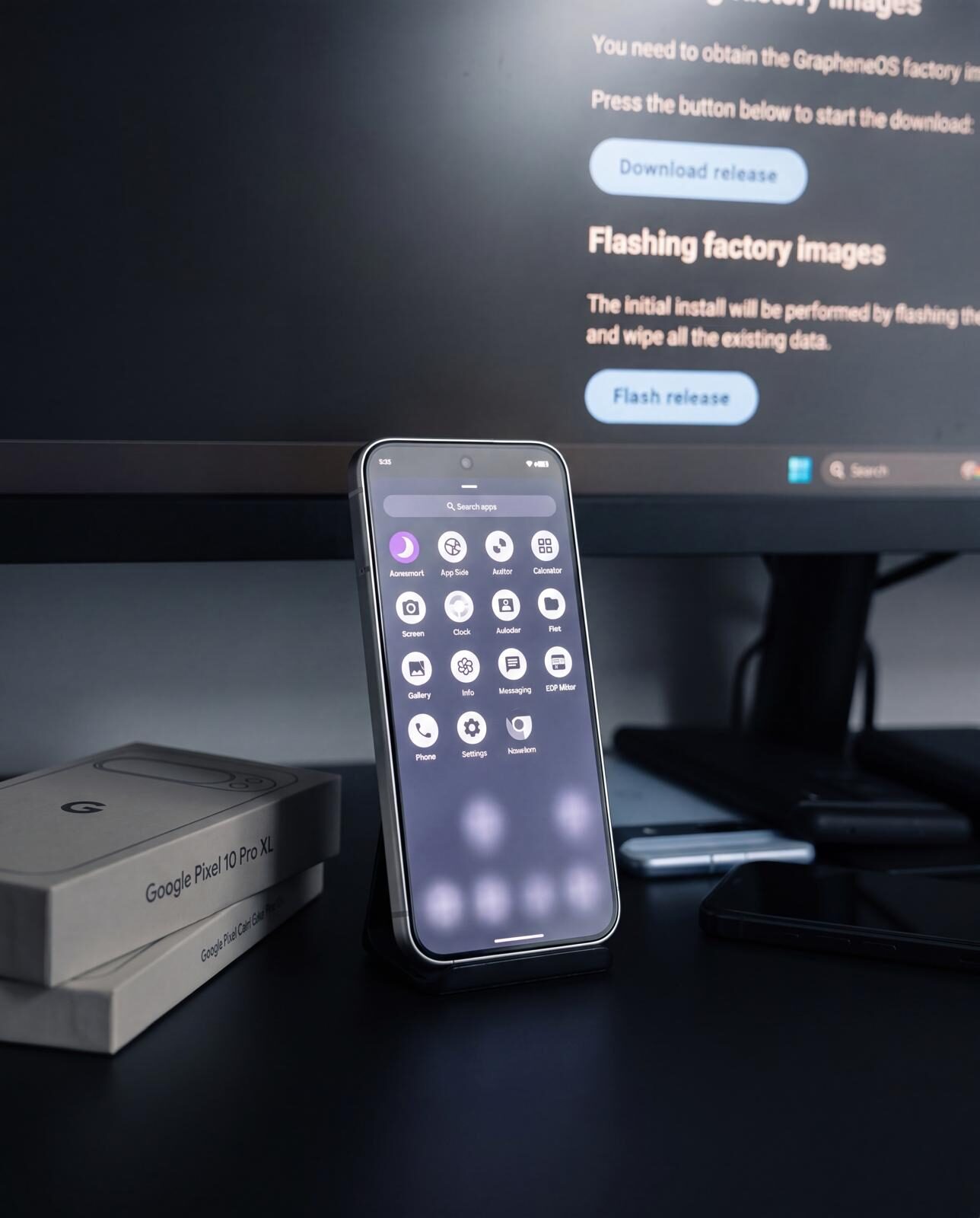
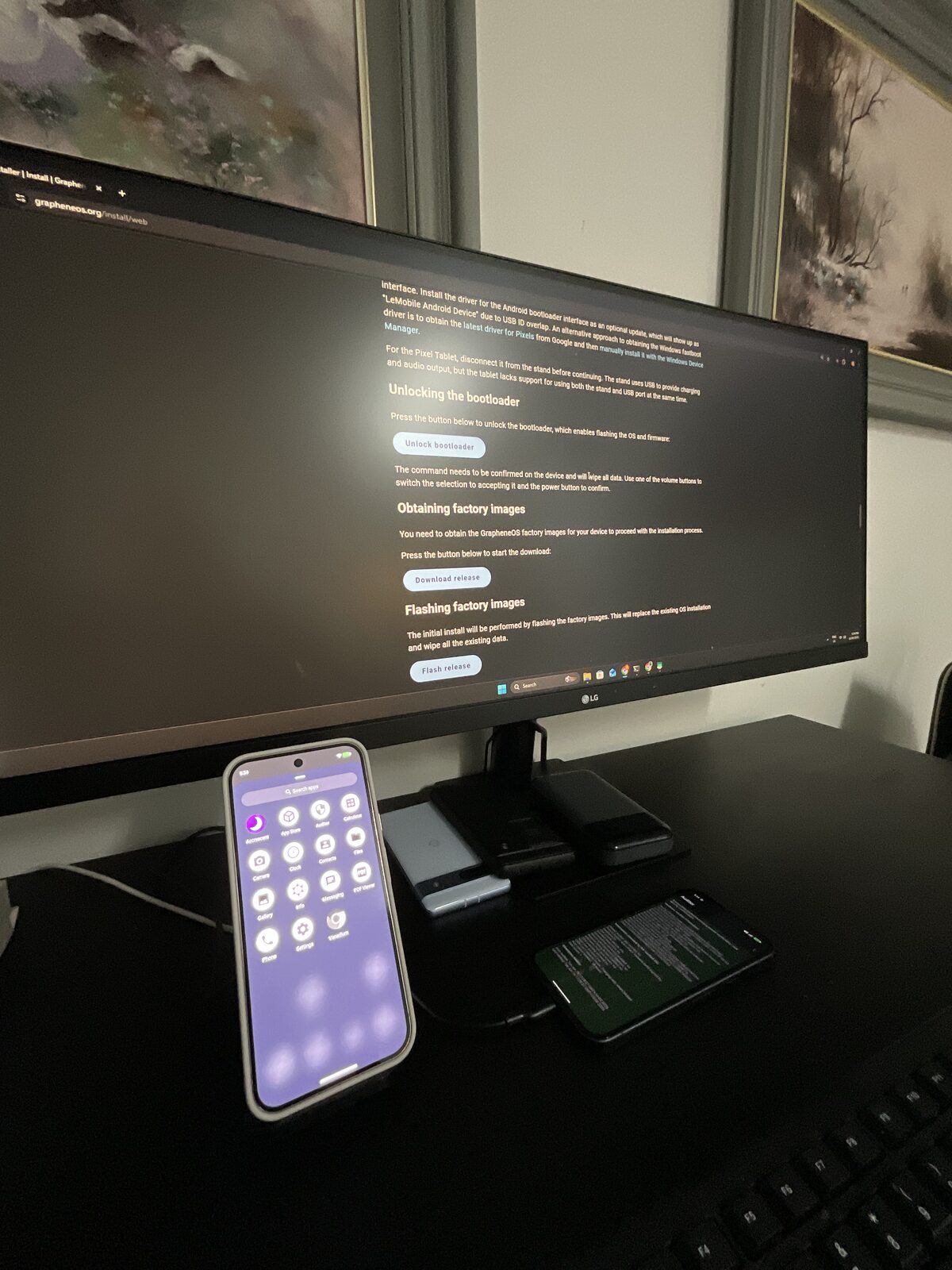
What is removed
A de-Googled phone removes Google Play Services, Google Play Store, Google Search, Gmail, Maps, Chrome, Assistant, and all other Google system apps. These are the primary channels through which Google collects telemetry, tracks location, monitors app usage, and ties activity to your identity.
Without these services, the phone does not contact Google servers during normal use. There is no advertising ID, no location timeline, no search history, and no account-linked analytics being transmitted.
What remains
The phone still connects to the internet. It still has a cellular radio, a MAC address, and an IMEI. Your carrier still knows your approximate location via cell towers. Websites you visit can still fingerprint your browser. Apps you install can still request permissions and send data to their own servers.
De-Googling removes Google's layer of data collection. It does not make the device invisible to all parties. Your carrier, your ISP, and the services you choose to use will still have some visibility into your activity.
Myths vs reality
Myth: A de-Googled phone is untraceable. Reality: It significantly reduces passive data collection, but traceability depends on your behaviour, your network, and the services you use. A VPN, careful app selection, and proper operational security are still necessary.
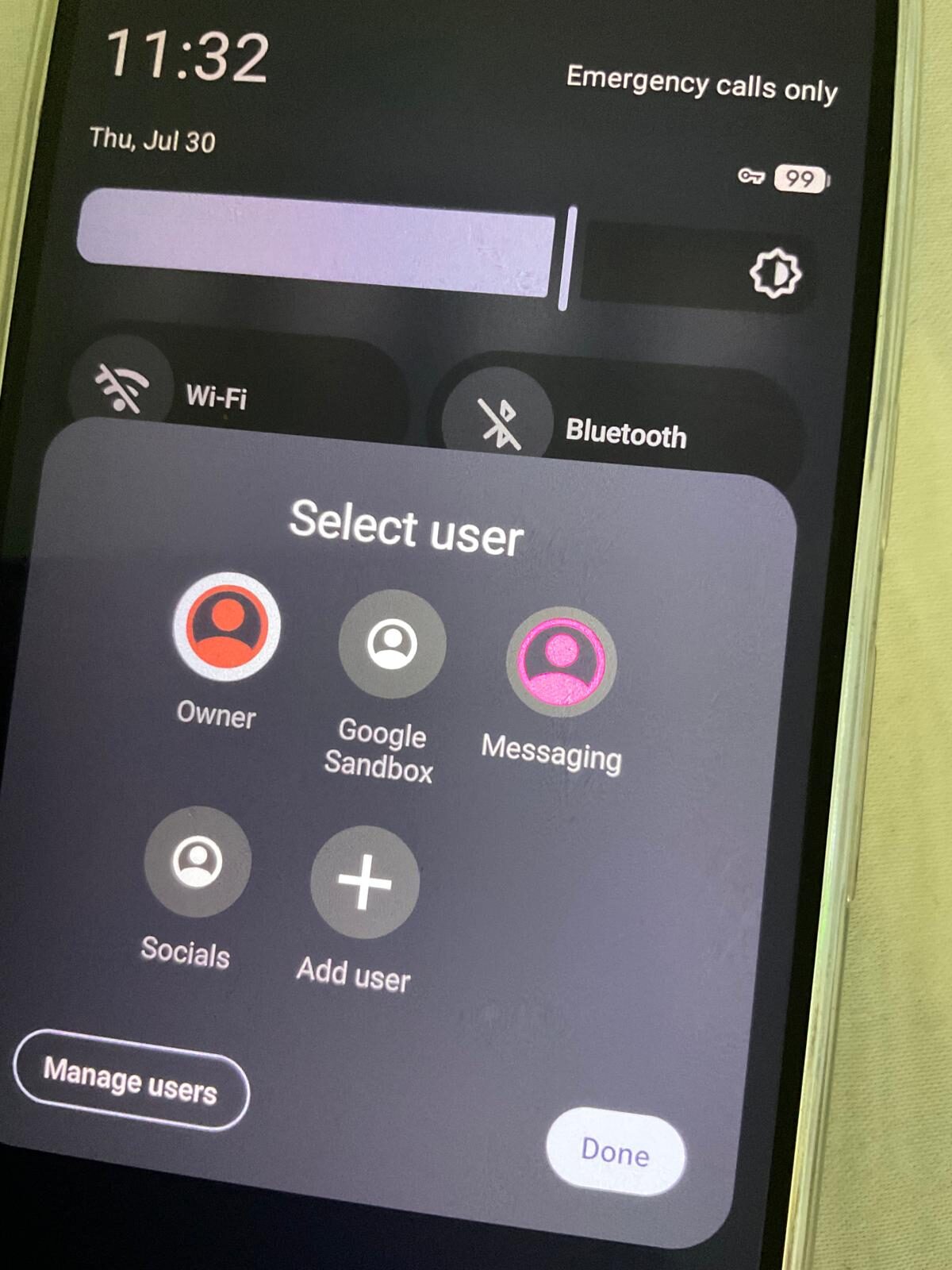
Myth: You cannot use any apps. Reality: Most Android apps work without Google Play Services. Apps can be installed via F-Droid, Aurora Store, or direct APK download. Apps that rely heavily on Google services (some banking apps, Google Maps) may require a sandboxed compatibility layer, which GrapheneOS provides.
Myth: It breaks everything. Reality: Push notifications, in-app purchases, and some location-dependent features may behave differently. But core functionality — calls, messaging, browsing, email, camera, files — works normally. Most users adapt within a day or two.
Usability vs privacy: the balance
A properly configured de-Googled phone is not a crippled device. It is a device where you have made a deliberate choice about what convenience you are willing to trade for control. GrapheneOS provides a sandboxed Google Play compatibility layer that lets you run Google-dependent apps in an isolated environment, without giving Google system-level access.
This is the practical middle ground. You get compatibility where you need it, isolation where it matters, and no passive data collection running underneath.
De-Googled vs GrapheneOS — not the same thing
"De-Googled" describes one property of a phone: Google's apps and services have been removed. It does not, by itself, say anything about the security of the underlying operating system. A stock manufacturer ROM with Google apps stripped out, or a generic custom AOSP build, can be de-Googled without any of the hardening described above — no relocked bootloader, no verified boot, no sandboxing model, no dedicated security patch stream.
GrapheneOS is de-Googled and hardened: the removal of Google is one part of a broader security architecture, not the whole of it. When you're comparing "de-Googled" phones, the question that actually matters for security is not whether Google is gone, but what replaced it.
Ready to buy? See our current picks for the best de-Googled phones in Australia (2026).
De-Googling is not magic anonymity. It is controlled exposure — and it is the foundation of every device we build.
Frequently asked questions
Is "de-Googled" the same as "secure"?
No. De-Googled only means Google's apps and services have been removed. A phone can be de-Googled without any bootloader relocking, verified boot, or sandboxing — those are separate, additional hardening properties that GrapheneOS provides on top of being de-Googled.
Will my everyday apps still work without Google Play Services?
Most apps work normally. Apps that specifically depend on Google Play Services (some banking apps, Google Maps) run through a sandboxed compatibility layer that provides the API surface those apps need without giving Google system-level access.
Does de-Googling make me anonymous?
No. It removes one significant source of passive data collection. Your carrier, ISP, and the services you actively choose to use still have some visibility into your activity — de-Googling is controlled exposure, not invisibility.