GrapheneOS vs LineageOS — same goal, very different answers
Both GrapheneOS and LineageOS strip Google from Android, but they make opposite trade-offs. LineageOS runs on hundreds of devices; GrapheneOS runs only on Pixels — with a hardened kernel, hardware-backed attestation and sandboxed Google Play built in. If your question is "which degoogled Android is more secure?", the evidence points squarely at GrapheneOS.
Shop GrapheneOS Pixel
Configured, tested and dispatched in 1–2 business days.
 Pixel 9A6.3″ · 128GB$1,399AUD Customer reviews
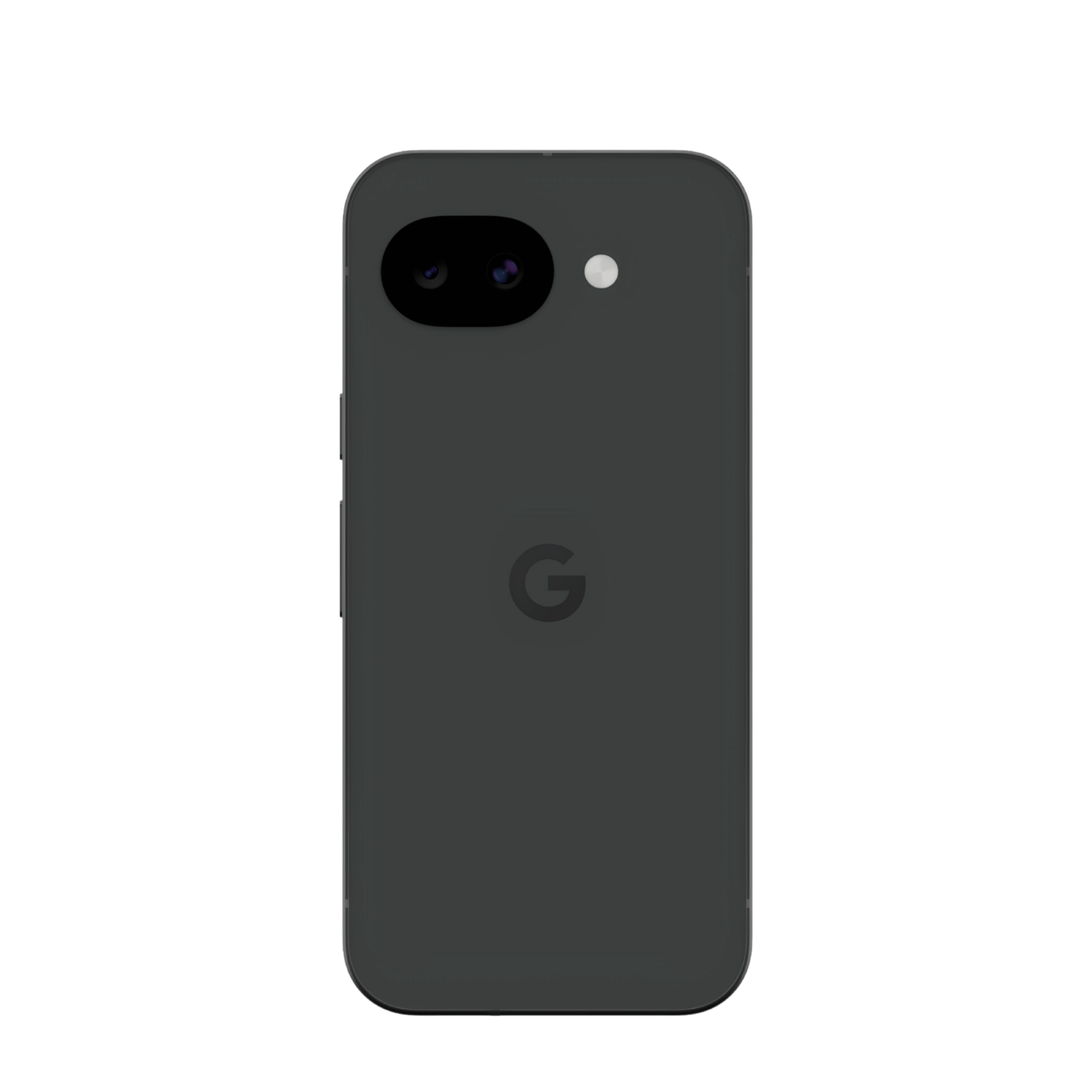 Pixel 10A6.3″ · 128GB$1,550AUD
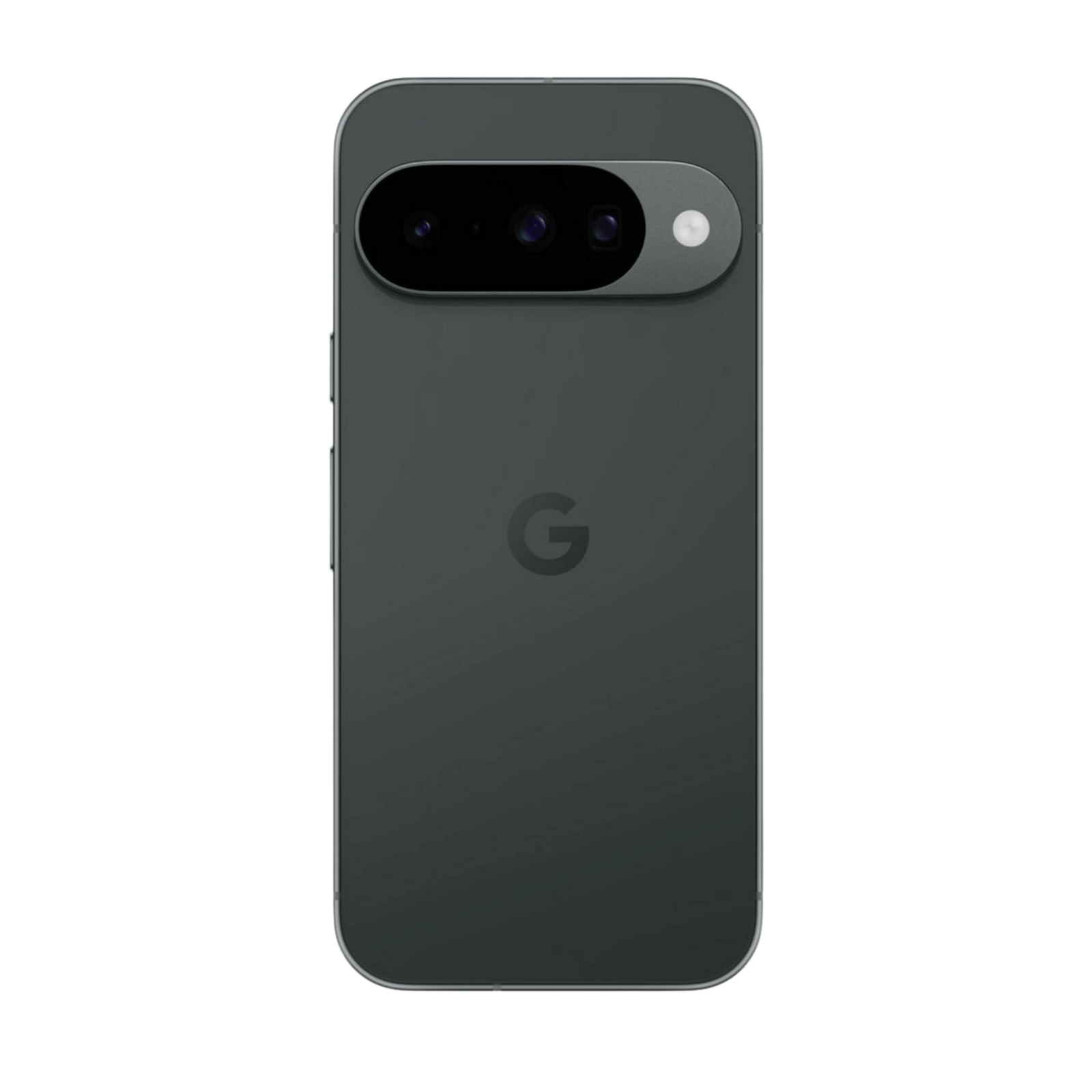 Pixel 106.3″ · 128GB$1,850AUD
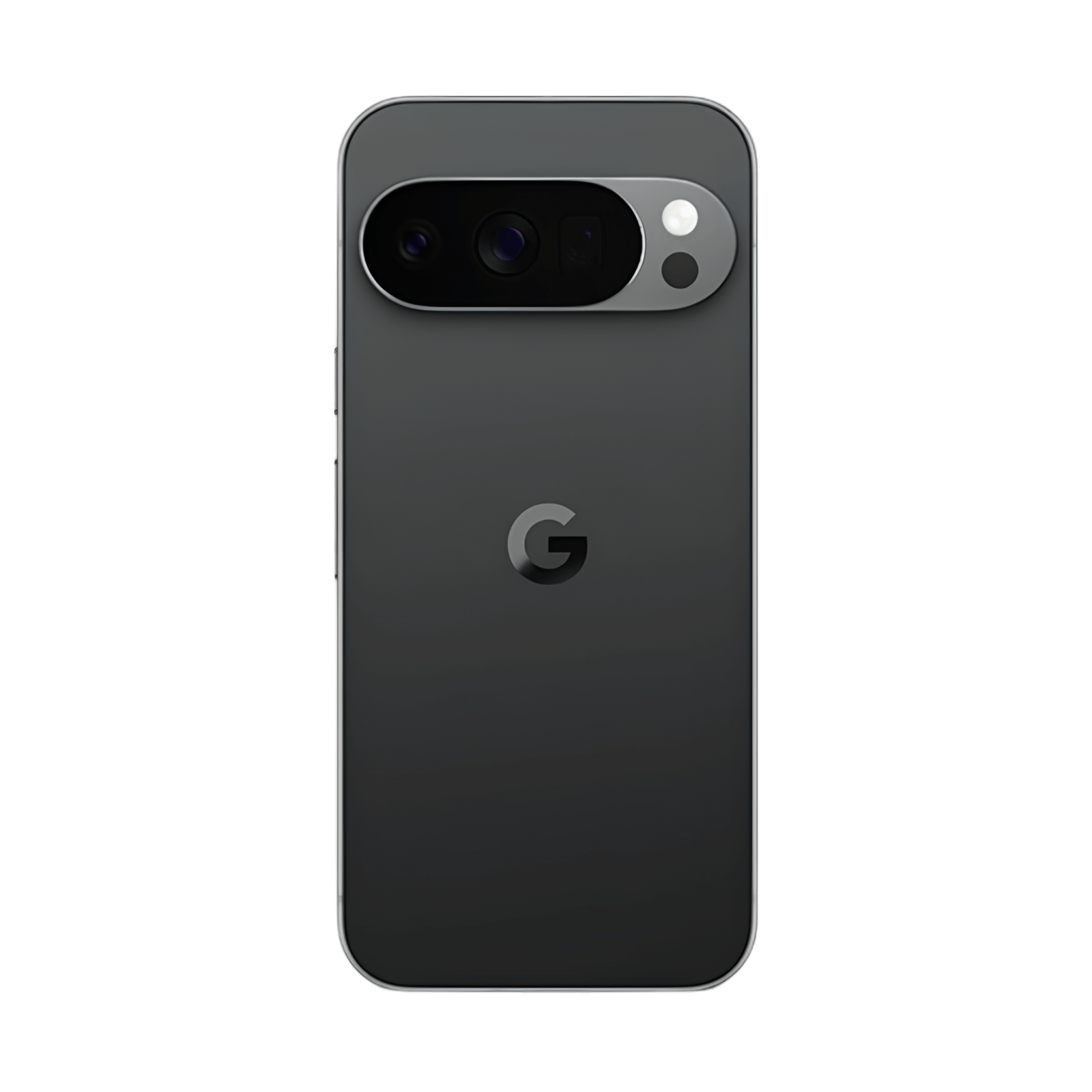 Pixel 10 Pro6.3″ · 128GB$2,289AUD
- Free shipping in Australia, tracked worldwide
- 14-day money-back guarantee
- 12-month warranty
Prepared, not just flashed.
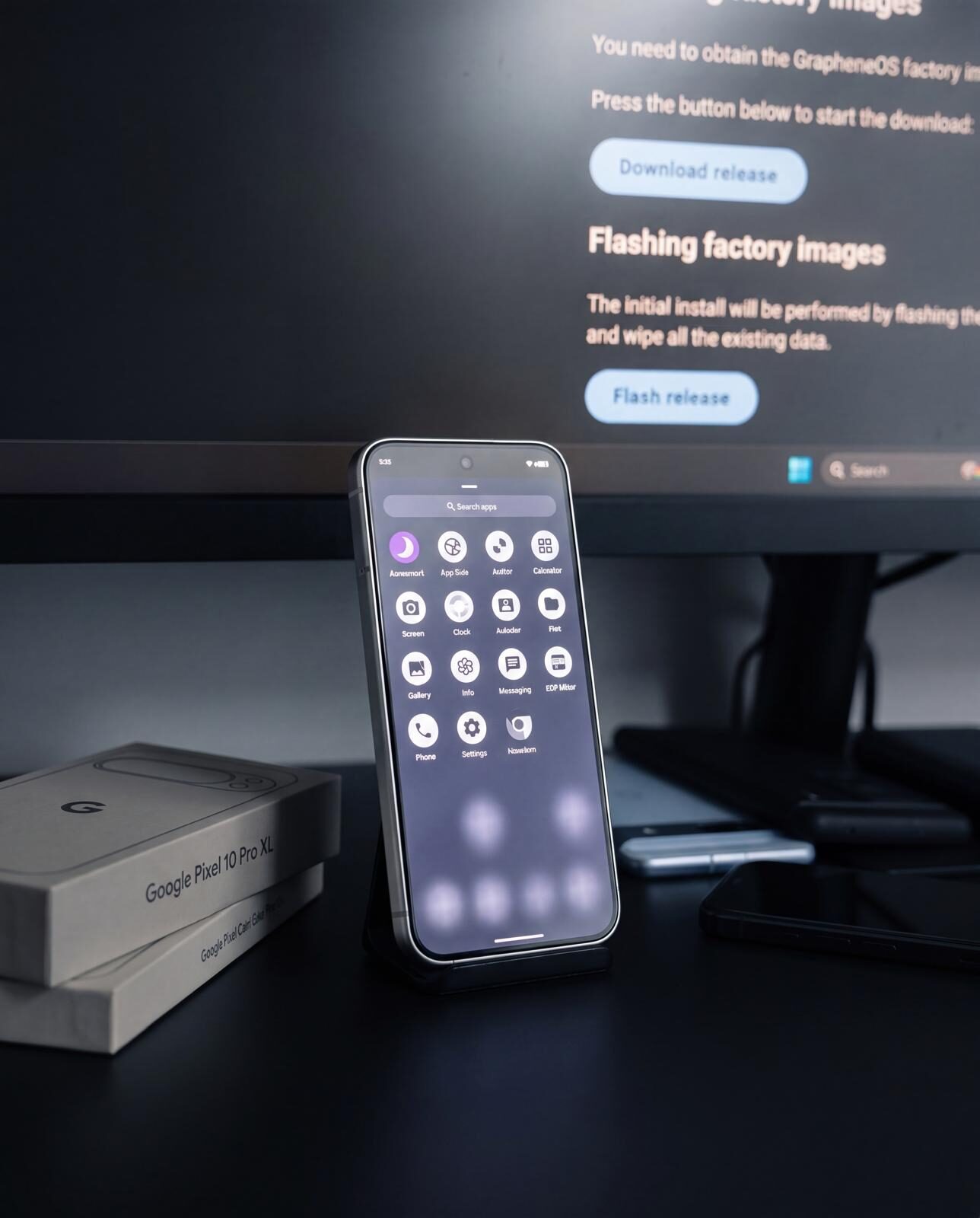
Flashing an OS is the first step. The visible difference is the hardware selection, the provisioning, the verification checks and the packaging that follows — before it reaches the buyer.
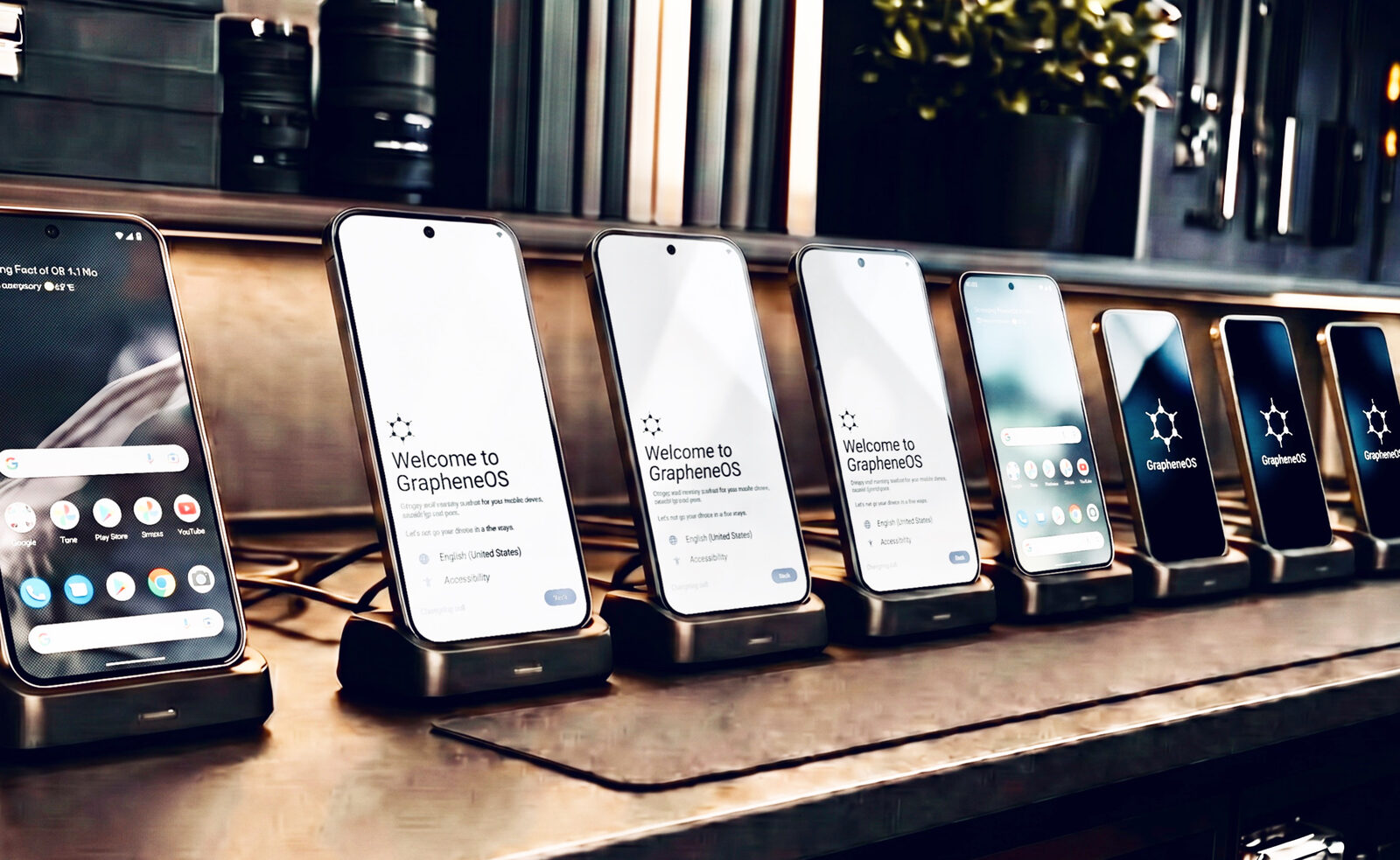
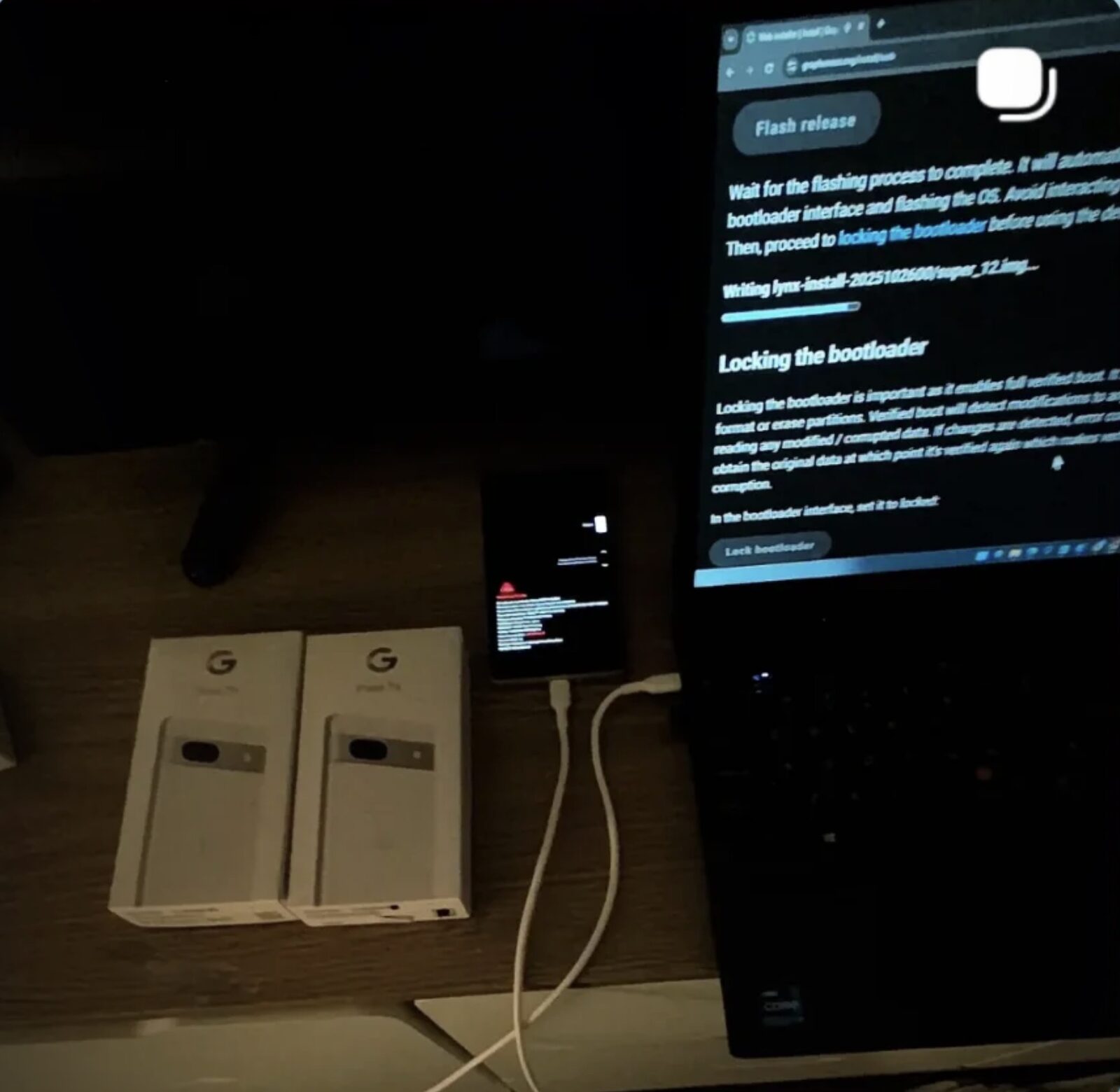
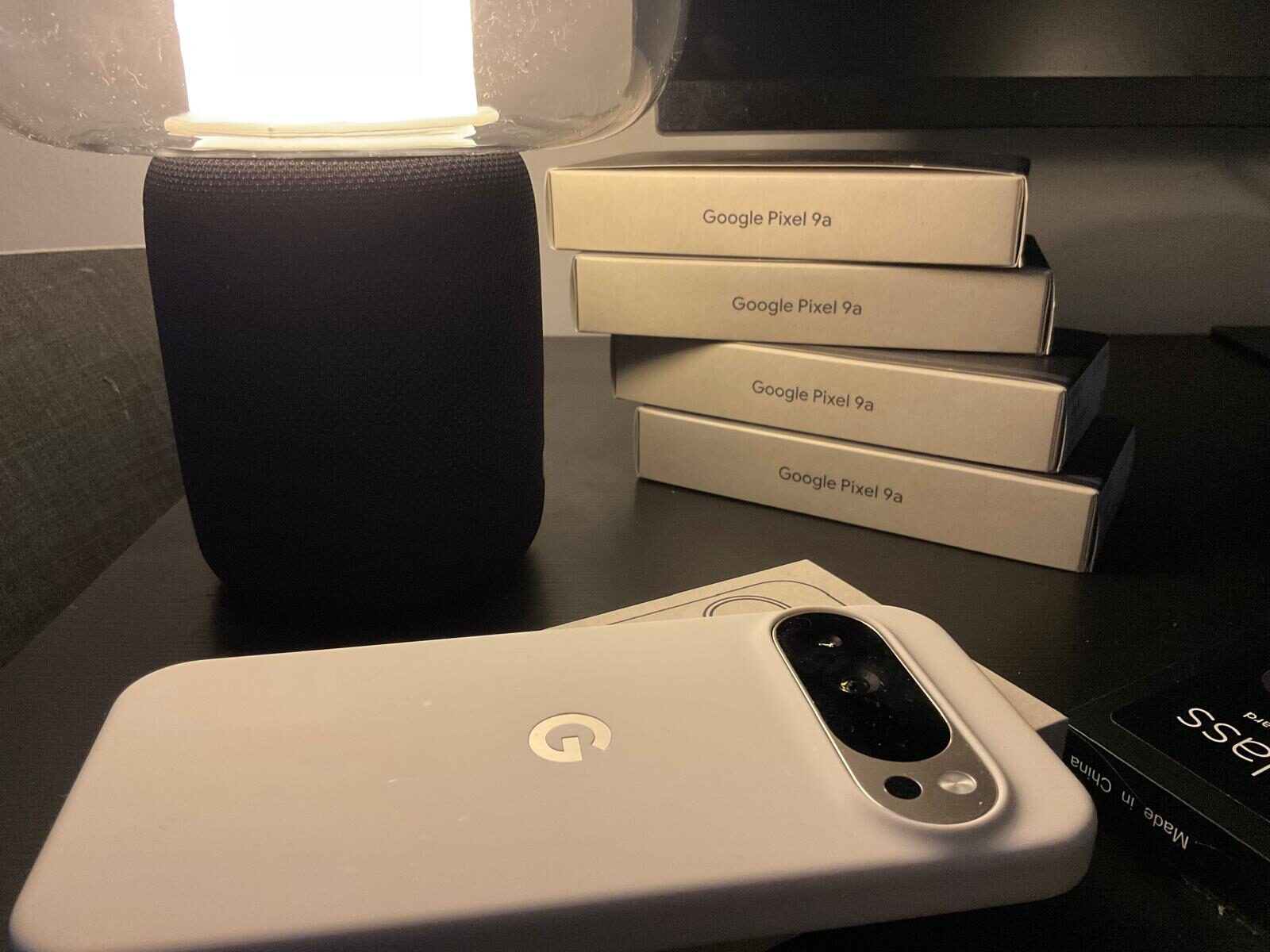
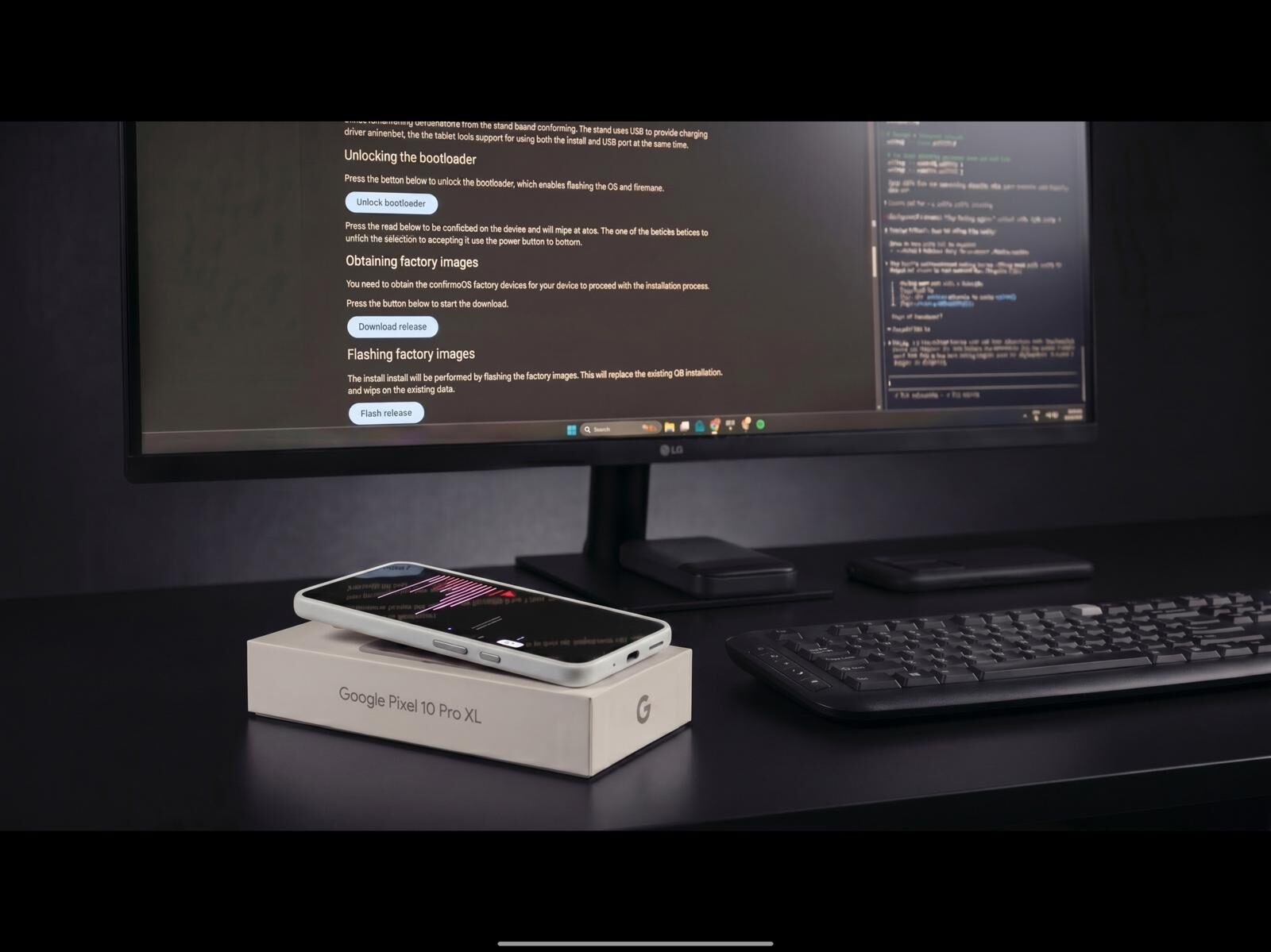
GrapheneOS and LineageOS are both degoogled Android forks — but LineageOS prioritises broad device support and longevity, while GrapheneOS prioritises verifiable security, a hardened kernel, hardware attestation and optional sandboxed Google Play. For anyone with a genuine privacy or security need, GrapheneOS is the stronger choice; for someone who needs to run an unsupported device a few more years, LineageOS is a reasonable fallback.
Last updated 4 November 2026.
GrapheneOS vs LineageOS at a glance
| Property | LineageOS | GrapheneOS |
|---|---|---|
| Supported hardware | Hundreds of devices (community-driven) | Google Pixel only (official support) |
| Hardened kernel + memory allocator | No | Yes (hardened_malloc) |
| Hardware-backed verified boot (re-locked) | No — most builds leave bootloader unlocked | Yes — bootloader re-locked after install |
| Play Integrity / hardware attestation | Cannot pass (unlocked bootloader) | Passes with standard integrity level |
| Sandboxed Google Play (optional) | No — requires microG (spoofs GMS) | Yes — isolated, no special privileges |
| Per-app network firewall | No | Yes |
| Per-app sensor toggle | No | Yes |
| Monthly security patches aligned with AOSP | Varies by device and maintainer | Yes — within days of AOSP drop |
| Duress / remote-wipe layer | No | Phantom Protocol (vendor add-on) |
| Source auditable by security researchers | Yes (open-source) | Yes (open-source) |
| Commercially prepared, ready-to-use | DIY only | Yes — Privacy Devices |
Both projects are open-source. The gap is not transparency — it is the depth of the security hardening and whether the hardware lets you close the boot chain after installing the OS.
What LineageOS does well
LineageOS is a genuinely useful project. Its core value is device longevity: a phone the manufacturer abandoned years ago can keep receiving community-maintained Android builds, with the worst vendor bloat removed and an open-source base anyone can inspect.
For a household device that the original OEM no longer supports, or for someone who cannot afford a newer Pixel, LineageOS is a meaningful upgrade over a stale stock ROM. The community is large, documentation is extensive, and many popular devices have active maintainers.
If the goal is simply "remove as much Google as possible from an older handset I already own", LineageOS is a reasonable answer — provided you understand what it cannot do.
Where LineageOS falls short on security
- The bootloader stays unlocked. Most LineageOS installations leave the bootloader in an unlocked state because the hardware doesn't support re-locking against a custom OS the way Pixels do. That means verified boot — the chain of trust from firmware to OS — is broken. A sophisticated attacker with physical access can tamper with the system partition without the device detecting it.
- No hardware attestation. Because verified boot is broken, the device cannot pass Play Integrity attestation. A growing number of banking apps, payment apps and enterprise tools require a valid attestation result and will refuse to run on LineageOS.
- No sandboxed Play — microG instead. LineageOS users who need Google app compatibility typically add microG, a reimplementation that spoofs the real GMS stack. MicroG runs with elevated system-level hooks and is itself a large, complex dependency — the opposite of running Play in a fully isolated sandbox.
- Patch timing depends on volunteers. LineageOS patches arrive when the device maintainer gets to them. Popular devices are often quick; less popular ones can lag weeks or months behind AOSP. GrapheneOS ships patches within days of the AOSP monthly drop for every supported device.
- No hardened kernel. The GrapheneOS kernel applies additional exploit-mitigation patches beyond AOSP and uses hardened_malloc, a memory allocator designed to make heap exploitation significantly harder. LineageOS carries the standard AOSP or vendor kernel with no equivalent hardening.
What makes GrapheneOS more secure than LineageOS
The GrapheneOS security advantage is structural, not cosmetic. It starts with hardware: Pixel phones expose a mechanism that lets you install an alternative OS and then re-lock the bootloader against it, re-establishing a full verified boot chain from firmware to OS. No other widely available Android phone supports that combination.
On top of that hardware foundation, GrapheneOS adds a hardened kernel with upstream exploit-mitigation patches, the hardened_malloc allocator, stronger W^X enforcement, and a network/sensor permission model finer-grained than stock Android. Sandboxed Google Play runs as an ordinary app in an isolated profile with no special system access — you get app compatibility without giving Google a privileged position on the device.
The result is that a GrapheneOS vs LineageOS comparison isn't really close on the security axis. LineageOS removes Google; GrapheneOS removes Google and hardens what remains. That gap matters most when the threat is a targeted adversary rather than casual data collection.
When each is the right call
LineageOS makes sense if…
You have a device the manufacturer no longer supports, your budget won't stretch to a Pixel, and your goal is primarily de-Googling and software longevity rather than hardened security or hardware attestation. It's a community project, so self-installation and some ongoing maintenance are expected.
GrapheneOS is the right choice if…
You want a verifiably secure OS with a re-locked boot chain, hardware-backed attestation, monthly patches on schedule, and optional sandboxed Google Play — without DIY work. For journalists, executives, legal professionals and anyone with a genuine privacy or security need, GrapheneOS on a Pixel is the standard. See business and executive context.
Privacy Devices prepares GrapheneOS Pixels and ships them ready to use, worldwide. If you're in Australia or New Zealand, see GrapheneOS phones AU and GrapheneOS phones NZ. We also ship to the UK, USA and Canada. Compare models and prices, or talk to us if you're deciding between devices.
Which Pixels support GrapheneOS?
GrapheneOS supports only Google Pixel devices with long-term security updates remaining. These are the current supported models; the official GrapheneOS FAQ is the live source.
| Supported Pixel | Updates until | Our prepared range |
|---|---|---|
| Pixel 10, 10 Pro, 10 Pro XL | Aug 2032 | 10 · 10 Pro · 10 Pro XL |
| Pixel 10 Pro Fold | Oct 2032 | 10 Pro Fold |
| Pixel 10a | Mar 2033 | 10a |
| Pixel 9a | Apr 2032 | 9a |
| Pixel 9, 9 Pro, 9 Pro XL, 9 Pro Fold | Aug 2031 | 9 Pro · 9 Pro XL · 9 Pro Fold |
| Pixel 8, 8 Pro, 8a | Oct 2030 | Supported, not in our current range |
No Samsung, OnePlus, Fairphone or other Android device is officially supported by GrapheneOS. If you're weighing a Pixel 10 versus a Pixel 9, the compare page breaks down the differences.
GrapheneOS vs LineageOS — FAQ
Is GrapheneOS more secure than LineageOS?
Yes, in every measurable structural dimension. GrapheneOS re-locks the bootloader after install (re-establishing a full verified boot chain), uses a hardened kernel with exploit-mitigation patches, runs Google Play in an isolated sandbox, and ships security patches within days of the AOSP monthly drop. LineageOS cannot re-lock the bootloader on most devices, carries the standard AOSP kernel with no extra hardening, relies on microG rather than a true sandbox, and patches on volunteer timelines.
Can LineageOS pass Play Integrity or run banking apps?
Generally no. Because most LineageOS builds leave the bootloader unlocked, the device fails hardware attestation and cannot pass Play Integrity at the DEVICE_INTEGRITY level. Banking apps, payment apps and enterprise tools that require a valid attestation result will refuse to run. A GrapheneOS Pixel passes standard Play Integrity checks because verified boot is intact.
Does LineageOS have sandboxed Google Play?
No. Users who need Google app compatibility typically add microG, a reimplementation of Google Mobile Services that runs with system-level hooks. That is fundamentally different from GrapheneOS's approach, where Google Play is an ordinary isolated app with no special privileges — you get compatibility without granting Google elevated access.
What devices does GrapheneOS support?
Only Google Pixel phones. The current supported range runs from the Pixel 8 and 8 Pro (updates until Oct 2030) through the Pixel 9 family (Aug 2031), 9a (Apr 2032), Pixel 10, 10 Pro and 10 Pro XL (Aug 2032), 10 Pro Fold (Oct 2032) and 10a (Mar 2033). No Samsung, Xiaomi, OnePlus or other brand is supported.
What is hardened_malloc and why does it matter?
hardened_malloc is a memory allocator written for GrapheneOS that is specifically designed to make heap exploitation significantly harder. It uses strong out-of-line metadata, guard pages and randomisation to defeat common attack primitives. LineageOS uses the standard AOSP or vendor allocator, which carries none of these mitigations.
Can I get GrapheneOS pre-installed on a phone?
Yes — that is what Privacy Devices does. We prepare Pixels with GrapheneOS, verify the installation, and ship them ready to use to buyers in Australia, New Zealand, the UK, USA, Canada and other countries worldwide.
Is LineageOS safe enough for everyday use?
For general de-Googling on a device you already own, LineageOS is a meaningful step up from a stale stock ROM. If your concern is targeted surveillance, sensitive communications or a professional environment where attestation matters, the structural gaps — unlocked bootloader, no kernel hardening, no sandboxed Play — make it a poor fit. GrapheneOS was built specifically for that level of requirement.
Hardened security, out of the box.
GrapheneOS on a Pixel — prepared, verified and shipped worldwide. No DIY required.
Browse Devices → Talk to Us