Device seizure preparation — calm, lawful, and done early.
A phone can leave your control in ordinary ways — lost, stolen, or lawfully seized as part of a process. This guide is about sensible, lawful preparation for that possibility: keeping less on the device, maintaining good backups, and understanding your options. It is not about obstructing anyone or destroying anything.
Prepared for the moment it matters.
Legal, seizure and warranty pages need calm proof: what is checked, what is supported, and what the device can realistically do.
This guide covers lawful preparedness and data hygiene — the same discipline any organisation applies to sensitive information. It is not guidance on destroying material relevant to a legal process or obstructing officials, which can be serious offences. If you are facing a specific legal situation, speak to a qualified lawyer. Nothing here is legal advice.
The three ways a device leaves your control
Preparation is easier when you name the cases plainly. A device can be lost or stolen — the most common scenario by far. It can be lawfully seized as part of an investigation, generally under a warrant or defined power (see phone search powers in Australia). And it can be examined at a border, which is its own regime — covered in border-crossing preparation. The good news is that the preparation for all three overlaps almost entirely, and all of it is ordinary and lawful.

Prepare in advance — before anything happens
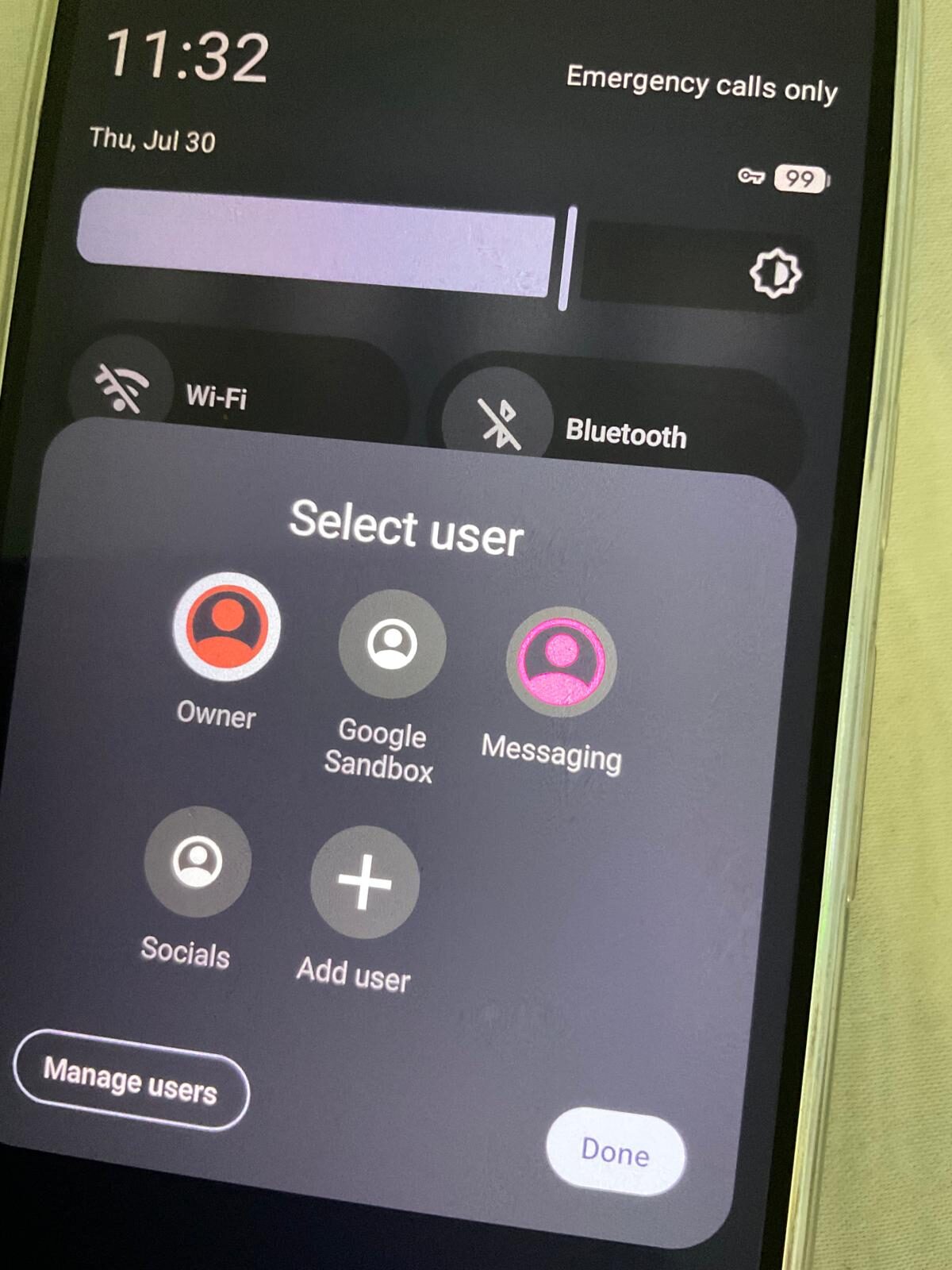
- Carry less. The less sensitive data lives on the device day to day, the less is ever at stake. Profile separation keeps your most sensitive material off the surfaces most likely to be reached.
- Keep current backups in a secure location, so losing a device costs you access, not your data — and so minimising what is on the phone is painless.
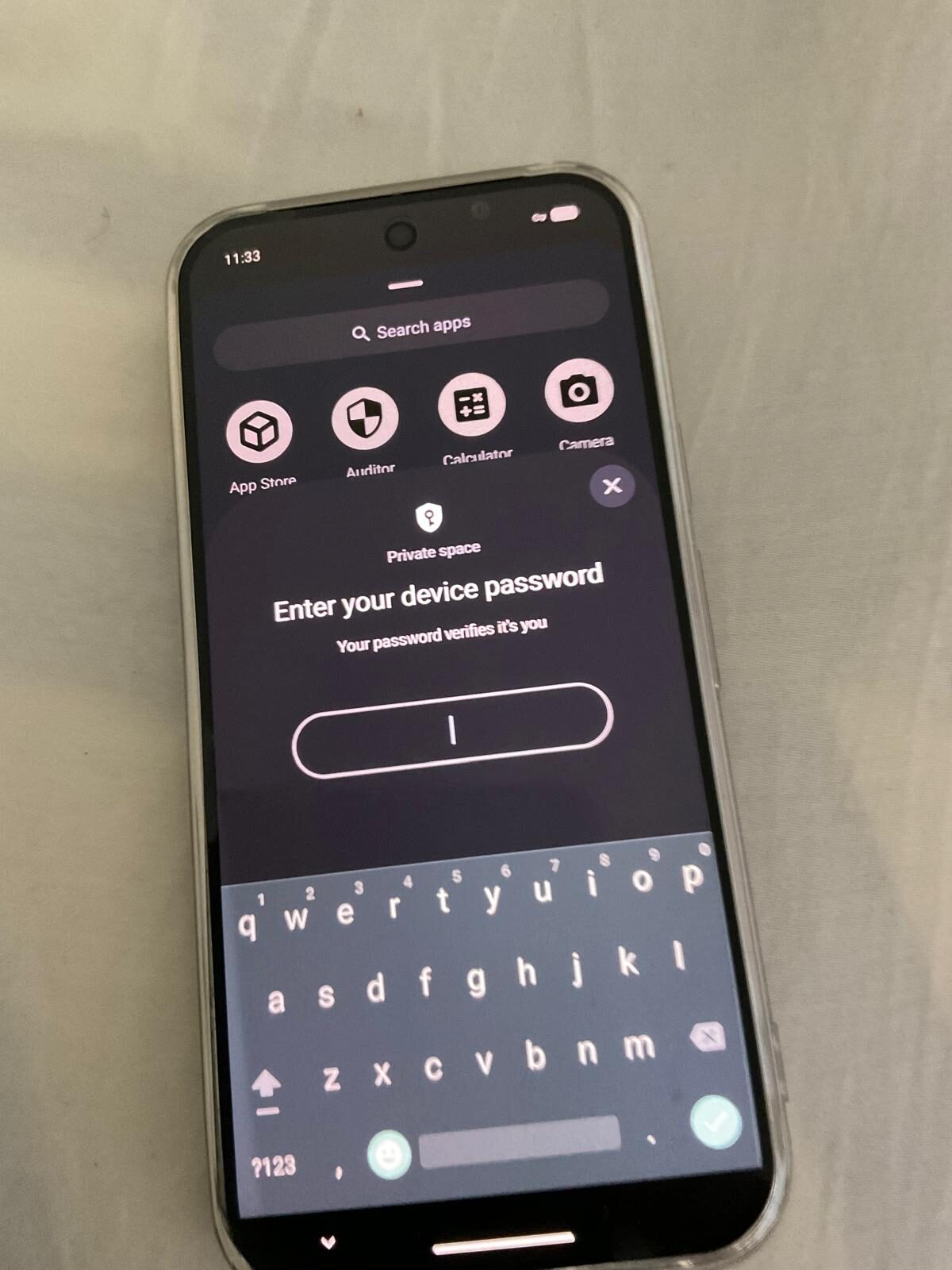
- Use strong encryption and a strong passcode. Full-disk encryption with a long passcode is the foundation; biometrics are convenient but consider when you want them disabled.
- Enable auto-reboot. An idle device returns itself to the fully-encrypted before-first-unlock state, where data is far harder to extract.
- Understand your duress and remote-wipe options. Phantom Protocol provides a duress PIN, decoy profiles, and remote wipe via a trusted contact. These are lawful preparedness features; whether and how to use any of them in a given situation is a personal and legal judgement, and you should understand the law before relying on them.
If a device is lost or stolen
This is the everyday case, and preparation pays off immediately. A device in the fully-encrypted state is of little use to an opportunistic thief. Remote wipe via a trusted contact lets you close it out. Because your data already exists in a secure backup, you restore to a replacement device and carry on. The loss becomes an inconvenience rather than a breach.
If a device is lawfully seized
If a device is seized under a warrant or other lawful authority, the right posture is to stay calm, be courteous, and not destroy anything or obstruct the process — doing so can be a serious offence in its own right. Preparation here is entirely about what you did beforehand: a device that already carried minimal data, in a strongly-encrypted state, simply exposes less. Any decision about cooperation, passcodes, or assistance orders is a legal matter for you and your lawyer — see phone search powers in Australia for the framework, and get advice for your circumstances.
Afterwards
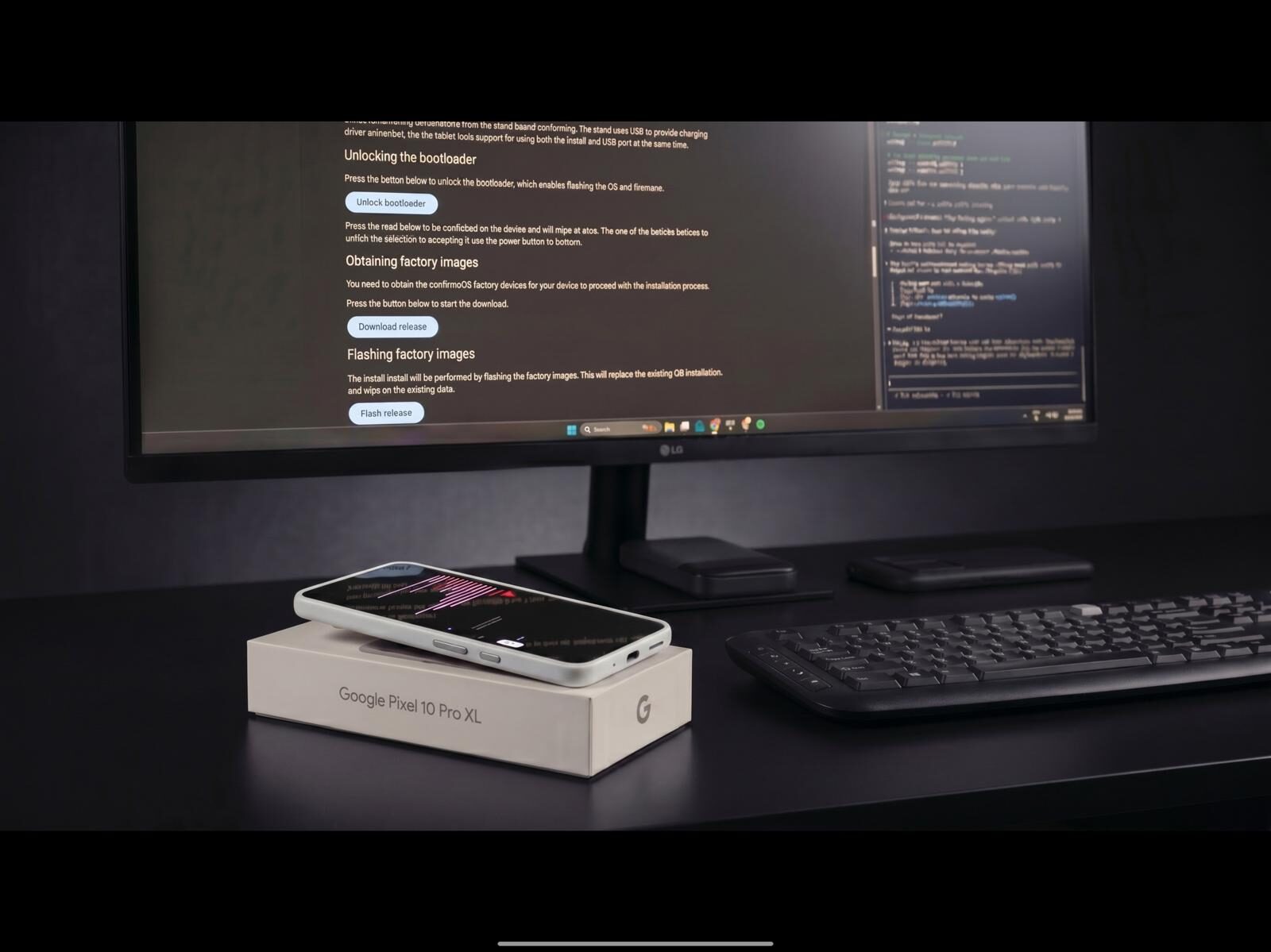
However a device leaves your control, treat any returned or replacement device deliberately. Rotate credentials that lived on the old device. Restore from your secure backup to a known-good device. If a device was out of your hands and returned, consider a fresh GrapheneOS install before trusting it again. The throughline is continuity: you decide what goes back on, and when.
Device seizure preparation — FAQ
What happens if my phone is seized?
If a device is seized under lawful authority, it is examined as part of that process. What you can control is the preparation done beforehand — minimal data on the device and a strongly-encrypted state mean less is exposed. Decisions about passcodes or assistance orders are legal matters; consult a qualified lawyer. This is general information, not legal advice.
Can I wipe a phone that has been seized?
No — once a device has been lawfully seized, attempting to remotely wipe or destroy it can be a serious offence (such as destroying evidence or obstruction). This guide is about lawful preparation beforehand — carrying less and keeping the device encrypted — not about acting against a device already in a legal process. If you are in this situation, speak to a lawyer immediately.
What is the before-first-unlock (BFU) state and why does it matter?
BFU is the state a device is in after a reboot but before the first passcode entry — the disk-encryption keys are not loaded into memory, so the data is far more resistant to extraction. Powering a device down, or using a short auto-reboot interval, keeps it in this stronger state when it is most likely to leave your control.
Should I keep a backup in case my device is taken?
Yes. A current, secure backup means that losing access to a device costs you the hardware, not your data — and it makes minimising what lives on the phone painless, since anything important is safely stored elsewhere. Restore to a replacement and carry on.
Is preparing for device seizure legal?
Preparing in advance — minimising data, using encryption, keeping backups, and enabling auto-reboot — is ordinary, lawful device management. What is not lawful is destroying material relevant to a legal process or obstructing officials. The distinction is between sensible preparation before any event and acting against a device already in a legal process. For your situation, consult a qualified lawyer.
Readiness is preparation, not reaction.
We configure a lawful, sensible readiness posture with you — minimal exposure, strong encryption, good backups, and an understanding of your options.
Book a Consultation → Executive Secure PhonesImportant. This guide provides general, lawful preparedness and data-hygiene information. It is not legal advice and does not encourage destroying material relevant to any legal process, obstructing officials, or interfering with a lawfully seized device — which can be serious offences. Powers and obligations differ by jurisdiction and change over time. For your specific situation, consult a qualified Australian lawyer.