GrapheneOS vs /e/OS (Murena)
Both are de-googled Android operating systems — but they aim at different things. /e/OS (by Murena) prioritises a familiar, ready-to-use experience across many devices with a built-in app store and cloud. GrapheneOS prioritises hardened security and privacy on a narrow, carefully-chosen set of Pixel hardware. Here is the honest comparison, and who each one suits.
Judge the handover.
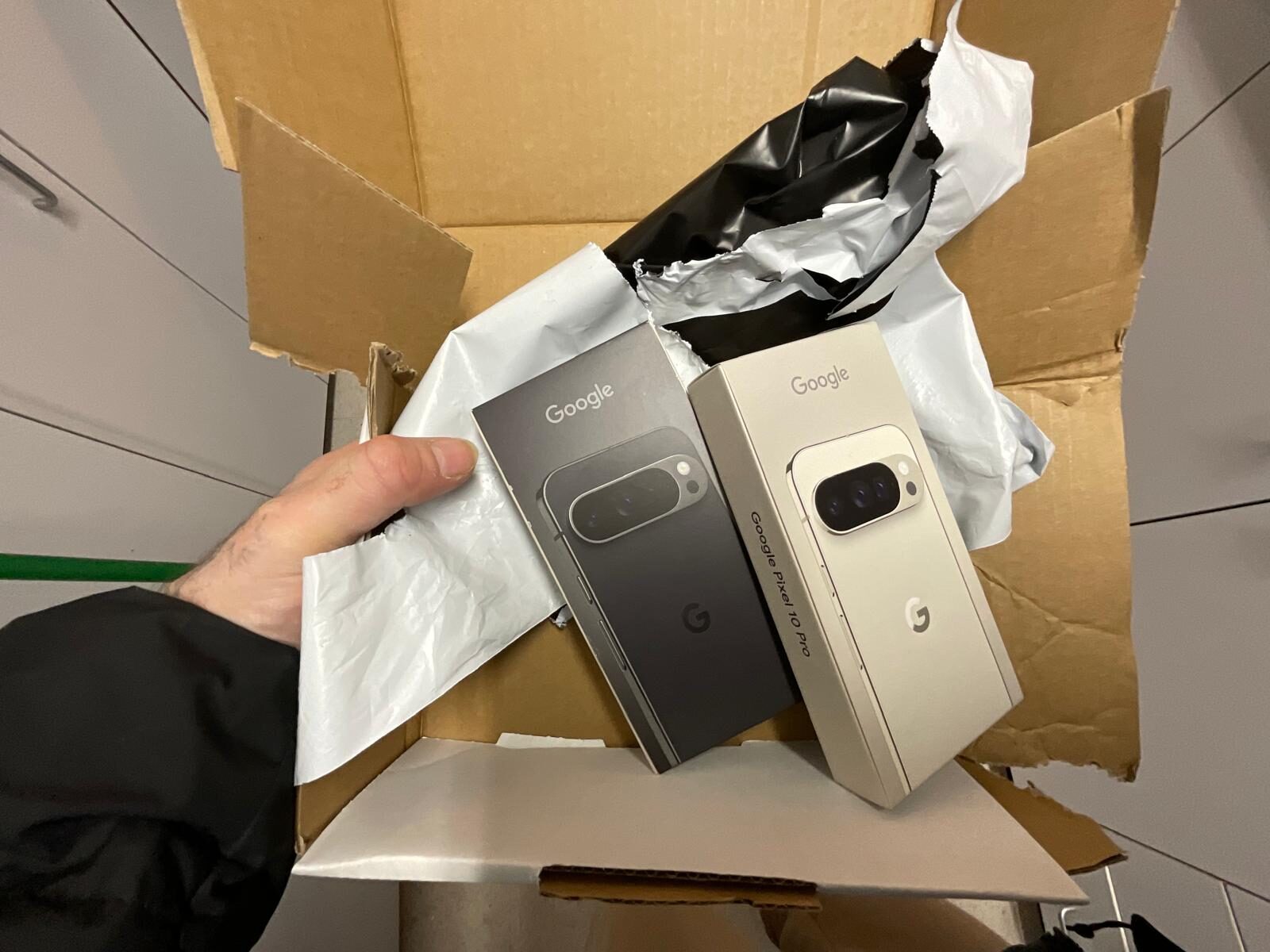
Most sellers can talk about GrapheneOS. The visible difference is the prepared hardware, the provisioning work, the checks and the packaging before it reaches the buyer.

If your priority is the strongest security and privacy and you are happy on a Pixel, GrapheneOS is the clear choice. If your priority is a turnkey de-googled experience with a built-in app store and cloud across a wider range of (often older or cheaper) phones, /e/OS is a reasonable fit. They are both genuine de-googling projects; they make different trade-offs between hardening and convenience.
At a glance
| GrapheneOS | /e/OS (Murena) | |
|---|---|---|
| Primary goal | Maximum security & privacy hardening | Familiar, convenient de-googled experience |
| Hardware | Google Pixel only (for the security foundation) | Wide range, including many older/cheaper devices |
| Security hardening | Extensive — hardened memory allocator, exploit mitigations, strict permissions | Closer to standard Android; less hardening focus |
| Google services | Optional sandboxed Google Play, no system privileges | microG (re-implementation) by default, optional |
| Verified boot | Verified boot relocked with custom keys | Varies by device; often weaker |
| App compatibility | Very high via sandboxed Google Play | Good via microG; some apps fussier without full Play |
| Built-in cloud/app store | No bundled cloud; you choose app sources | Murena app store & optional Murena cloud |
| Best for | Security-first users, executives, professionals | Easy switchers wanting de-googling on varied hardware |
Summary as of 2026; both projects evolve. The headline difference — hardening depth and hardware scope — is stable.
Security: where GrapheneOS leads
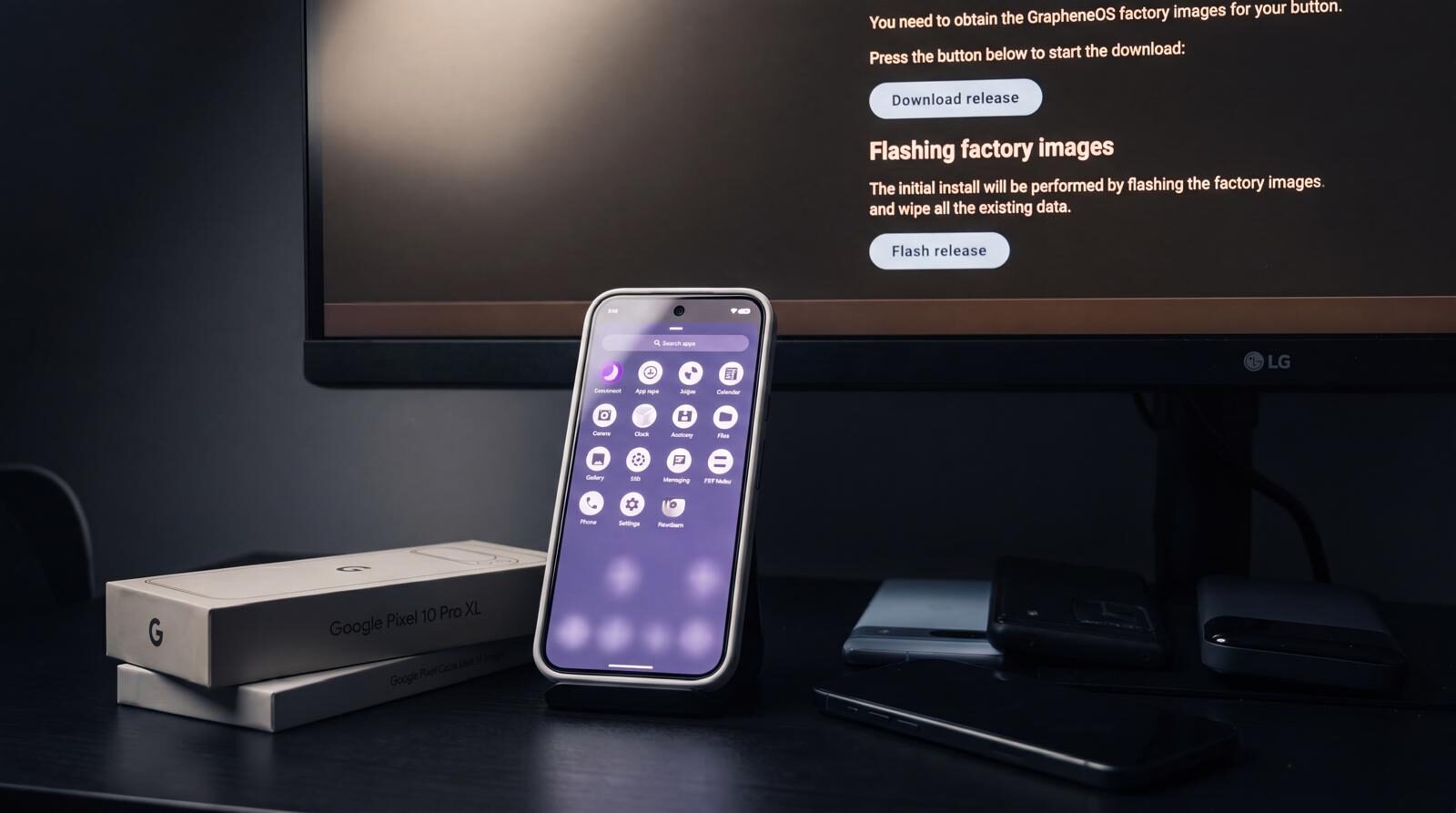
GrapheneOS is, first and foremost, a security project. It ships substantial hardening on top of de-googling: a hardened memory allocator, additional exploit mitigations, tighter permission controls (including network and sensor toggles per app), and verified boot relocked with its own keys on supported Pixels. /e/OS is genuinely privacy-minded — it strips Google and routes services through microG — but it does not pursue the same depth of OS hardening, and it runs on a broad device range where the underlying hardware security varies. If your threat model includes targeted attacks, spyware, or device seizure, that hardening gap matters.
Convenience & hardware: where /e/OS appeals
/e/OS is built to be easy. It looks and feels like familiar Android, includes the Murena app store and an optional cloud for mail, calendar and storage, and supports a wide catalogue of devices — including older and cheaper phones that GrapheneOS does not target. For someone who wants to de-google an existing handset without buying a Pixel, or who values a turnkey experience over maximum hardening, /e/OS is a sensible option. The trade-off is the security depth and the variable hardware foundation described above.
App compatibility
This is where many switchers worry. GrapheneOS uses sandboxed Google Play — the real Play Store and Play Services running with no special privileges — which gives very high compatibility, including most Australian banking apps (see banking app compatibility). /e/OS relies on microG, an open re-implementation of Google services; it works well for many apps but some that demand full Play integrity can be more temperamental. For everyday use both are workable; for strict banking and attestation-heavy apps, GrapheneOS with sandboxed Play tends to be smoother.
Which should you choose?
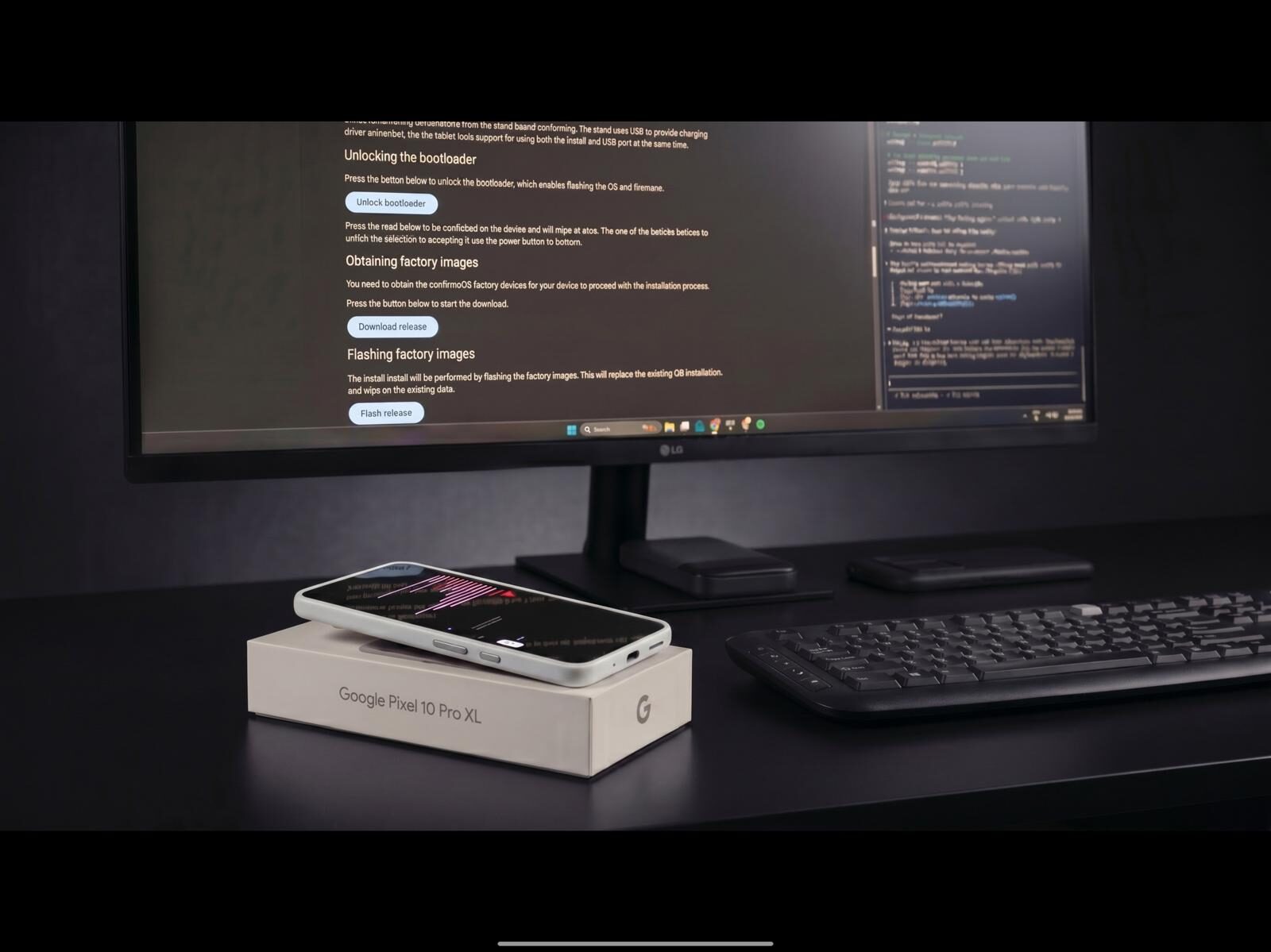
Choose GrapheneOS if security and privacy are the priority, you want the strongest hardening and app compatibility, and you are comfortable on a Pixel — see GrapheneOS phone Australia. Choose /e/OS if you want an easy, familiar de-googled experience with a built-in store and cloud, especially on hardware outside the Pixel line. For how GrapheneOS compares to its closest hardened sibling, see GrapheneOS vs CalyxOS vs LineageOS. If you would rather not flash anything yourself, we ship Pixels with GrapheneOS prepared and tested — see prepared vs DIY flashing, backed by a 12-month warranty.
GrapheneOS vs /e/OS — FAQ
Is GrapheneOS more private than /e/OS?
Both de-google Android, but GrapheneOS goes further on security hardening — a hardened memory allocator, extra exploit mitigations, per-app network and sensor controls, and verified boot relocked on Pixel hardware. /e/OS focuses more on a convenient, familiar de-googled experience. For the strongest privacy and security posture, GrapheneOS leads.
What is the main difference between GrapheneOS and /e/OS?
GrapheneOS prioritises maximum security on a narrow set of Pixel hardware, with optional sandboxed Google Play. /e/OS prioritises a turnkey de-googled experience across a wide range of devices, using microG and an optional built-in store and cloud.
Does /e/OS use Google services?
Not directly. /e/OS uses microG, an open-source re-implementation of Google services, rather than Google's own code. GrapheneOS instead offers optional sandboxed Google Play that runs with no special system privileges.
Which has better app compatibility?
GrapheneOS generally has higher compatibility because sandboxed Google Play is the real Play Services. /e/OS works well for many apps via microG, but some attestation-heavy apps such as certain banking apps can be more temperamental.
Can I run /e/OS on a Pixel and GrapheneOS on other phones?
You can run /e/OS on many devices including some Pixels, but GrapheneOS runs only on supported Google Pixels, because it relies on that hardware's security features. If you are not on a Pixel, GrapheneOS is not an option.
Which should I buy in Australia?
If security and app compatibility matter most, choose a GrapheneOS Pixel — we prepare and ship them ready to use. If you want an easy de-googled experience on varied or older hardware, /e/OS is worth considering. See our GrapheneOS phone Australia page.
Want the hardened option, ready to go?
We ship Google Pixels with GrapheneOS installed, configured and tested — no flashing required. 12-month warranty. Crypto accepted.
Browse Prepared Devices → What is GrapheneOS?