Privacy eSIM Australia — mobile data without tying it to your identity.
Every time your phone connects to a mobile network, it announces an identifier tied to your SIM. In Australia, every physical SIM is registered to a verified identity. A privacy eSIM changes what that identifier is and who it is linked to — reducing exposure at the carrier level, especially when combined with a VPN.
Provisioned, not promised.
VPN, eSIM and private payment only matter when they are installed, keyed and tested on the device before dispatch.
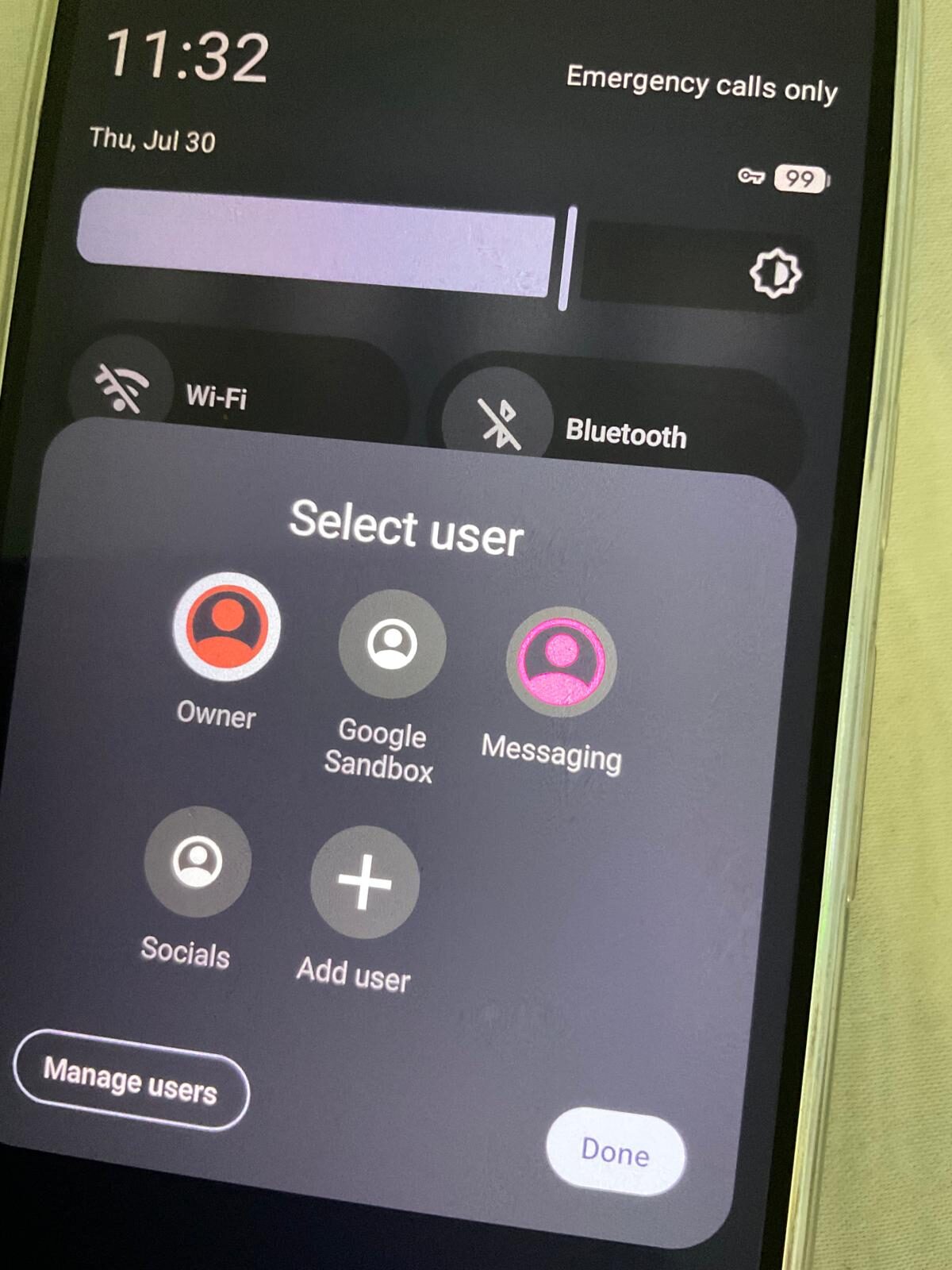
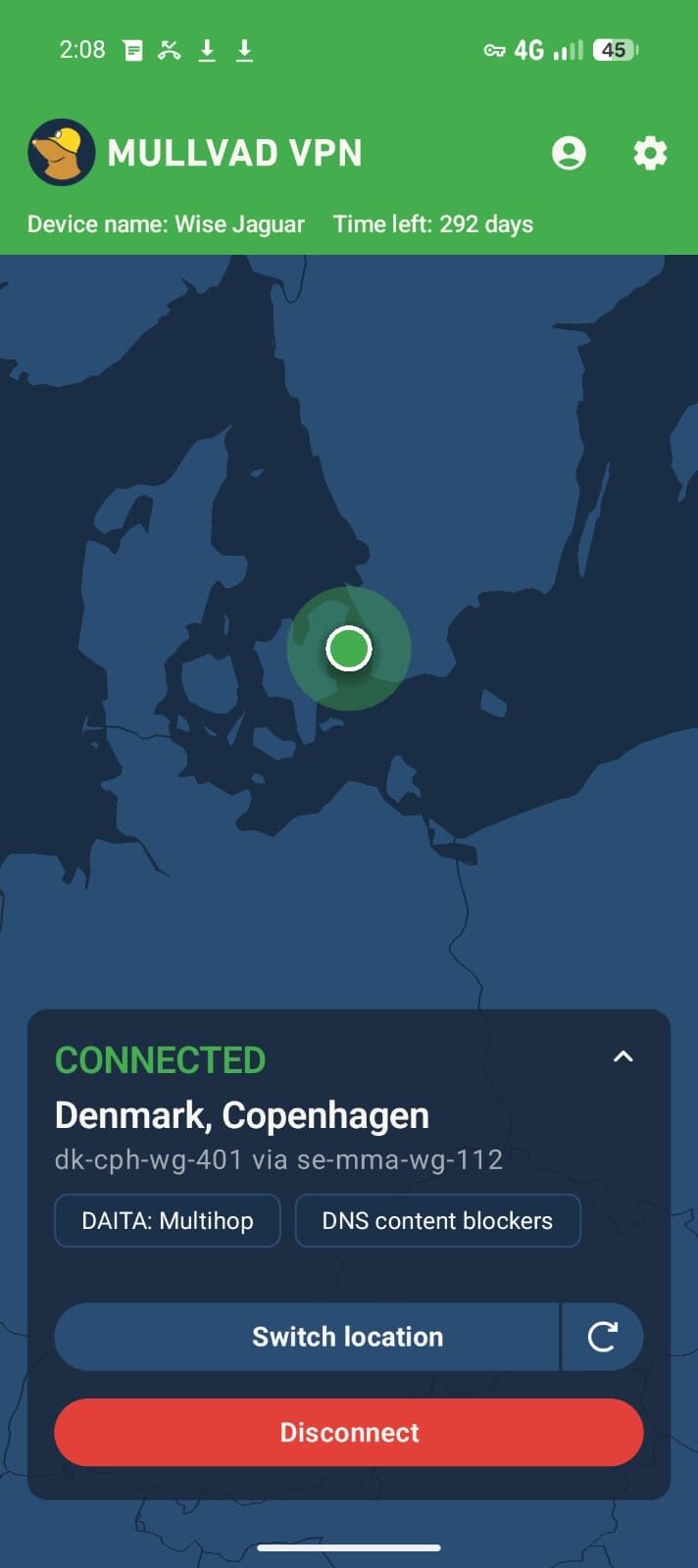
The difference between a physical SIM, an eSIM, and a privacy eSIM — what data each carries, what Australian carriers collect, which providers give you the most separation, and how to configure an eSIM on GrapheneOS with always-on VPN.
SIM, eSIM, and privacy eSIM — what is actually different
Physical SIM (standard)
A physical SIM is a small card that identifies your device to the carrier's network. In Australia, under the Communications Legislation Amendment (SIM Cards) Act 2020, every SIM must be registered to a verified identity — your name, address, and ID document. The carrier links your phone's movements (tower connections) to that identity indefinitely. If you have had the same Australian number for years, your carrier has years of location history linked to your verified identity.
Beyond location, Australian carriers are subject to data retention obligations under the Telecommunications (Interception and Access) Act — metadata (who you called, when, how long, from where) must be retained for two years and is available to law enforcement without a warrant in many circumstances.
Standard eSIM
An eSIM (embedded SIM) is a SIM profile stored in software rather than a physical card. It works identically to a physical SIM from the carrier's perspective — same registration requirements, same data collection, same obligations. Moving from a physical SIM to an eSIM on the same carrier changes nothing about your privacy posture.
Privacy eSIM (global data)
A privacy eSIM is a data eSIM from a provider that operates under different registration requirements — typically a global data provider that issues SIMs against an account, not a verified Australian identity. The carrier layer sees a foreign-registered SIM rather than one tied to your personal identity. Combined with a VPN, the content of your traffic is also encrypted, so neither the carrier nor a network observer can read what you are doing. This is also why a data-only privacy eSIM is the practical core of a burner phone alternative in Australia — it delivers the clean, separate line a throwaway handset is supposed to, without an ID-registered SIM.
This is not anonymity — a network operator can still see which tower your device connects to and log the SIM's IMSI. It is a reduction in linkability: the identifier visible to the carrier is not directly tied to your Australian identity and carrier history.
What Australian carriers collect and why it matters
Under Australian law, telcos retain:
- The source number and destination number of every call and SMS
- Call duration and timing
- Your location (cell tower) at the time of each call
- For data sessions: the date, time, duration, volume, and the IP address assigned to your session
This metadata is retained for two years and accessible to over 20 government agencies without a warrant in certain circumstances, under the data retention scheme introduced in 2015. The content of calls and messages is separately subject to warrants, but the metadata itself is collected and retained as a matter of routine.
A privacy eSIM moves your data traffic away from your primary Australian identity. Your home number — the one your contacts know, the one linked to your Medicare card, driver's licence, and bank — continues to exist on a physical SIM or a standard eSIM for calls and regular SMS. The privacy eSIM handles data traffic separately. That same identity — Medicare, licence, bank — is also the thread running through Australian digital ID privacy, worth reading alongside this if you're reducing identity exposure more broadly.
How a privacy eSIM is used in practice
Modern Pixel phones (Pixel 7 and later) support dual-SIM with eSIM. The configuration we recommend:
- Physical SIM or standard eSIM on your Australian number — for calls, SMS, and contacts. This SIM does not need to carry data traffic.
- Privacy eSIM for data — all internet traffic routes through the privacy eSIM, then through the VPN tunnel.
- GrapheneOS data preference setting configured to prefer the privacy eSIM for data.
- Always-on VPN on top — Mullvad encrypts the traffic that travels over the privacy eSIM, so even the eSIM provider only sees encrypted tunnel traffic.
The result: your calls use your regular number (normal carrier relationship), but your internet traffic moves through a separate carrier identity that is not registered to you, and is encrypted before it reaches that carrier.
eSIM providers — what to look for
Not all eSIM providers are meaningfully more private than a standard carrier. The relevant criteria:
- No Australian identity registration requirement. The registration process should not demand an Australian ID document. Account-based or anonymous purchase is the goal.
- Minimal account data at sign-up. Email-only or account-number-only is preferable to name + payment identity.
- Global coverage with Australian network access. For AU residents, the eSIM needs to connect to local networks (via roaming) at reasonable rates.
- Clear data retention and logging policy. What does the provider keep, for how long, and under what jurisdiction's law?
We have evaluated and selected the eSIM providers available in our software shop against these criteria. The available options include global data eSIMs with coverage across Australia and international destinations, purchased against a minimal-identity account rather than a verified name and address.
Configuring an eSIM on GrapheneOS
GrapheneOS has full eSIM support on all supported Pixel models (Pixel 6 and later). The process:
- Receive your eSIM activation QR code from your provider (usually by email or directly on purchase)
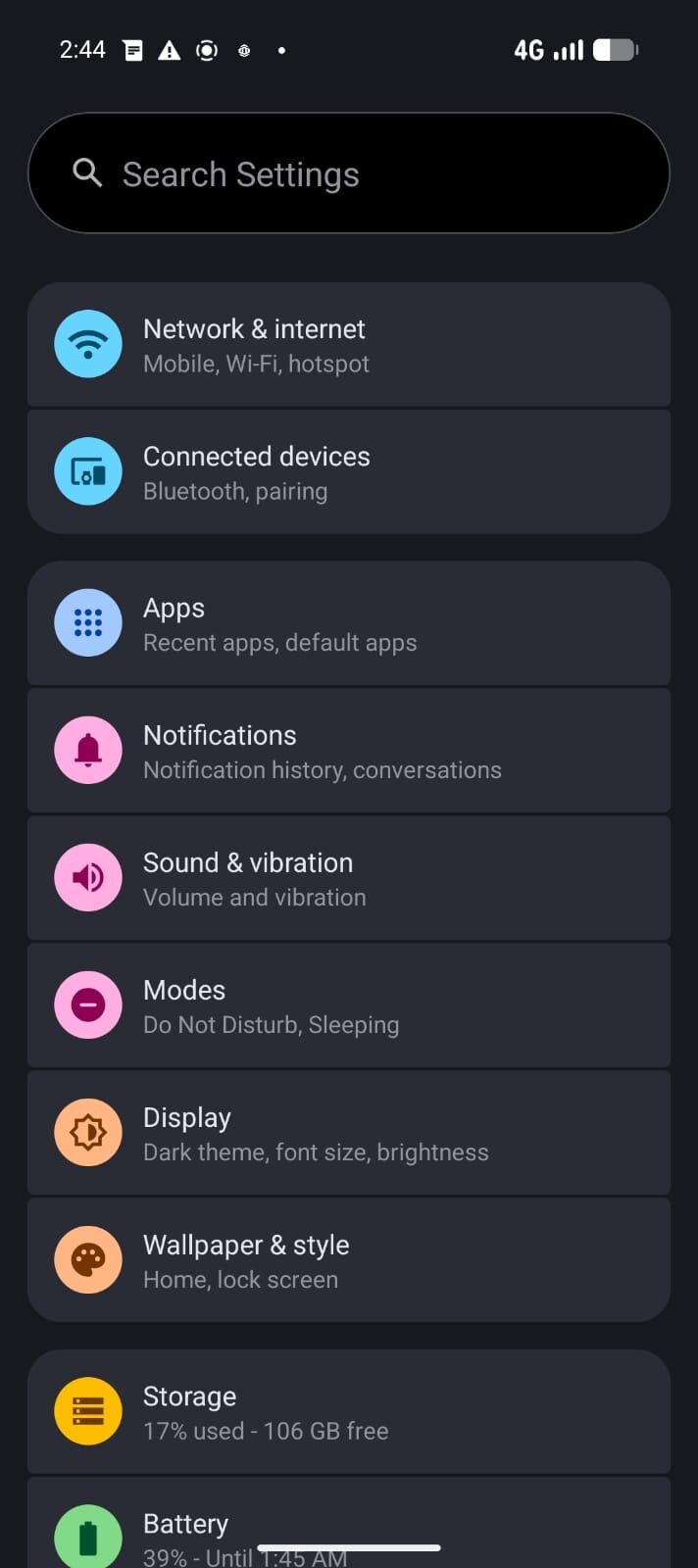
- Go to Settings → Network & internet → SIMs → Add SIM
- Scan the QR code
- The eSIM profile installs (30–60 seconds)
- Set the eSIM as your preferred data SIM: Settings → Network & internet → SIMs → [eSIM name] → Use SIM for data
- Confirm Mullvad VPN is still active with always-on enabled
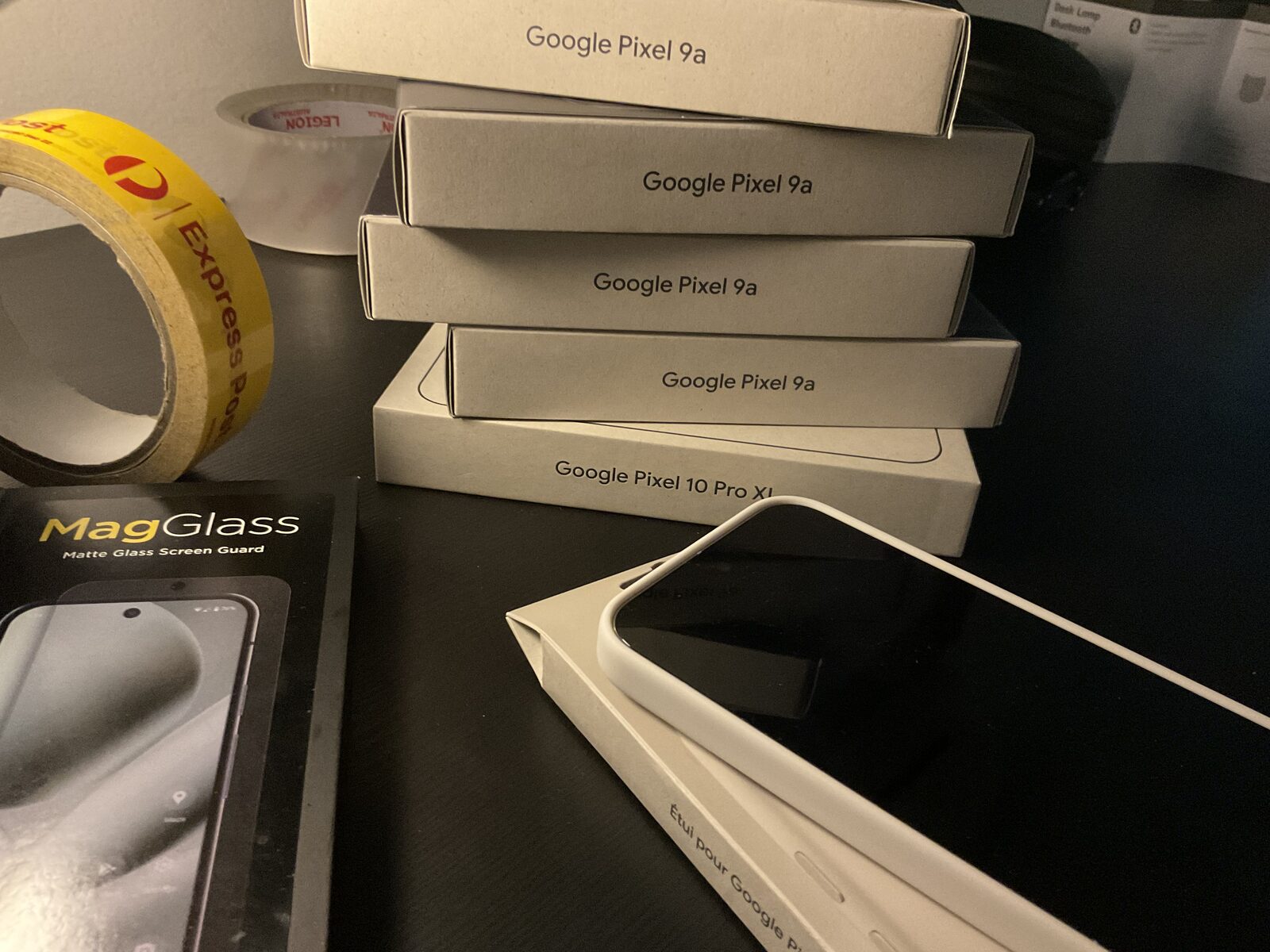
On a Privacy Devices device, we pre-install and activate the eSIM as part of setup, so you receive the device with the eSIM already configured and active.
eSIM for travel
A privacy eSIM is particularly useful for international travel. Rather than purchasing a local SIM at each destination (which often requires a local ID), a global eSIM works across countries with a single activation. On a Pixel with dual-SIM, you keep your Australian number active for calls, and the global eSIM provides data in the destinations you travel to.
Combined with Mullvad VPN, your data traffic while travelling passes through an encrypted tunnel regardless of which country's network the eSIM is roaming on. This is the travel connectivity setup we configure for all executive travel customers. For the broader travel security picture, see the Executive Travel Phone Security guide.
VPN + eSIM: why you need both
An eSIM alone reduces the link between your data traffic and your Australian identity at the carrier level. But the eSIM provider itself still sees your unencrypted traffic — they can see which destinations you connect to, when, and how much data you transfer.
A VPN alone encrypts your traffic and hides its content from the carrier. But the carrier still sees which SIM is connecting and building a usage history — it is just encrypted usage history, still linked to the SIM's identity.
Both together: the carrier layer sees an eSIM that is not linked to your Australian identity. The eSIM provider sees only encrypted tunnel traffic — not your destinations or content. The VPN provider (Mullvad) sees encrypted traffic from an account number, with no logs. This is the stack we recommend and ship. For the full comparison, see VPN vs eSIM — do you need both?
Privacy eSIM Australia — FAQ
Does a privacy eSIM make me anonymous on mobile networks?
No. Mobile networks always see which tower your device connects to and log your SIM's IMSI — that is how mobile networks function. A privacy eSIM means the IMSI and account are not linked to your verified Australian identity, which reduces linkability significantly but does not eliminate network-level visibility. True anonymity on a mobile network is not technically achievable while maintaining connectivity.
Can I use a privacy eSIM as my only SIM in Australia?
Yes, though for calls and SMS it depends on whether the eSIM includes VoIP calling or standard cellular calls. Global data eSIMs are typically data-only. For calls, you would need a VoIP app (Signal calls, for example) or keep your existing Australian number active on a second SIM or via VoIP. Most Privacy Devices customers run dual-SIM: their Australian number for calls, and a privacy eSIM for data.
Is a privacy eSIM legal in Australia?
Yes. Purchasing and using a global eSIM for data is entirely lawful. The SIM registration requirements under Australian law apply to SIMs issued by Australian carriers — a global eSIM from an international provider operates under that provider's home jurisdiction requirements. There is no legal obligation to route all your internet traffic through an Australian-registered SIM.
Does GrapheneOS support eSIM?
Yes. All Pixel devices from Pixel 6 onwards support eSIM, and GrapheneOS preserves full eSIM functionality. You can install eSIM profiles via QR code in Settings → Network & internet → SIMs → Add SIM. Dual-SIM (one physical + one eSIM, or two eSIMs) is also supported. We configure this during device setup.
What happens to my Australian mobile number if I switch to an eSIM for data?
Nothing. Your Australian number stays on your physical SIM (or existing eSIM). Adding a privacy eSIM for data alongside it does not affect your number. Calls and SMS continue on your regular number. Only internet traffic uses the privacy eSIM. The two operate independently.
Can I keep my eSIM active if I travel internationally?
Global data eSIMs are designed for international use — that is their primary purpose. They roam across networks in the destinations they cover without requiring local SIM purchases. Check the coverage map for your specific provider and destinations before travel. All providers available in our software shop include Australian and international coverage.
eSIM + VPN, configured from day one.
Privacy eSIMs are available in our software shop as standalone purchases, or pre-installed on every Privacy Devices Pixel with Mullvad VPN configured on top.
Shop eSIM & VPN → Browse Devices