The honest truth about a burner phone in New Zealand
New Zealand has no mandatory SIM registration law — a prepaid SIM can still be bought with cash and limited ID. But a cheap handset from a service station still leaks your identity in ways that matter. This guide explains what a burner phone NZ actually delivers in 2026, and what a prepared privacy phone delivers instead.
Shop GrapheneOS Pixel
Configured, tested and dispatched in 1–2 business days.
 Pixel 9A6.3″ · 128GB$1,399AUD Customer reviews
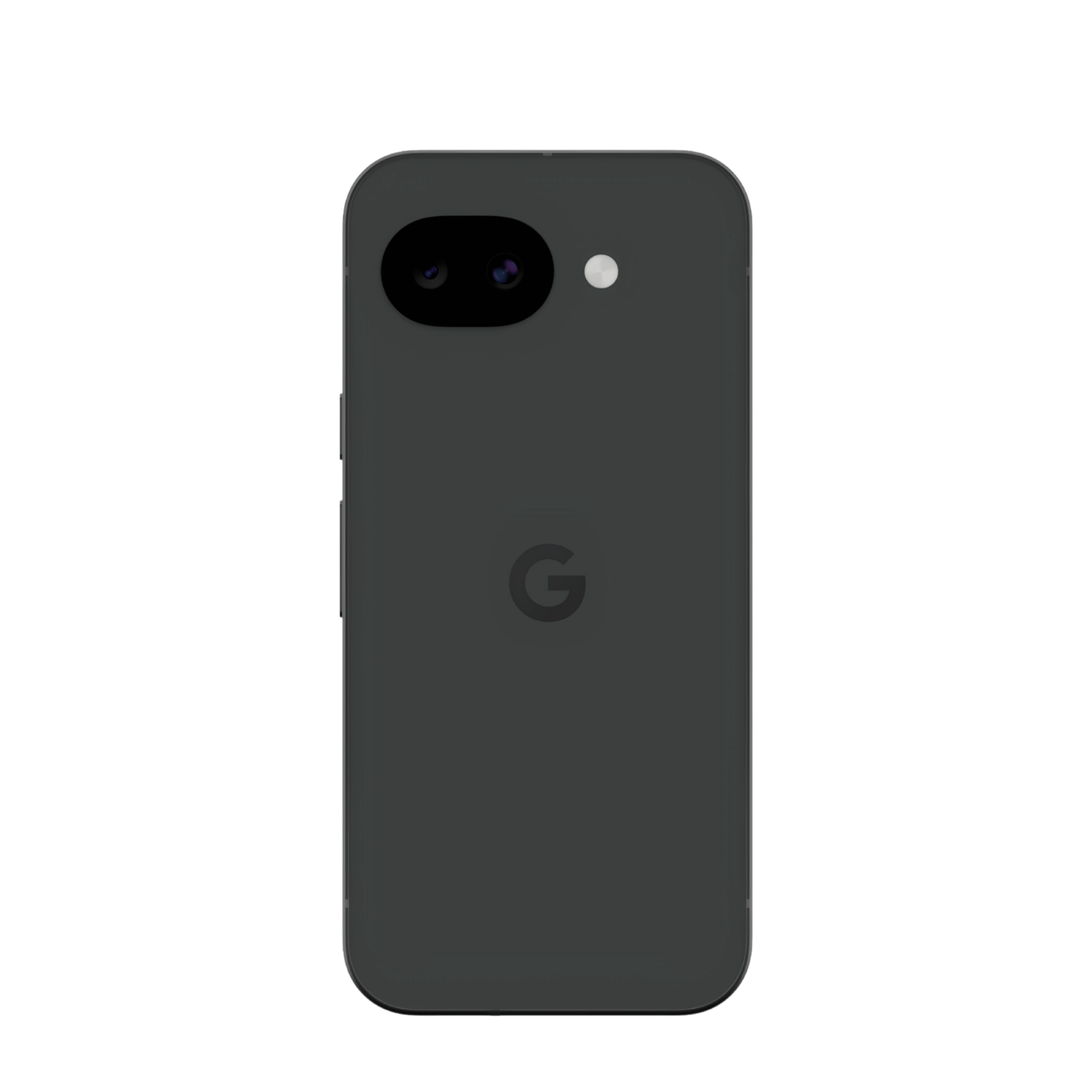 Pixel 10A6.3″ · 128GB$1,550AUD
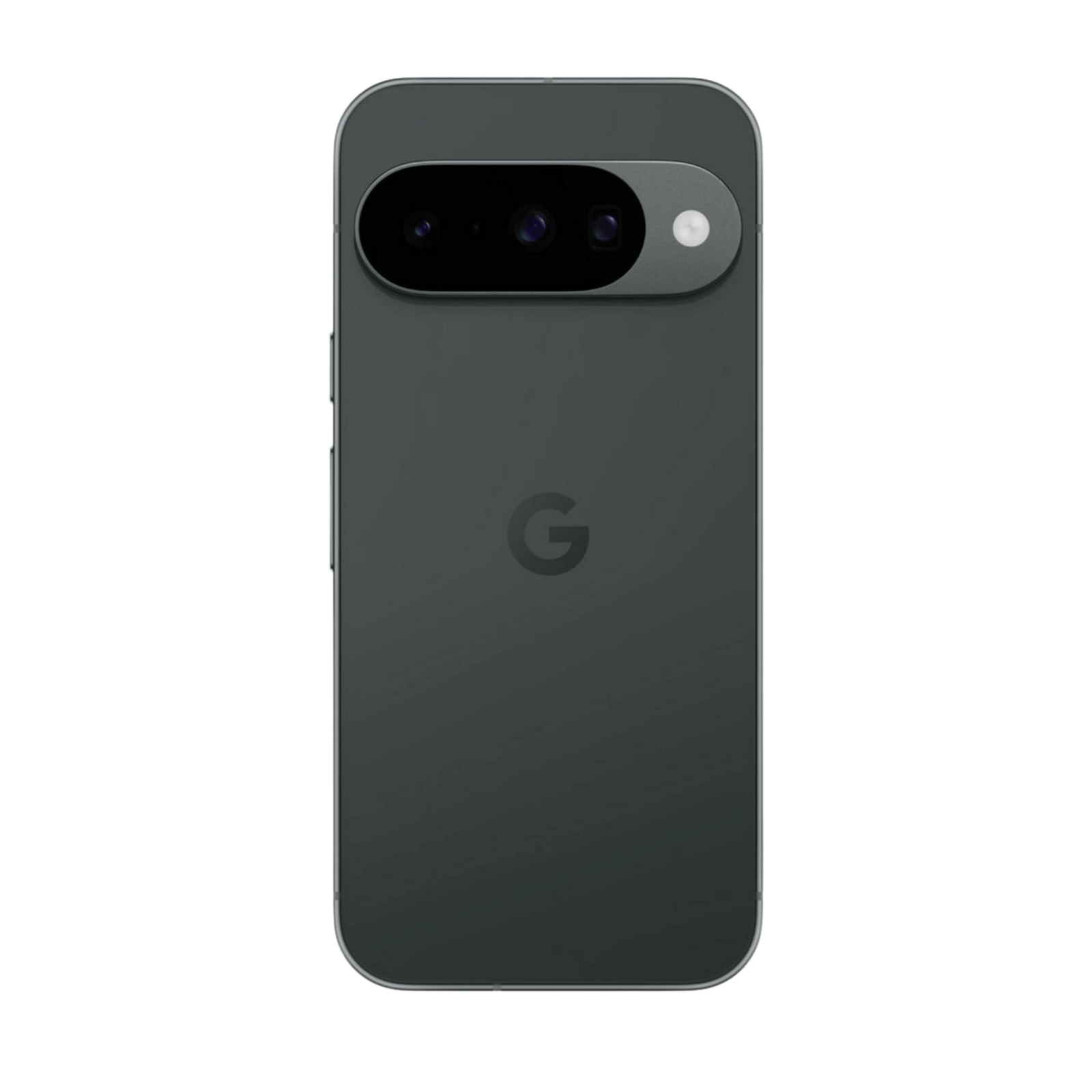 Pixel 106.3″ · 128GB$1,850AUD
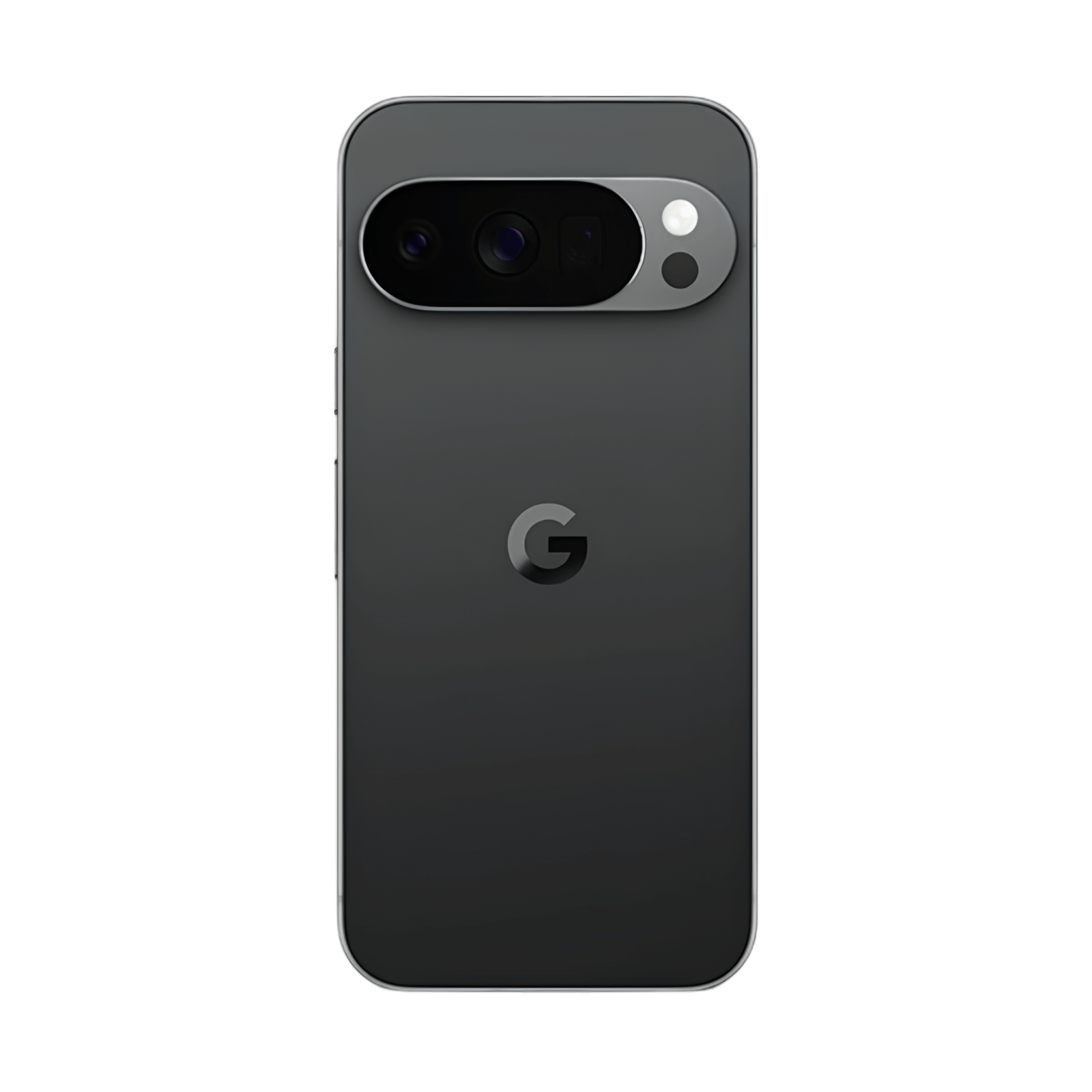 Pixel 10 Pro6.3″ · 128GB$2,289AUD
- Free shipping in Australia, tracked worldwide
- 14-day money-back guarantee
- 12-month warranty
Protection starts at handover.
For high-exposure work, the device has to arrive with profiles, communication tools and recovery controls already set up — not left as homework after purchase.
Unlike Australia, New Zealand has no legislation requiring carriers to verify your identity before activating a prepaid mobile service. In practice, some retailers ask for ID and others do not — but the absence of a registration law means a burner phone NZ can still be bought with less friction than across the Tasman. The gap closes fast once you consider what the handset itself does: a budget Android out of the box ships with a Google account, advertising IDs, and a unique IMEI that the network logs every time you connect to a tower. The SIM may be unregistered; the phone is not invisible.
Why a cheap prepaid still leaks in New Zealand
The absence of mandatory SIM registration in NZ is a genuine difference from Australia, but three things still quietly tie a cheap burner back to you:
- IMEI and tower logs. Every handset has a permanent IMEI. The carrier logs which towers it connects to and when — a movement trail that is independent of the SIM and exists whether or not you registered your name.
- The phone's default software. A budget Android ships a Google account with system access, ad IDs and pre-installed trackers. It is reporting to multiple third parties before you have sent a single message, regardless of how you bought the SIM.
- Payment and purchase records. Even a cash purchase creates a record if you used a loyalty card, CCTV covered the transaction, or the retailer scanned the IMEI at point of sale.
A burner phone New Zealand is a real option for a throwaway number on a marketplace listing or a temporary sign-up. But if the reason you want one is genuine privacy — separating an identity, travelling safely, or protecting sensitive communications — a $40 prepaid does not solve the underlying problem.
What actually replaces a burner phone in NZ
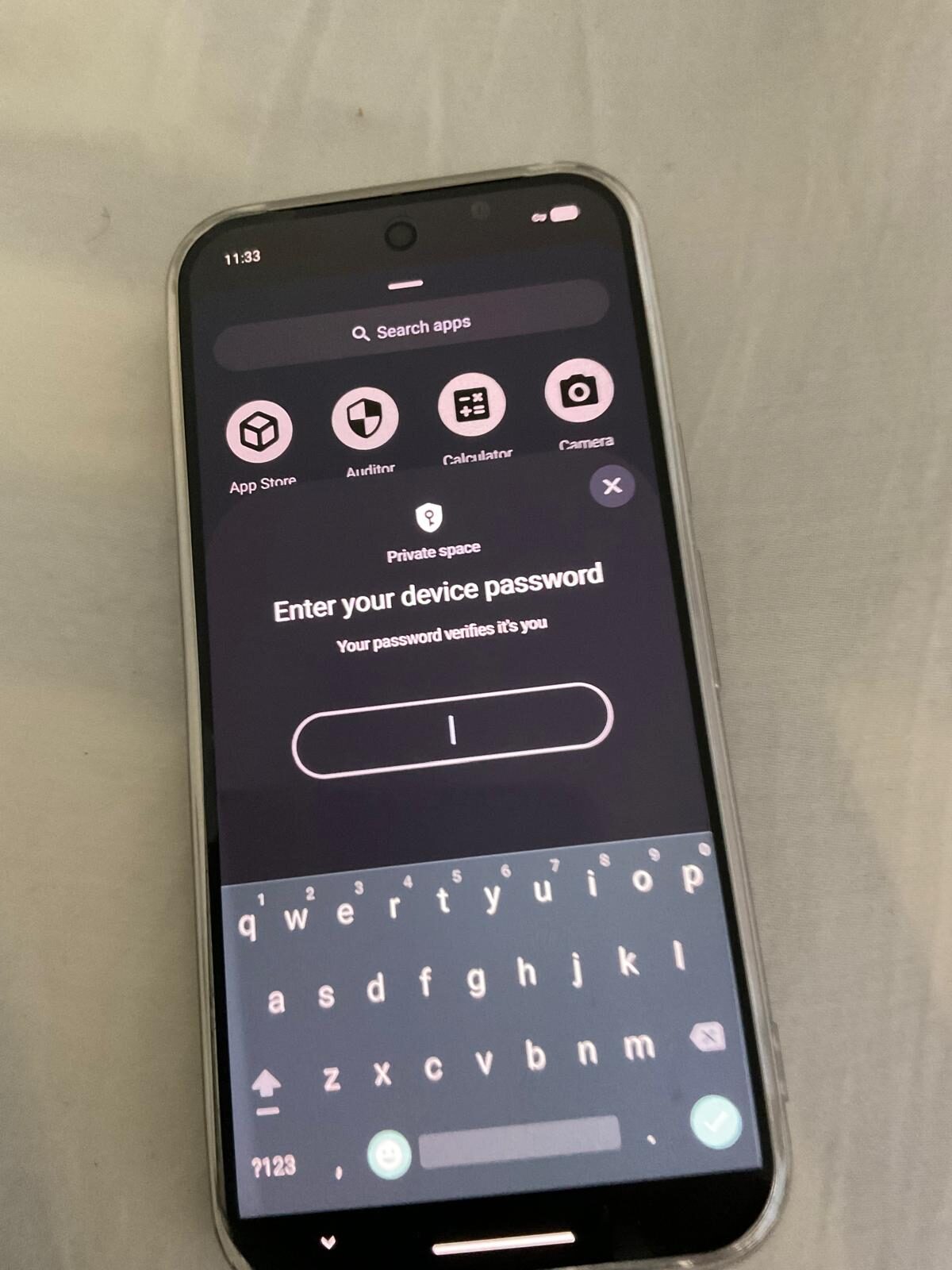
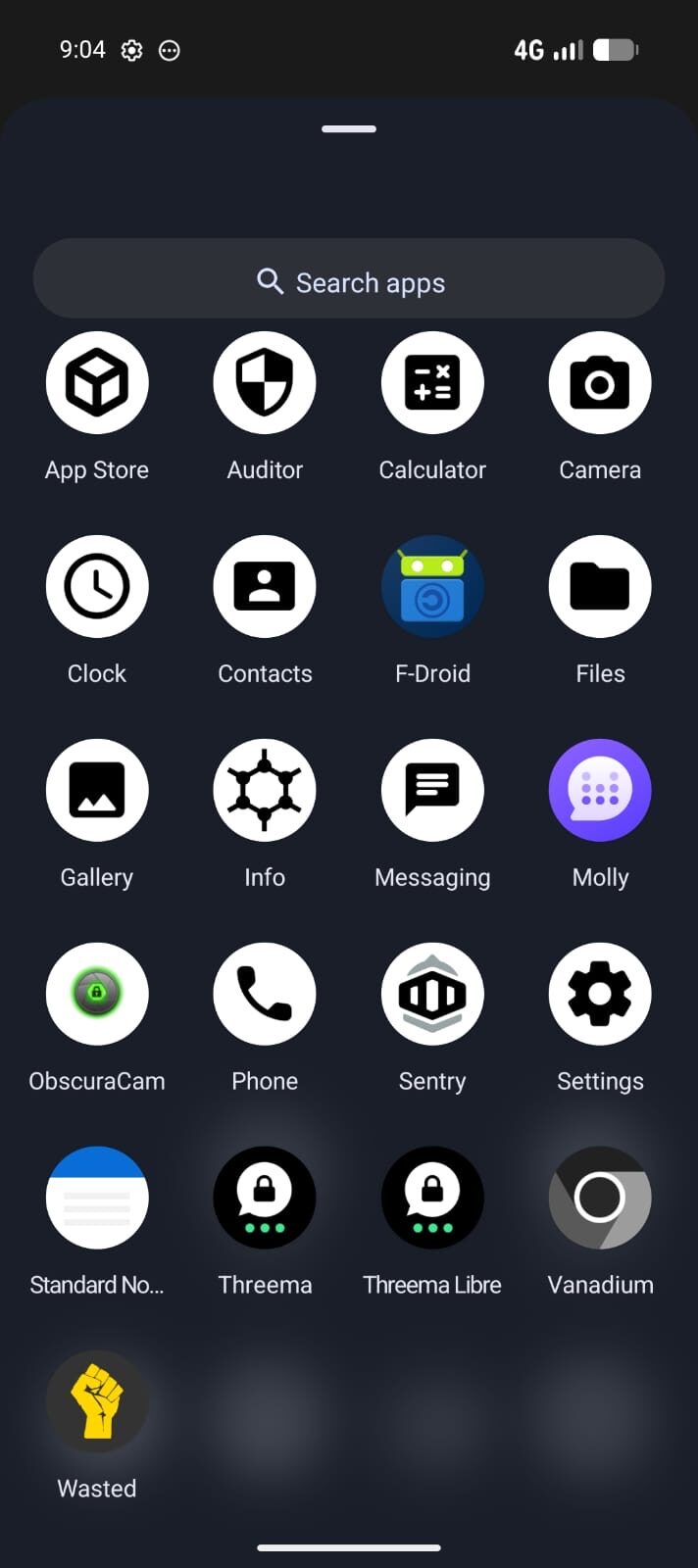
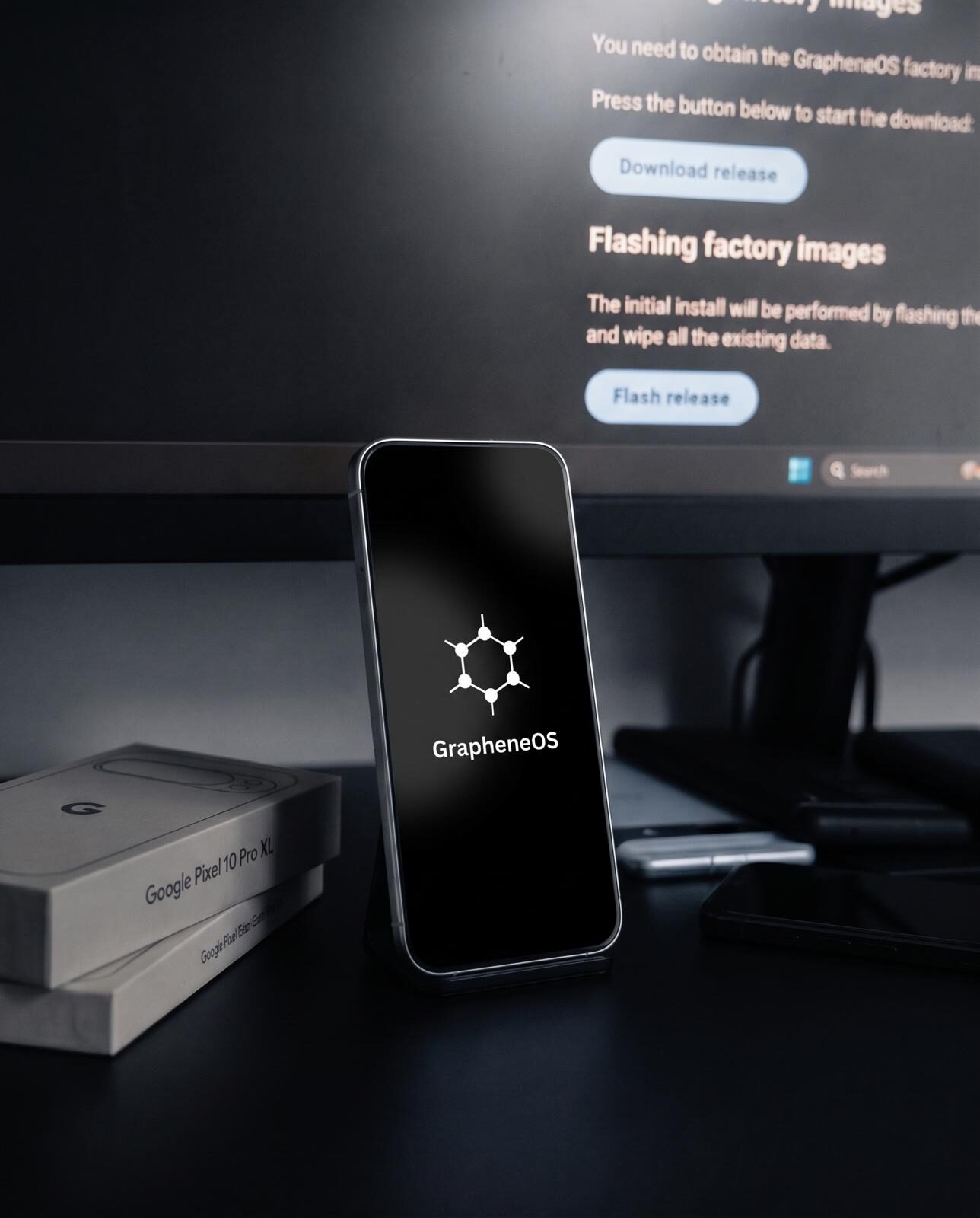
What most people want from a prepaid anonymous phone NZ is compartmentalisation — a clean environment separate from their everyday digital life. A hardened GrapheneOS Pixel delivers that far more reliably than a drawer of cheap handsets:
Disposable profiles
Multiple user profiles, each separately encrypted and wipeable in seconds. Spin one up for a project or a trip, delete it when you are done — a software burner you control, without buying a new device each time.
No Google identity
No Google account with system access, no advertising IDs, no pre-installed trackers phoning home. The device is not reporting to anyone, unlike a standard Android prepaid.
Data-only eSIM
A privacy eSIM carrying encrypted messaging apps over data sidesteps SMS entirely and reduces how much your number reveals — closer to the clean line a burner is supposed to promise.
Duress & wipe
Phantom Protocol adds a duress PIN and auto-reboot, and remote wipe is available — so a lost or inspected device does not become a data exposure event.
NZ Privacy Act 2020 — what it means for your phone
New Zealand's Privacy Act 2020 gives individuals stronger rights over how organisations collect, store and use personal information. Carriers, app developers and overseas platforms operate under different rules, and what happens to data before it reaches a New Zealand business is largely outside the Act's practical reach.
The practical upshot: the Privacy Act is a meaningful backstop for how NZ businesses handle your data once they hold it. A prepared device that minimises what is collected in the first place gives you a more reliable starting point — consult a privacy lawyer if you need advice specific to your situation.
Cheap burner vs a privacy phone — NZ comparison
| Cheap prepaid "burner" (NZ) | GrapheneOS privacy phone | |
|---|---|---|
| SIM registration required | Not legally required, varies by retailer | SIM varies, but data-only eSIM reduces exposure |
| IMEI logged by carrier | Yes — permanent, regardless of SIM | Yes, but hardened OS reduces other leakage |
| Google account / ad IDs | Baked in by default | None with system access |
| Separate identities on one device | No | Multiple encrypted profiles |
| Reusable / wipeable | Throw it away each time | Wipe a profile, keep the phone |
| Encrypted messaging | Only if you set it up | Signal & Threema pre-configured |
| Resists spyware | Weak, often outdated Android | Hardened OS, verified boot |
| Ships to NZ | Yes (retail) | Yes — from A$80 delivery |
A cheap prepaid wins on price and immediate availability. If you need a disposable number for one transaction, that is the right tool. If you searched "burner phone NZ" because you want genuine separation or protection, a prepared privacy phone is the honest answer.
Shipping to New Zealand
Privacy Devices ships configured GrapheneOS Pixels to New Zealand. Delivery is tracked and discreet — plain packaging, no branding visible externally. Shipping to NZ is A$80 on top of the device price. All devices carry a 12-month warranty and are configured before dispatch, so they arrive ready to use.
Payment is by card. Devices are not shipped until payment clears and configuration is complete — typically within two business days of order.
Who this is for
Most people searching for a burner phone in New Zealand fall into a few groups: journalists and researchers protecting sources or contacts, people keeping work and personal life separated on a single device, travellers who want a clean environment for a trip, and those who have experienced unwanted tracking and want a fresh start. Each of these is better served by a compartmentalised device than a throwaway prepaid. If you genuinely just need a second number for a low-stakes listing, a prepaid from a service station works fine — and we will tell you so. But if you want what a burner is supposed to provide, we build the thing that actually provides it.
The burner idea, done properly.
One hardened phone, multiple disposable identities, no Google, encrypted comms — configured before dispatch. Ships to New Zealand (A$80 delivery). 12-month warranty. Discreet packaging.
Browse Prepared Devices → Anonymous phone setupBurner phones in New Zealand — FAQ
Do you need ID to buy a prepaid SIM in New Zealand?
There is no New Zealand law requiring carriers to verify your identity before activating a prepaid mobile service, unlike in Australia where 100-point ID is mandatory. In practice, requirements vary by retailer — some ask for ID and some do not. That said, the absence of mandatory registration does not make a cheap prepaid truly anonymous: the handset has a permanent IMEI, the network logs tower connections, and the phone itself runs software that reports to third parties.
Is it legal to have a burner phone in New Zealand?
Yes. Owning and using a prepaid or second phone is completely legal. There is no law against buying a handset with cash or using an unregistered SIM. The legal and effective approach to privacy is compartmentalisation — separating identities and minimising tracking on a hardened device — not trying to disappear entirely, which is not really achievable with a cheap Android anyway.
What does New Zealand's Privacy Act 2020 say about phone data?
The Privacy Act 2020 gives individuals rights over how organisations collect and use their personal information, and introduced new breach-notification requirements. It does not prevent carriers from logging call records and tower connections as part of normal network operations. It also does not govern what foreign app developers do with data collected from a standard Android device. A hardened phone that minimises data collection upstream provides stronger practical protection than relying on legal rights after the fact.
What is the best burner phone alternative in New Zealand?
A hardened GrapheneOS Pixel with multiple encrypted profiles. It gives you what a burner is meant to: disposable, walled-off identities you can create and wipe, no Google account or ad tracking, encrypted messaging pre-configured, and a data-only eSIM option — all on one durable device instead of a succession of cheap handsets.
Do you ship privacy phones to New Zealand?
Yes. Devices are configured before dispatch and sent in plain, tracked packaging to NZ addresses. Shipping is A$80 on top of the device price. All devices carry a 12-month warranty.
How is a GrapheneOS phone different from a standard Android prepaid?
A standard Android prepaid ships with Google services embedded at the system level — a Google account, advertising IDs, and pre-installed apps that report data to multiple parties before you have done anything. GrapheneOS removes all of that and replaces it with a hardened OS that has no Google services with system access, verified boot, and strong sandboxing. The result is a device that collects and transmits far less by default.
Can I use a data-only eSIM in New Zealand?
Yes. Data-only eSIMs that work in New Zealand are available from several international providers. Running encrypted messaging apps over data rather than SMS sidesteps the most easily logged communication channel. We can advise on suitable eSIM options when you order.
Is a second-hand phone safe to use as a burner?
Not by default. You do not know what software is installed, whether it was tampered with, or who used it previously. The handset also has a permanent IMEI that links it to any SIMs it has ever carried. If you need a clean, separate device, start from a known-good phone with a freshly installed and verified operating system.
What should I use instead of a burner for marketplace or dating listings in NZ?
For low-stakes cases, a temporary number app or a separate email alias keeps your real number off public listings. For anything more sensitive, a separate profile on a hardened phone keeps those apps, contacts and logins walled off from your everyday identity — and you can delete the profile when you are done.
Is a cheap burner or a privacy phone better value for NZ buyers?
A cheap prepaid handset is fine for a short-term, low-stakes need. It will not protect your identity or your data, and you replace it every time. A hardened GrapheneOS phone costs more up front but ships to NZ with a 12-month warranty, replaces a succession of disposables with one durable device, and actually delivers the compartmentalisation most people are looking for.