Bitcoin payment privacy, explained honestly.
What paying with Bitcoin actually hides, what it doesn't, how self-hosted BTCPay Server works, and the realities of KYC in Australia — so you can decide with clear eyes, not marketing myths.
Provisioned, not promised.
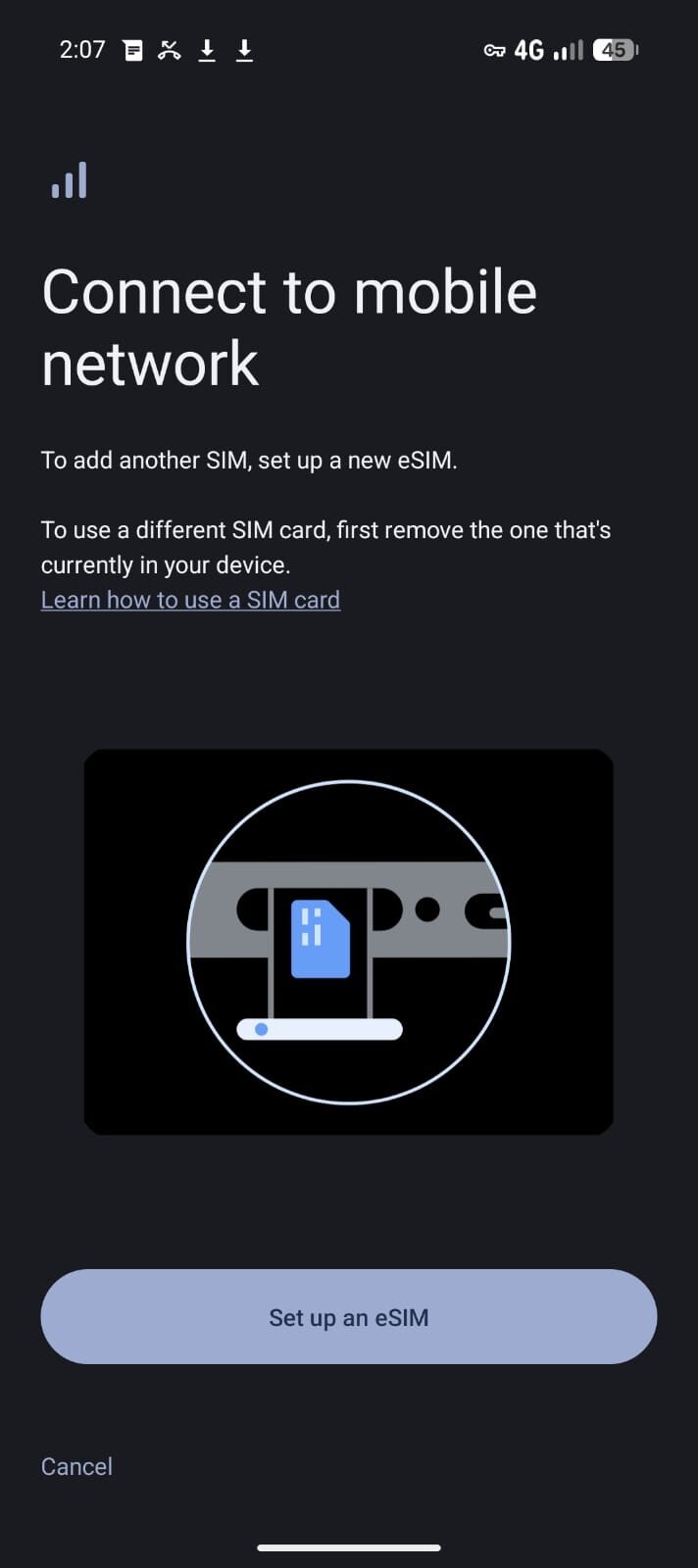
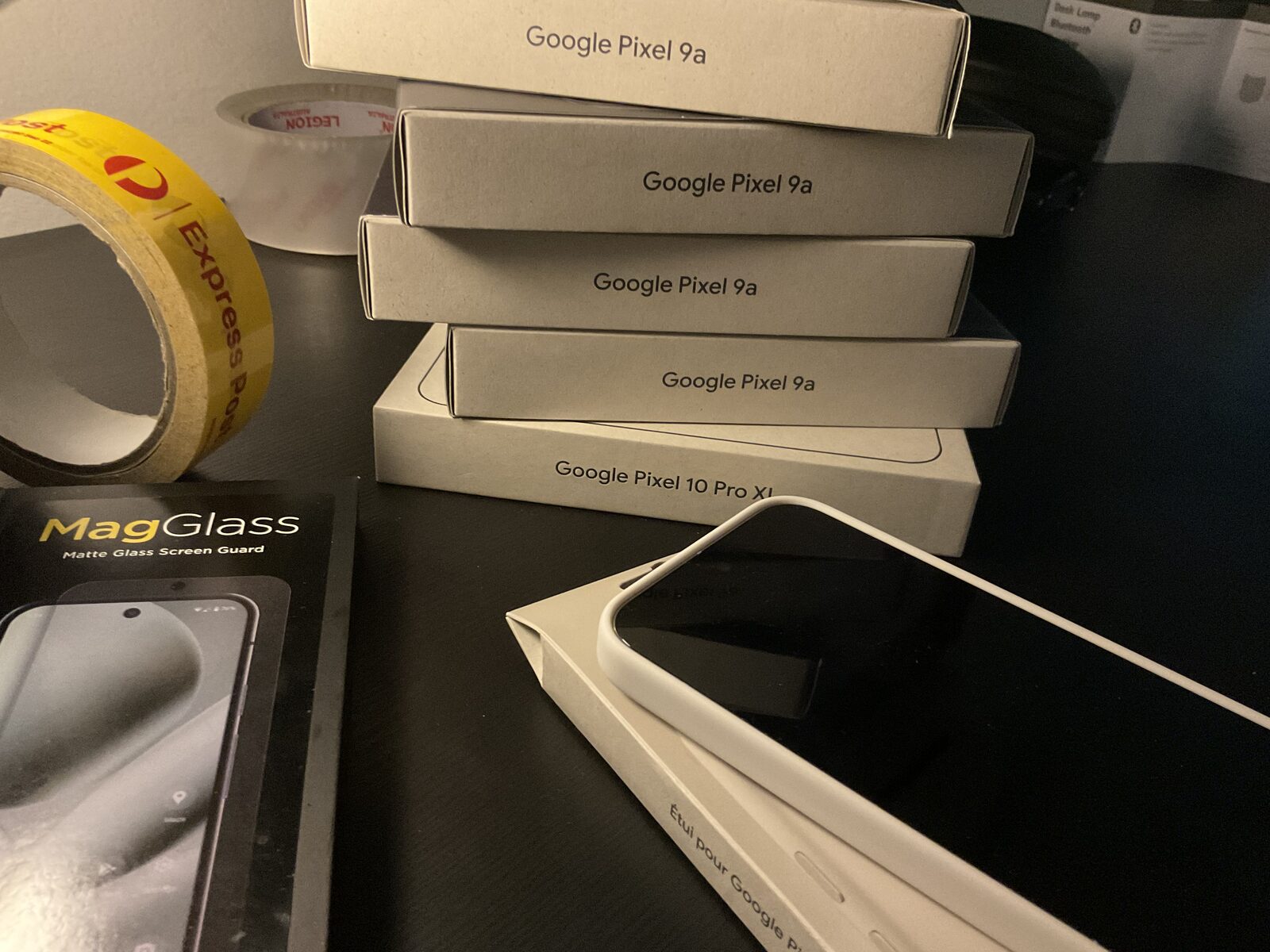
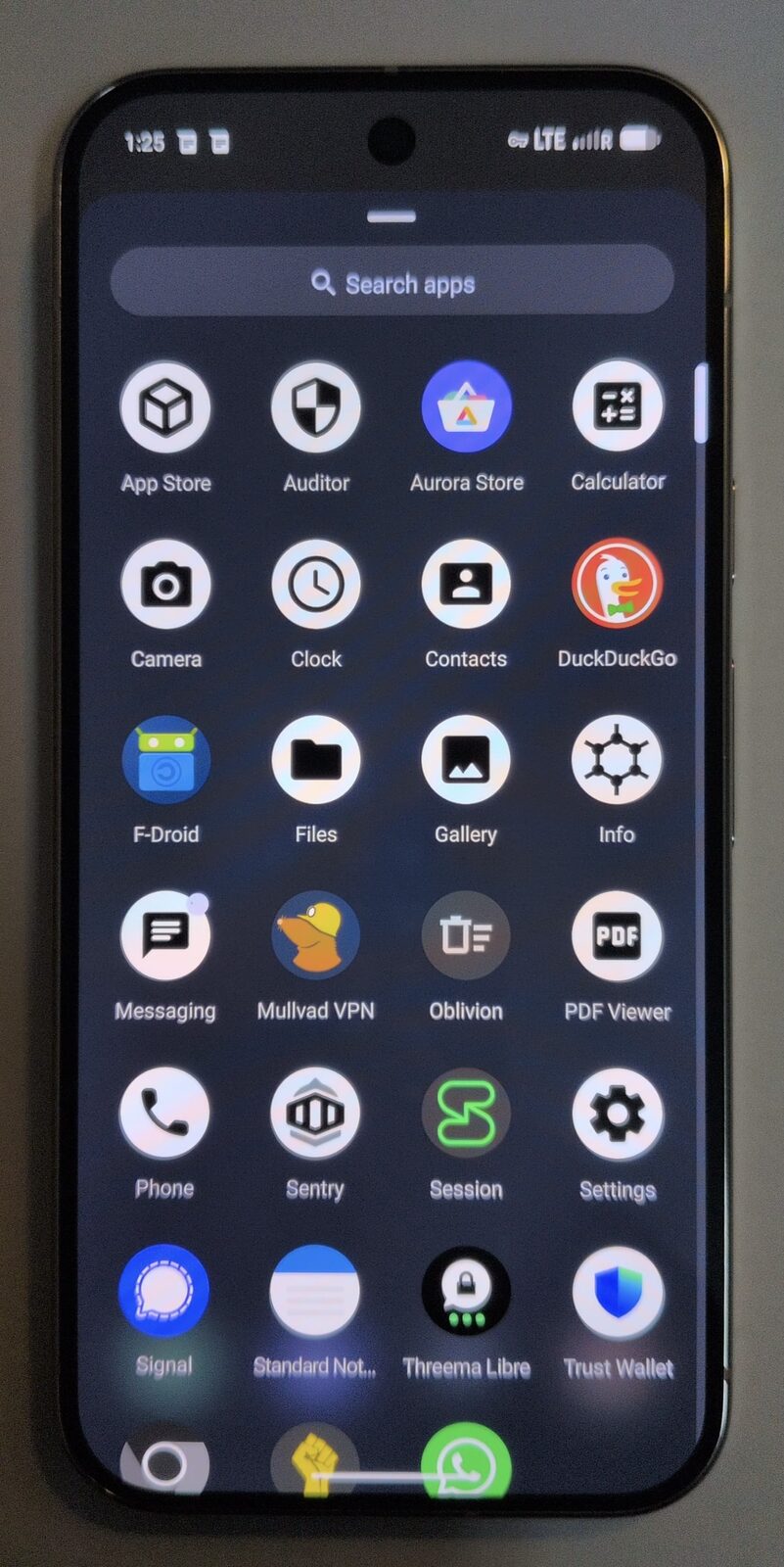
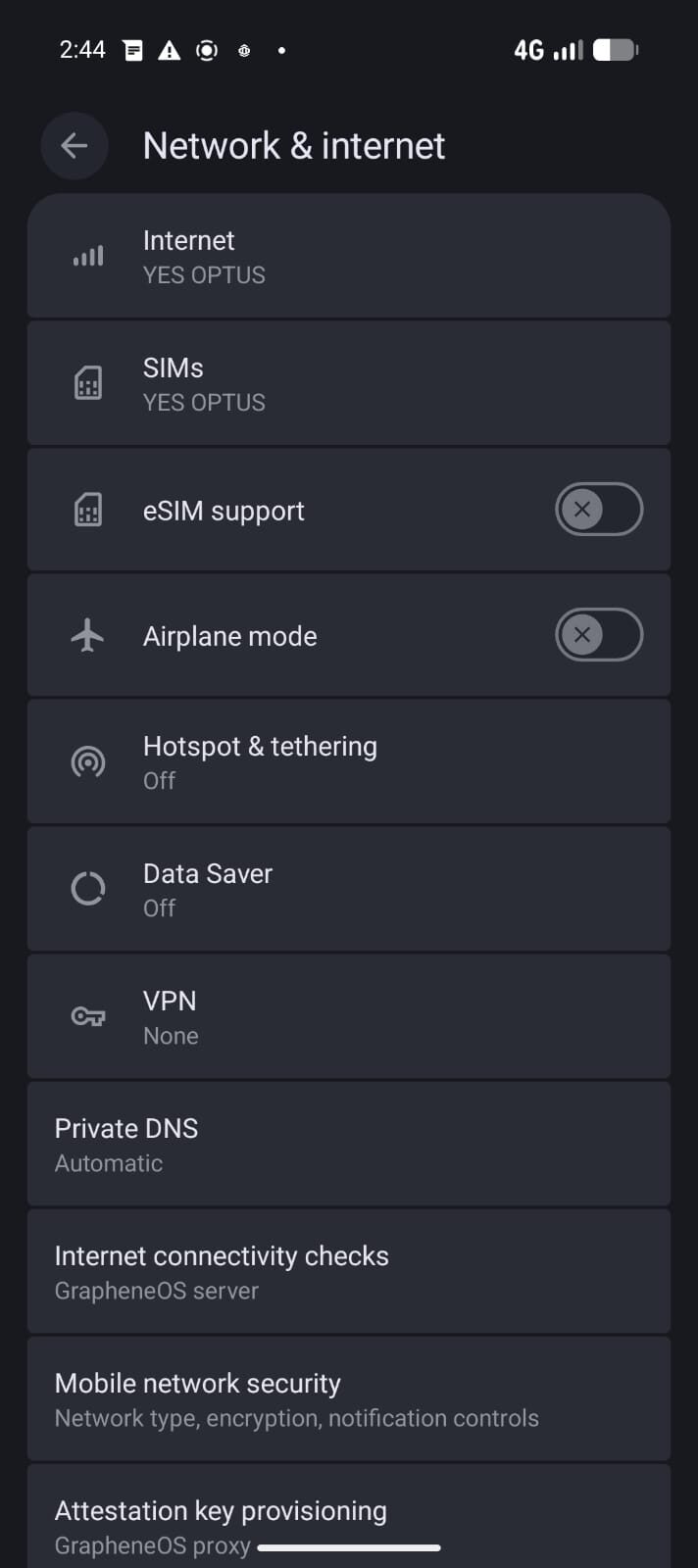
VPN, eSIM and private payment only matter when they are installed, keyed and tested on the device before dispatch.
First, the myth: Bitcoin is not anonymous
Let's be straight, because a lot of crypto marketing isn't. Bitcoin is pseudonymous, not anonymous. Every transaction is written permanently to a public ledger that anyone in the world can read. Your name isn't attached to an address by default — but the moment an address is linked to you (most commonly through a KYC exchange where you verified your identity to buy), that link can be traced across the chain by anyone with the right tools. Specialist firms do exactly this for a living.
What it genuinely does for your privacy
The real benefit is about intermediaries. A card payment passes through your bank and a payment network, each of which records the merchant, amount, time and your identity — and that data feeds credit profiles, marketing datasets and, increasingly, gets shared or sold. A direct Bitcoin payment to a merchant's own node skips that entire banking layer.
No bank in the middle
The purchase isn't added to your bank-and-card spending profile or shared with payment-network partners.
No card data to breach
You're not handing card numbers or billing identity to a merchant or processor that could later be hacked.
No processor profiling
With self-hosted BTCPay there's no Stripe/PayPal-style company logging the transaction and building a profile.
Borderless & fast
Payments settle directly without cross-border card friction, holds, or arbitrary declines.
That's a meaningful, legitimate privacy gain — particularly for something like a privacy device, where you reasonably might not want a record sitting in a marketing database that you bought one.
How BTCPay Server works (and why we self-host it)
BTCPay Server is free, open-source, self-hosted payment software. Instead of routing your payment through a third-party crypto processor that takes a cut and logs your data, it lets a merchant accept Bitcoin directly into their own wallet. It's non-custodial — no middleman ever holds the funds or the records.
Privacy Devices runs its own BTCPay Server. When you pay, the invoice is generated by our node and your Bitcoin goes straight to us — no payment company sits in between collecting customer data. You don't create an account or hand over ID to pay an invoice. It's the same philosophy as the products we sell: fewer intermediaries, less data exposure by default.
The Australian KYC reality
Here's the part most "pay with crypto for privacy" articles skip. For the average Australian, identity usually gets attached before the payment — at the exchange. Most people buy Bitcoin on a KYC-regulated exchange that verified their passport or licence, which means those coins are already tied to them on-chain from the moment of purchase. Paying us privately doesn't undo that earlier link.
Improves your privacy
- Paying a merchant directly via self-hosted BTCPay
- Using coins not freshly withdrawn from a KYC exchange to that address
- Avoiding address reuse
- Keeping the bank/card layer out of the purchase
Erodes your privacy
- Buying and sending straight from a KYC exchange
- Reusing the same address repeatedly
- Posting your address publicly
- Assuming the ledger is private — it's permanent and public
Best practices before you pay
- Understand the trade-offs. Volatility between quote and payment is handled by a short invoice window; network fees apply; the ledger is permanent.
- Keep your own records. Spending crypto can be a capital-gains event in Australia. Track cost base and disposal — this is general information, not tax advice.
- Mind the source of your coins. If privacy is the goal, the exchange step matters more than the payment step.
- Don't over-trust the tech. Good habits, not the protocol alone, determine your real privacy. The phone in your hand also matters — see our secure phone for crypto holders.
Pay your way — card or Bitcoin
Every Privacy Devices order can be paid in Bitcoin through our own self-hosted BTCPay Server, or by card if you prefer. Same hardened phones, same 12-month warranty, discreet packaging either way.
Browse Pixels → How to pay with BitcoinFrequently asked
Is Bitcoin anonymous?
No — it's pseudonymous. Every transaction is on a permanent public ledger; if an address is linked to you, it can be traced. It offers more privacy than a card, not invisibility.
What privacy does paying with Bitcoin actually give me?
It keeps your bank and card networks out of the purchase, so it isn't added to your card spending profile or shared by a processor. A real benefit, not untraceability.
What is BTCPay Server?
Free, open-source, self-hosted payment software that lets a merchant accept Bitcoin directly, non-custodially, with no third-party processor. We run our own.
Do I have to give ID to pay with Bitcoin?
Not to us. But if you bought your Bitcoin on a KYC exchange, identity was already attached at that step — usually where the real linkage happens.
Is it legal to pay with Bitcoin in Australia?
Yes, for legal goods and services. Crypto is treated as property for tax, so spending it can be a CGT event — keep records.
What are the limitations?
Volatility, network fees, a permanent public ledger, tax record-keeping, and privacy that depends on your own habits.