Duress PINs enable emergency actions like silent locks or data wipes to protect sensitive data under coercion. Combined with hardened OS, encryption, and threat modeling, they secure devices in...
Metadata reveals smartphone users' habits, locations, and contacts, exposing them to risks. Hardened mobile systems and strategies like encrypted communication, VPNs, and duress PINs effectively minimize this threat.
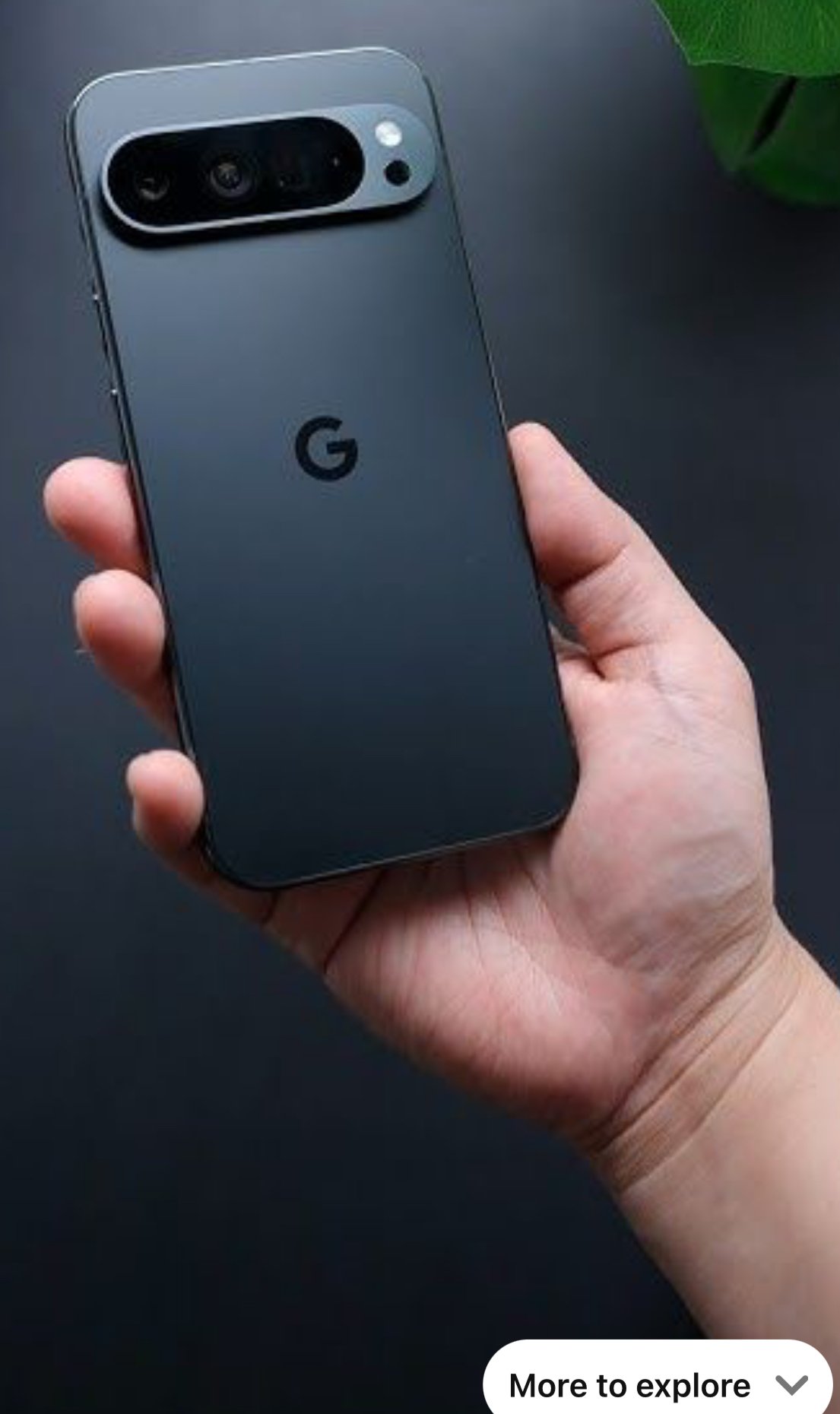
Standard smartphones lack security under pressure, risking data exposure during loss, seizure, or coercion. Hardened mobile systems with duress PINs, panic actions, encryption, and metadata minimisation better protect high-risk...
Panic actions like duress PINs, instant wipes, remote lockdown, radio kill switch, and decoy profiles protect your phone and data under coercion or loss. Hardened OS and metadata minimisation...
Panic actions enable instant, local cryptographic key destruction for immediate data lockdown without cloud reliance. Privacy Devices integrates hardware-backed security, duress PINs, and hardened OS for robust, offline protection...
Standard smartphones lack protections against loss, seizure, coercion, SIM swaps, and forensic attacks. Hardened, open-source devices with duress PINs and metadata minimization offer superior real-world digital security.
Custom mobile security for executives and investigators uses hardened AOSP/GrapheneOS, duress PINs, metadata minimisation, and tailored threat models to protect data under loss, seizure, or coercion.
Duress PINs and panic actions are vital for mobile security, protecting data under coercion via secret codes and selective or full data wipes. GrapheneOS and tailored threat models enhance...
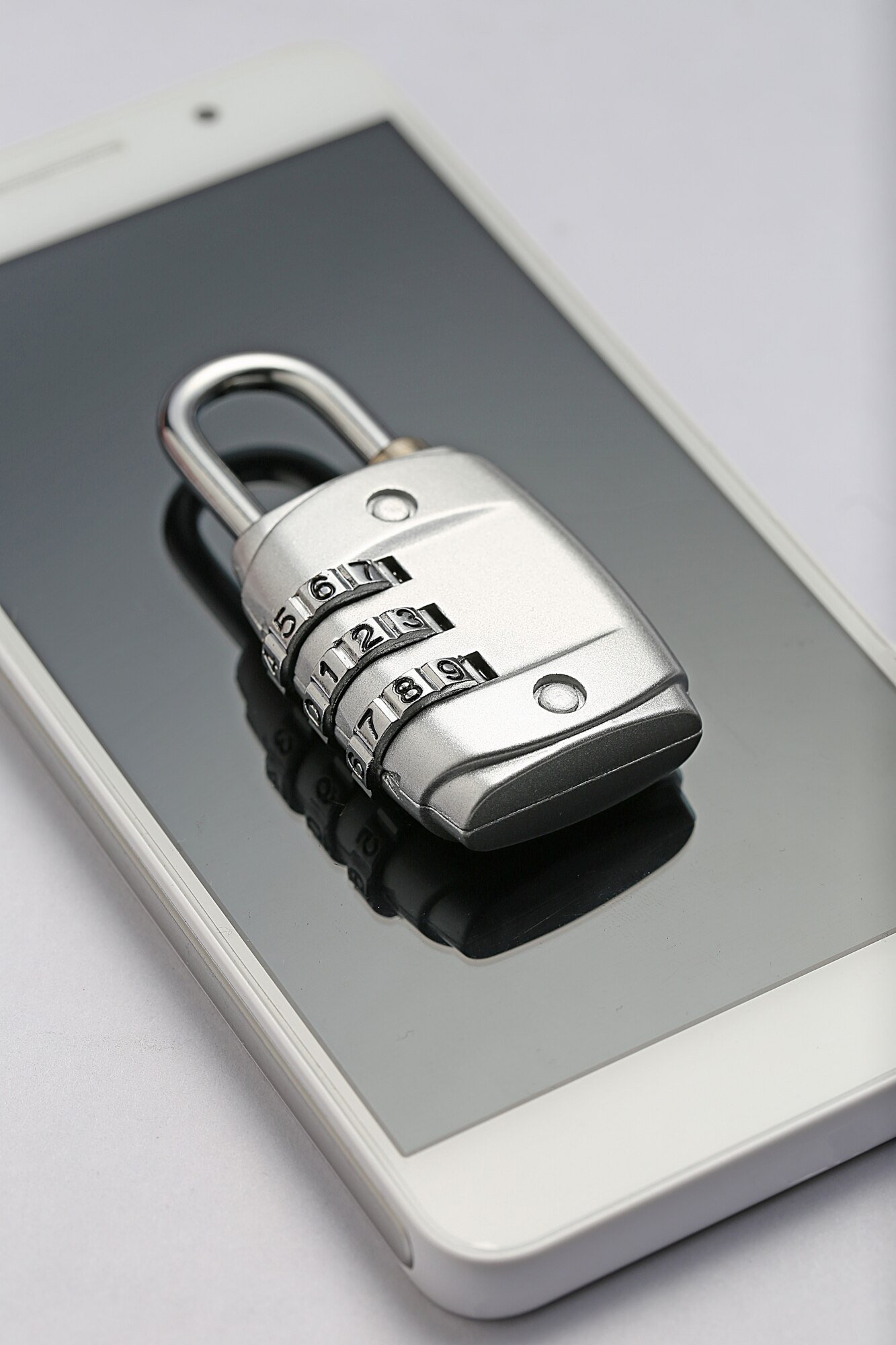
Hardened mobile systems protect data under threats like loss, seizure, and coercion via duress PINs, hardware-backed encryption, metadata minimisation, verified boot, and tailored security for high-risk users.