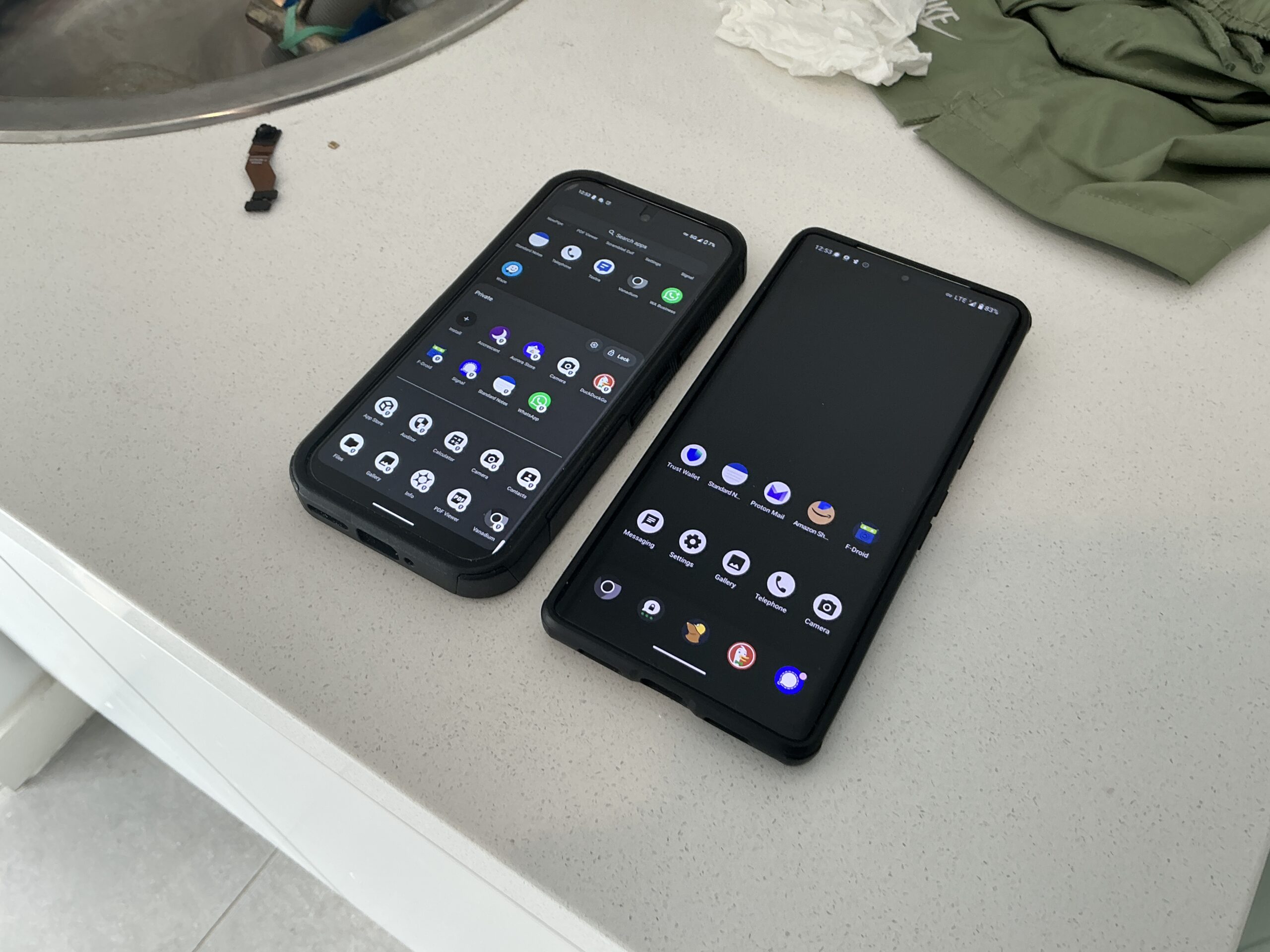
Fail-safe by design: How hardened mobile systems deliver peace of mind under real-world digital threats
Standard smartphones collapse under real-world pressure. Your sensitive data becomes vulnerable during loss, seizure, or coercion. Hardened mobile systems built with features like duress PINs, panic actions, and metadata minimisation offer predictable, fail-safe protection when it matters most. This guide explains how these privacy phones deliver real security beyond theory, keeping control firmly in your hands. For more insights, check out this link.
Understanding Hardened Mobile Systems
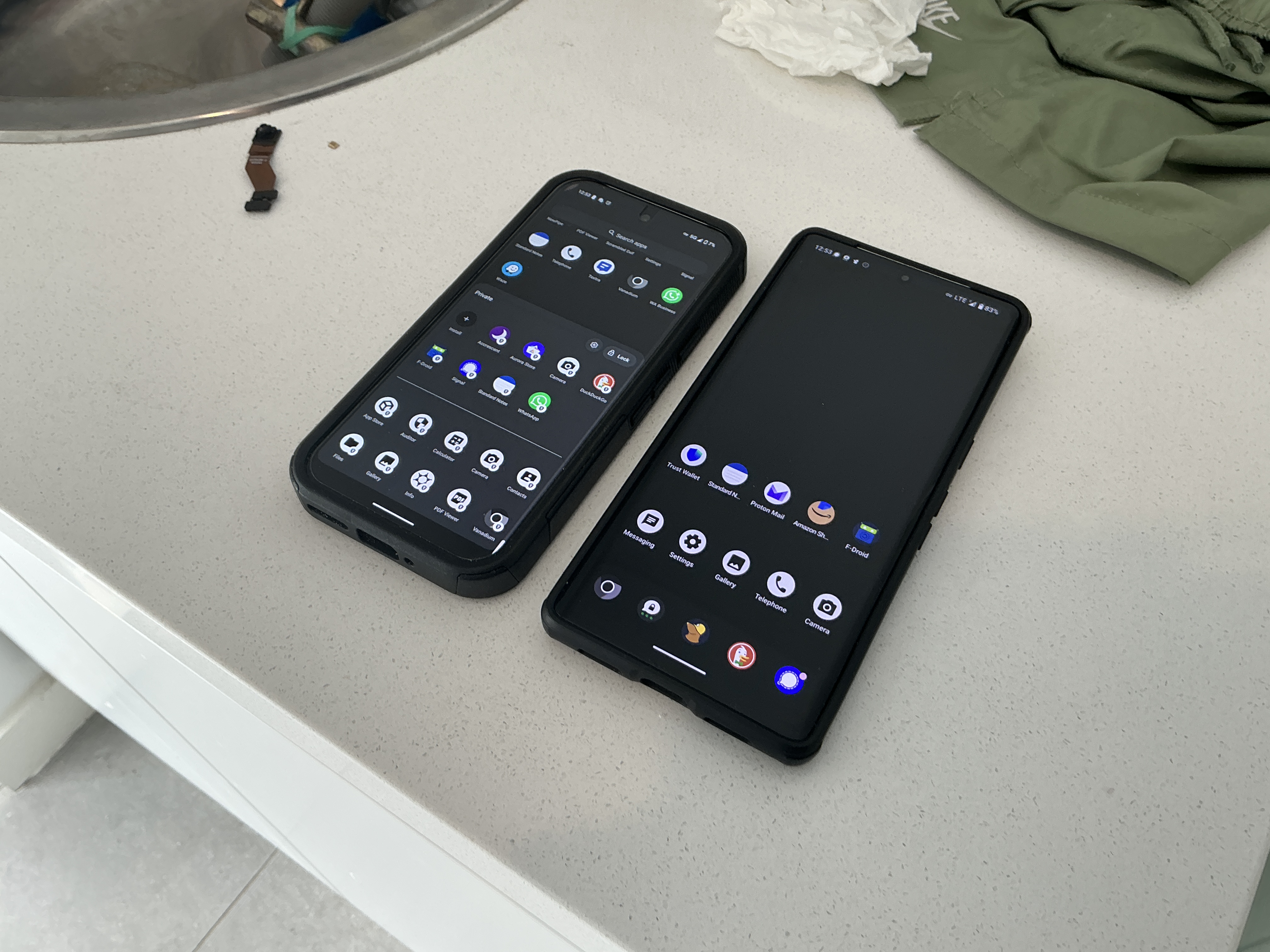
Hardened mobile systems serve as a fortress for your data, offering unmatched protection where standard smartphones falter. Let’s delve into how these devices shield your privacy under duress.
Limitations of Standard Smartphones
Standard smartphones are not designed for high-stakes environments. They may be sufficient for everyday use but lack critical security features. Many assume their devices are secure, yet common threats can easily exploit them. These phones often fall prey to malware, network surveillance, and unauthorised access. In high-risk scenarios, such as border checks or theft, standard phones fail to keep data safe.
Example: A journalist traveling across borders risks having their phone searched. Standard devices can’t protect sensitive sources. This can lead to compromised information and potential harm. Privacy phones mitigate this risk, ensuring data remains confidential.
Key Features of Privacy Phones
Privacy phones are equipped with advanced features that elevate security. They incorporate duress PINs and panic actions, providing you with control even under pressure. Unlike regular devices, these phones are designed for metadata minimisation, which reduces your digital footprint and protects your personal data.
These devices also support verified boot processes, ensuring that only trusted software runs on your device. This prevents malicious code from infiltrating your phone, keeping you safe from digital threats. GrapheneOS is an example of a system that enhances security through these features.
Real-world Scenarios: Loss and Seizure
Imagine losing your phone or having it seized at a checkpoint. Without robust security measures, your data could fall into the wrong hands. In these situations, privacy phones shine. They fail safely, ensuring sensitive information remains protected.
-
Loss: If your phone is misplaced, security features prevent unauthorised access.
-
Seizure: During coercion or inspection, a privacy phone can lock down data quickly.
These scenarios highlight the necessity of a seizure-safe device. Most people think standard phones are adequate, but the stakes in high-risk environments demand more.
Essential Security Features

Understanding the core features of privacy phones is crucial for those seeking digital safety. These features ensure your data is protected, no matter the pressure.
Duress PIN and Panic Actions
In moments of coercion, having a duress PIN can be a lifesaver. This feature allows you to enter a specific code that activates a security protocol. The phone may delete sensitive data or lock itself, rendering it useless to unauthorised users.
Panic actions are similarly vital. With a simple gesture, you can initiate an irreversible shutdown of your device’s functions. This ensures that even if your phone is in someone else’s hands, they can’t access your information.
Example: During a random stop, you can quickly activate these features, keeping your data out of reach and maintaining your privacy.
Metadata Minimisation and Verified Boot
Minimising metadata exposure is key to maintaining privacy. Metadata can reveal much about your activities, even more than content. Privacy phones focus on reducing this information to protect users.
Verified boot adds another layer of security. By ensuring only trusted software runs, it prevents any tampering with the phone’s operating system. This is crucial for maintaining device integrity and security.
For more on how verified boot works, visit this resource.
Compartmentalisation and Baseband Isolation
Compartmentalisation allows you to separate different types of data, limiting exposure in case of a breach. This means if one part of your phone is compromised, other areas remain secure.
Baseband isolation protects your communications by separating them from other functions of your phone. This reduces the risk of interception and maintains the confidentiality of your conversations.
Incorporating these features into your mobile security strategy can dramatically improve your device’s resilience. Privacy Devices offer solutions that integrate these advanced technologies.
Achieving Digital Peace of Mind

For those in high-stakes environments, achieving peace of mind requires more than just standard security measures. Privacy phones provide the tools necessary to secure your data and communications effectively.
Protecting High-Risk Professionals
High-risk professionals face unique challenges that demand robust security solutions. Whether you’re a journalist, executive, or investigator, maintaining data integrity is crucial. Privacy phones deliver this through their advanced features, offering reassurance and confidence in high-pressure situations.
-
Journalists can protect sources and sensitive information.
-
Executives can safeguard proprietary data from corporate espionage.
The longer you wait to adopt these measures, the more exposed you are to digital threats.
Privacy Devices: Secure Communications and Support
Privacy Devices offer more than just hardware; they provide a comprehensive security solution. With tailored consultations, you receive expert advice to meet your unique privacy needs. These devices ensure secure communications, protecting you from prying eyes.
Most people are unaware of the vulnerabilities their phones possess. Privacy Devices educate and empower users, enhancing their digital safety. For more information on secure communication practices, check out this guide.
Steps to Digital Risk Reduction
Here’s the key insight: reducing digital risk involves practical steps you can implement now.
-
Evaluate your current device: Understand its limitations and vulnerabilities.
-
Consider a privacy phone: Upgrade to a device with robust security features.
-
Engage in a consultation: Gain expert insights tailored to your needs.
-
Adopt secure communication practices: Use tools and services that enhance your privacy.
By following these steps, you can significantly lower your digital risk and protect your valuable information.
In conclusion, hardened mobile systems offer peace of mind where standard smartphones fall short. By incorporating advanced security features and understanding the limitations of conventional devices, you can secure your data and communications against real-world threats.
