Fail‑Safe by Design: Hardened Mobile Systems that Stay Predictable in Hostile Conditions
Stock smartphones crack under pressure. When your data faces loss, seizure, or coercion, only hardened mobile systems deliver predictable fail‑safe responses every time. This post reveals how features like duress PINs, panic actions, and metadata minimisation keep your device secure in hostile conditions, far beyond what standard devices can handle. Read on to learn why Privacy Devices is the trusted name for mobile security under duress in Australia and beyond. For further insights, you can explore this NIST publication on mobile device security.
Predictable Fail-Safe Behaviour
When your data is at risk, knowing your device will act predictably is crucial. Fail-safe actions ensure your data remains protected, providing you with peace of mind. Here’s how.
Duress Actions Explained
Imagine being forced to unlock your phone. With duress PINs and panic actions, you can act without revealing sensitive data. A duress PIN triggers a specific response like wiping data or locking files. This empowers you to protect information even when under pressure.
Panic actions are instant responses that secure your data. A simple gesture can activate them, ensuring your information remains safe. This feature is vital for journalists and executives who often encounter risky situations. Learn more about digital risk reduction.
Coercion Resistance Strategies
Coercion resistance is about maintaining control over your device. Hardened mobile systems offer features that make it difficult for adversaries to access your data, even under duress. This is achieved through strategic design, ensuring your device acts according to your intentions, not someone else’s.
Advanced security features allow your device to function independently of external pressures. This means your data’s safety doesn’t rely on the environment, but rather on how your device is configured.
Device Seizure Protection
Device seizure can be a nightmare, especially when sensitive information is at stake. Hardened systems come equipped with device seizure protection mechanisms. These are designed to limit data access when your device is confiscated.
One effective measure is metadata minimisation, which reduces the amount of information your device reveals. This technique ensures that even if your phone is taken, the data remains inaccessible. For more on securing data during seizures, check out this resource.
Building Hardened Mobile Systems
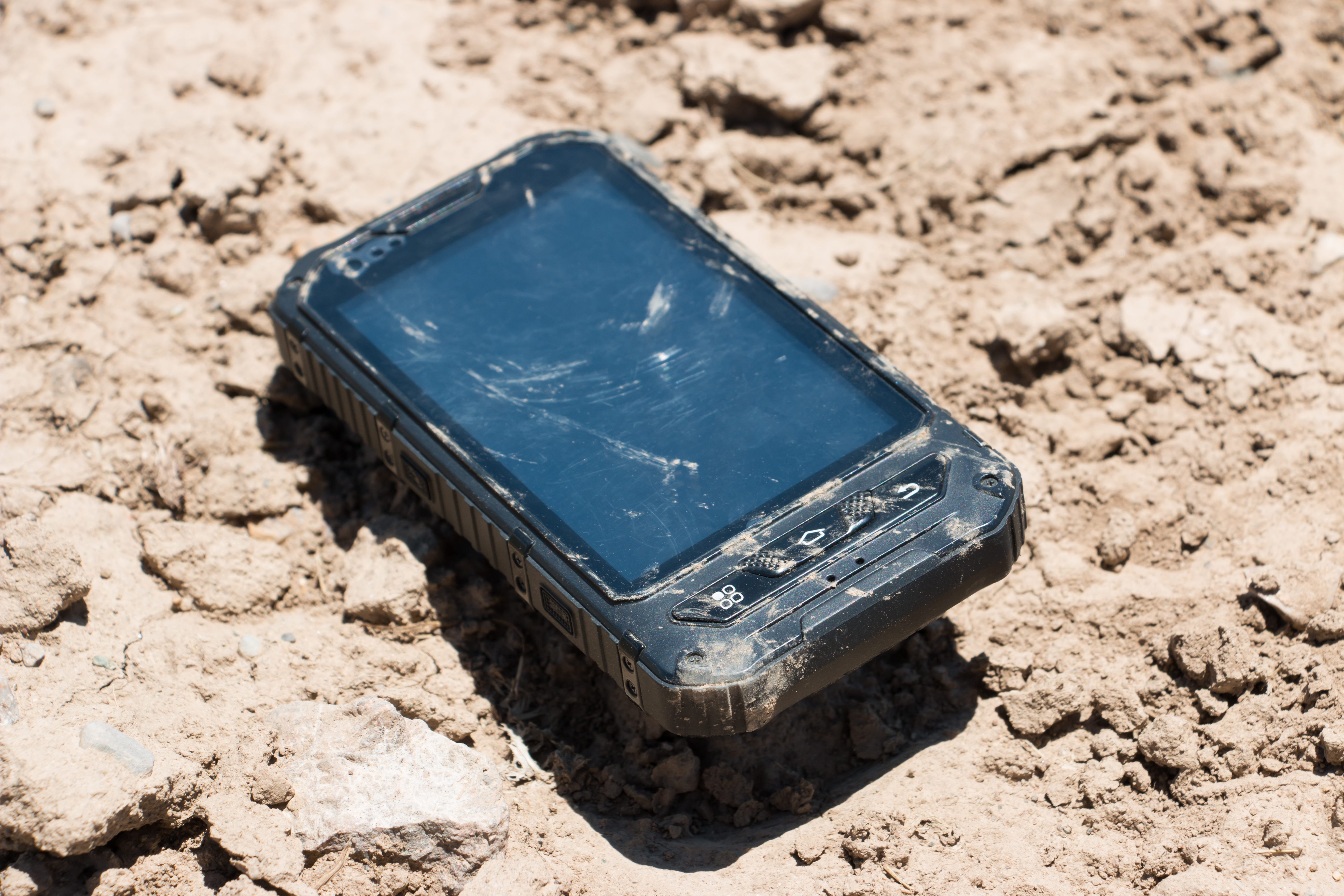
Creating a system that withstands pressure requires specialised techniques. From operating systems to encryption, each component plays a role in ensuring security and privacy.
GrapheneOS Hardening Techniques
GrapheneOS is renowned for its security-focused approach. It’s built on a foundation that prioritises user privacy, providing features that shield your data from threats. This open-source operating system enhances security with continuous updates and patches, maintaining its robustness in an ever-changing threat landscape.
The architecture of GrapheneOS minimises vulnerabilities by incorporating a stringent access control framework. This ensures only authorised applications and processes can access sensitive information. By doing so, your data remains uncompromised, even during potential breaches.
AOSP Security Enhancements
The Android Open Source Project (AOSP) offers a platform for enhancing security features. Developers can implement custom security measures tailored to specific needs. This flexibility allows the creation of devices that meet high-security standards.
Security enhancements in AOSP include improved permission settings and advanced threat detection capabilities. These features work together to create a secure environment, reducing the risk of data leaks and unauthorised access.
Verified Boot and Hardware-Backed Encryption
Verified boot ensures that your device starts with trusted software, preventing malware or tampering from affecting the boot process. It checks the system’s integrity at startup, ensuring only approved software runs.
Hardware-backed encryption adds another layer of security, safeguarding your data using dedicated hardware components. This method protects your information with encryption keys stored in secure environments, making it difficult for attackers to access sensitive data.
Enhancing Privacy and Security
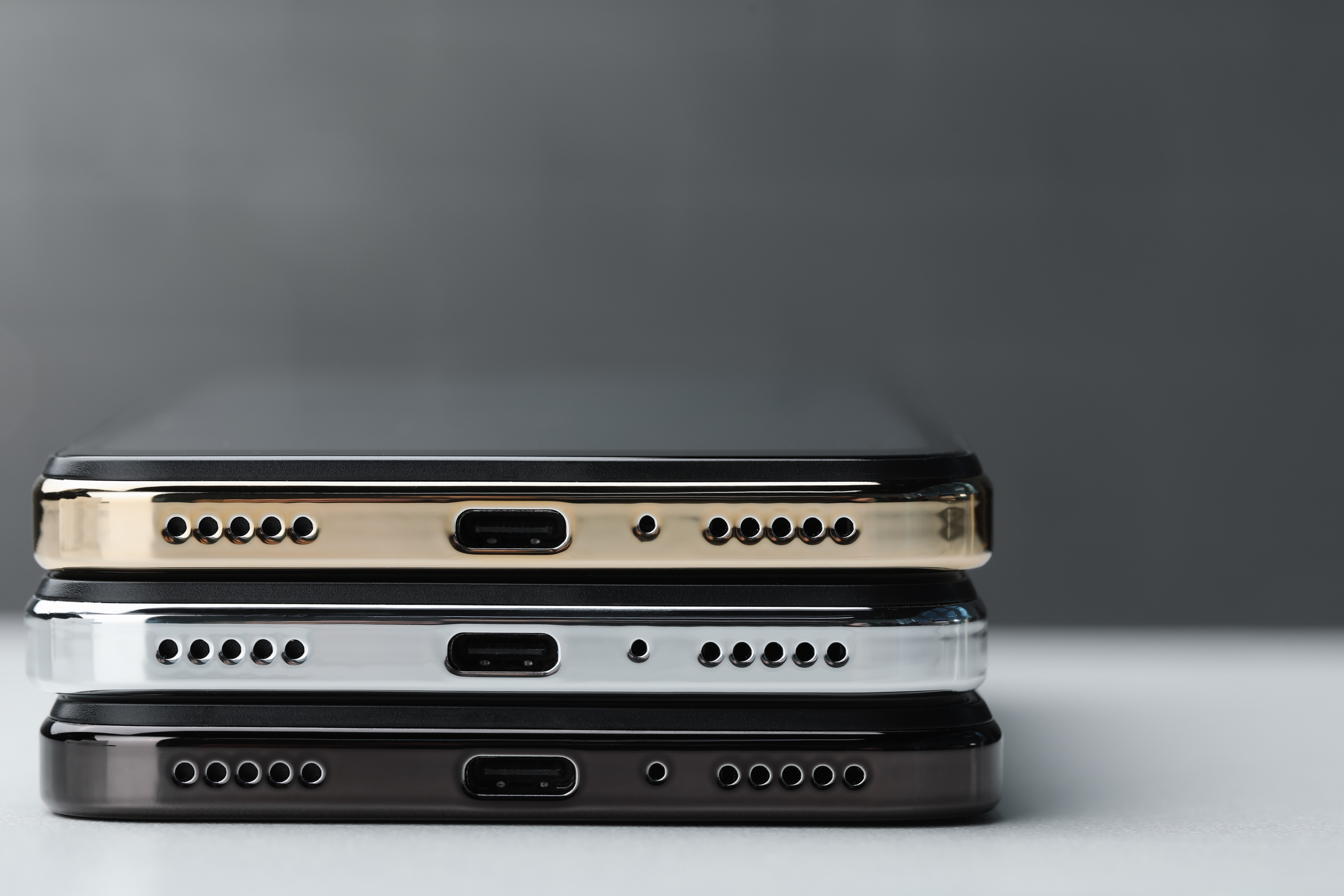
Beyond preventing breaches, enhancing privacy and security means reducing data exposure. This involves using techniques that keep your information safe and private.
Metadata Minimisation Methods
Metadata can reveal a lot about your activities. Minimising metadata ensures that even if data is collected, it remains difficult to interpret. Privacy Devices implements metadata minimisation to limit what can be gleaned from your device’s activity.
By focusing on content protection and reducing metadata, your privacy remains intact. This approach lowers the risk of sensitive information being exposed through indirect data analysis. Explore effective strategies for minimising data exposure in this document.
Sensor and Radio Kill Switches
A sensor kill switch disables your device’s sensors, preventing unwanted data collection. This feature is crucial for maintaining privacy in sensitive situations. Similarly, radio kill switches cut off communication channels, ensuring no data is transmitted without your consent.
These kill switches act as a defensive measure, providing control over what your device communicates. By utilising these features, you can ensure that your device remains silent when necessary.
Compartmentalised Profiles for Secure Communications
Compartmentalising your device into separate profiles allows you to manage different aspects of your digital life securely. Each profile can have its own set of rules and permissions, isolating work from personal activities.
This separation is beneficial for professionals handling sensitive data. By keeping profiles distinct, you minimise the risk of cross-contamination and ensure secure communications. This approach empowers you to maintain control and privacy without sacrificing functionality.
In summary, hardened mobile systems provide robust protection against threats, offering peace of mind in high-risk environments. By implementing these strategies, Privacy Devices ensures your data remains safe, empowering you to operate securely in any condition.
