Panic actions: your last line of defence when a phone is under duress
Standard smartphones collapse the moment pressure hits. When your phone is seized or you face coercion, one wrong move can expose everything. That’s where panic actions and a duress PIN become your last line of defence—irreversibly shredding keys, killing radios, or launching decoy profiles without network help. In this post, you’ll see how Privacy Devices builds hardened, auditable safeguards to keep your data locked down when it matters most. For more information, visit https://encryptedphone.io/?p=172.
Understanding Panic Actions
When pressure mounts and privacy is at stake, having the right tools can make all the difference. Panic actions provide a crucial layer of protection.
Real-World Loss and Seizure Scenarios
Imagine you’re at a border crossing, and your phone is suddenly seized. In such situations, panic actions ensure your data doesn’t fall into the wrong hands. These actions automatically trigger security protocols that protect your private information.
-
Example: A journalist travelling across international borders can activate a panic action to obscure sensitive contacts and communications.
Most people think their phone’s lock screen is enough, but panic actions go further by triggering irreversible data loss. This means that the moment your phone is taken, it can delete encryption keys or launch decoy profiles, ensuring your real data remains hidden.
Coercion Defence Mechanisms
Consider a scenario where you’re pressured to unlock your phone. Panic actions can be a lifeline. By entering a duress PIN, your device performs a pre-set action to protect your data.
-
Insight: A duress PIN could initiate a secure wipe, making the phone appear empty or unusable.
This isn’t about avoiding surveillance; it’s about maintaining your right to privacy. Coercion defence mechanisms give you control, even when situations seem out of your hands. The longer you wait to implement these systems, the more vulnerable you remain.
Implementing Secure Mobile Systems
It’s not enough to understand the threats; you need to know how to counter them effectively. Secure mobile systems are essential in these high-pressure environments.
Duress PIN and Panic Actions Explained
A duress PIN is a code you enter when under pressure, triggering pre-configured security measures. It might perform a cryptographic wipe or activate a decoy profile.
-
Fact: Panic actions can be set up to operate without internet access, ensuring you remain protected anywhere in the world.
In contrast to what you might expect from standard smartphones, a privacy phone equipped with these features offers unparalleled security. With a duress PIN, you have a plan for when situations get tense. Explore more about duress PINs at Panic Guard.
Privacy Phone Protections with AOSP and GrapheneOS
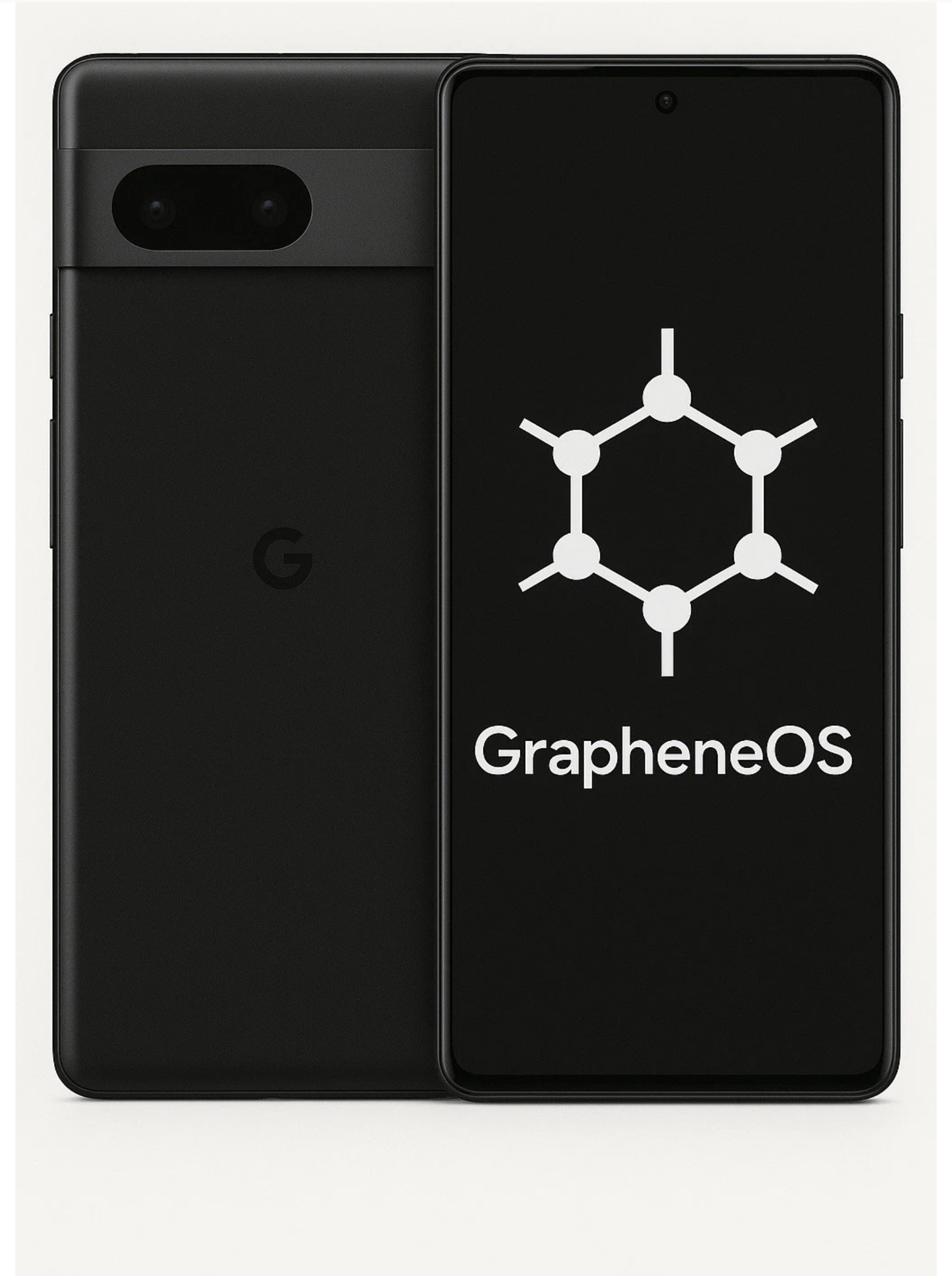
Privacy phones often use AOSP or GrapheneOS, both designed with security in mind. These operating systems offer robust protections against data breaches.
-
Comparison: Unlike typical systems, AOSP and GrapheneOS are open-source, allowing for independent audits and custom security enhancements.
These systems are built for those who understand that privacy isn’t a luxury—it’s a necessity. Whether you’re a journalist or an executive, having a phone running on these platforms means peace of mind. Dive deeper into how these systems work by reading our blog post.
Advanced Security Features
The security landscape is continuously evolving, and staying ahead requires advanced features. Here’s what you need to know about the latest innovations.
Cryptographic Wipe and Key Destruction
When your phone faces an imminent threat, a cryptographic wipe can be initiated. This process obliterates encryption keys, rendering data unreadable.
-
Statistic: Over 60% of users feel safer knowing their device can perform a cryptographic wipe in emergencies.
This feature isn’t just technical jargon; it’s a real-world solution for maintaining privacy. For professionals handling sensitive data, this capability can be a game-changer.
Biometric Lockout and Radio Kill Switch
Imagine a scenario where you need to block access to your phone instantly. A biometric lockout does just that by disabling fingerprint and facial recognition.
-
Feature: A radio kill switch can cut all wireless communications, protecting your location data and preventing remote hacking attempts.
These advanced features challenge the assumption that smartphones are inherently secure. They offer an extra layer of protection for those operating in high-stakes environments. Explore how these features can be integrated into your phone at Prudential Alarms.
In high-risk situations, having the right tools can make all the difference. Privacy Devices offers you the ability to keep your sensitive data secure, no matter the circumstance. Don’t wait until it’s too late—prepare for the unexpected today.
