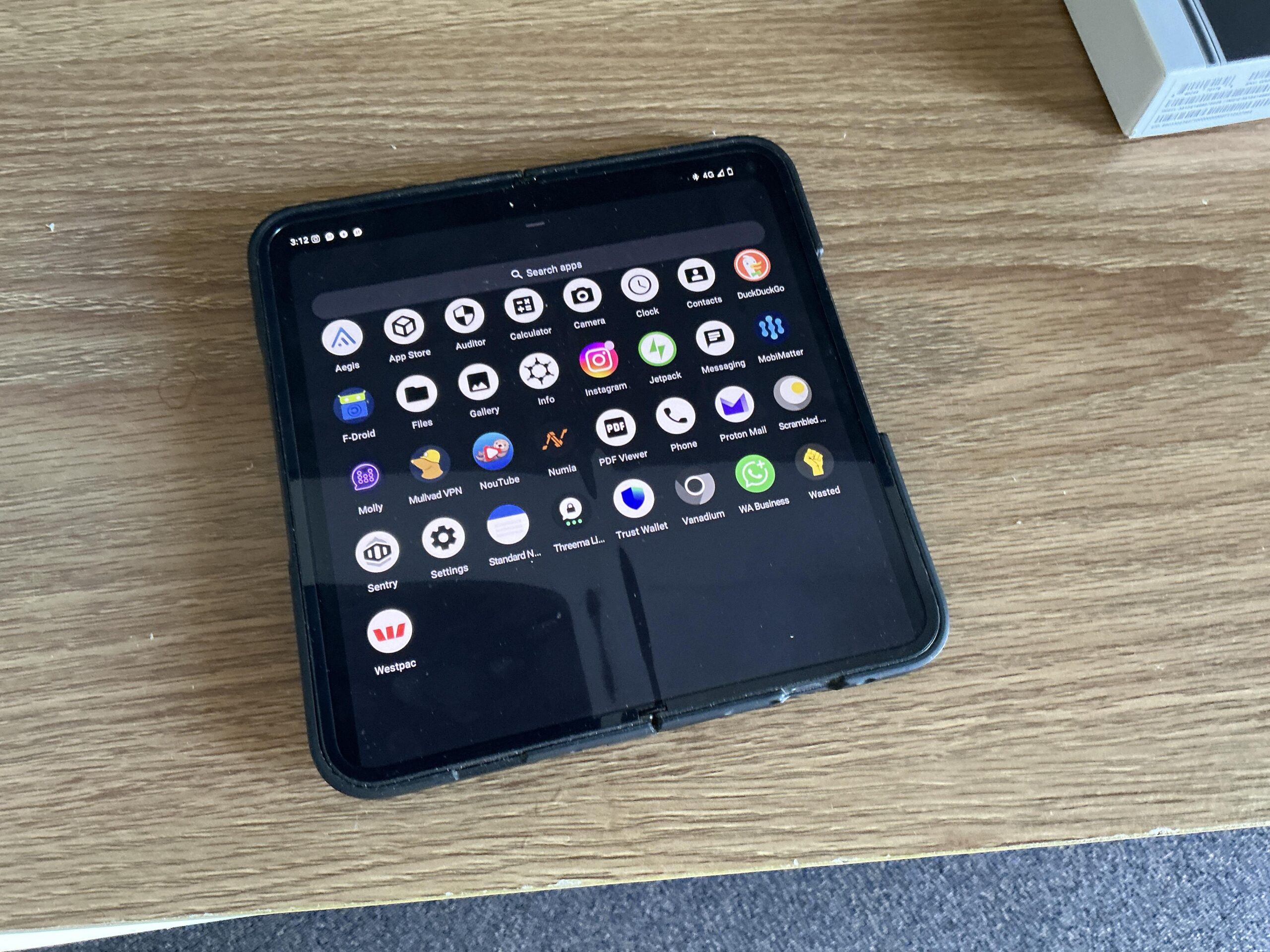
Custom Configurations for Hardened Mobile Systems: Essential Security for Sensitive Professions
Standard smartphones leave your sensitive data exposed when it matters most. If you work in sensitive professions, losing control of your device can mean losing everything. Custom configurations on hardened mobile systems lock down your information—even under duress or seizure. This post explains why tailored security features like duress PINs and metadata minimisation are non-negotiable for your digital risk reduction. For more information on system hardening, check out this resource.
Importance of Custom Configurations
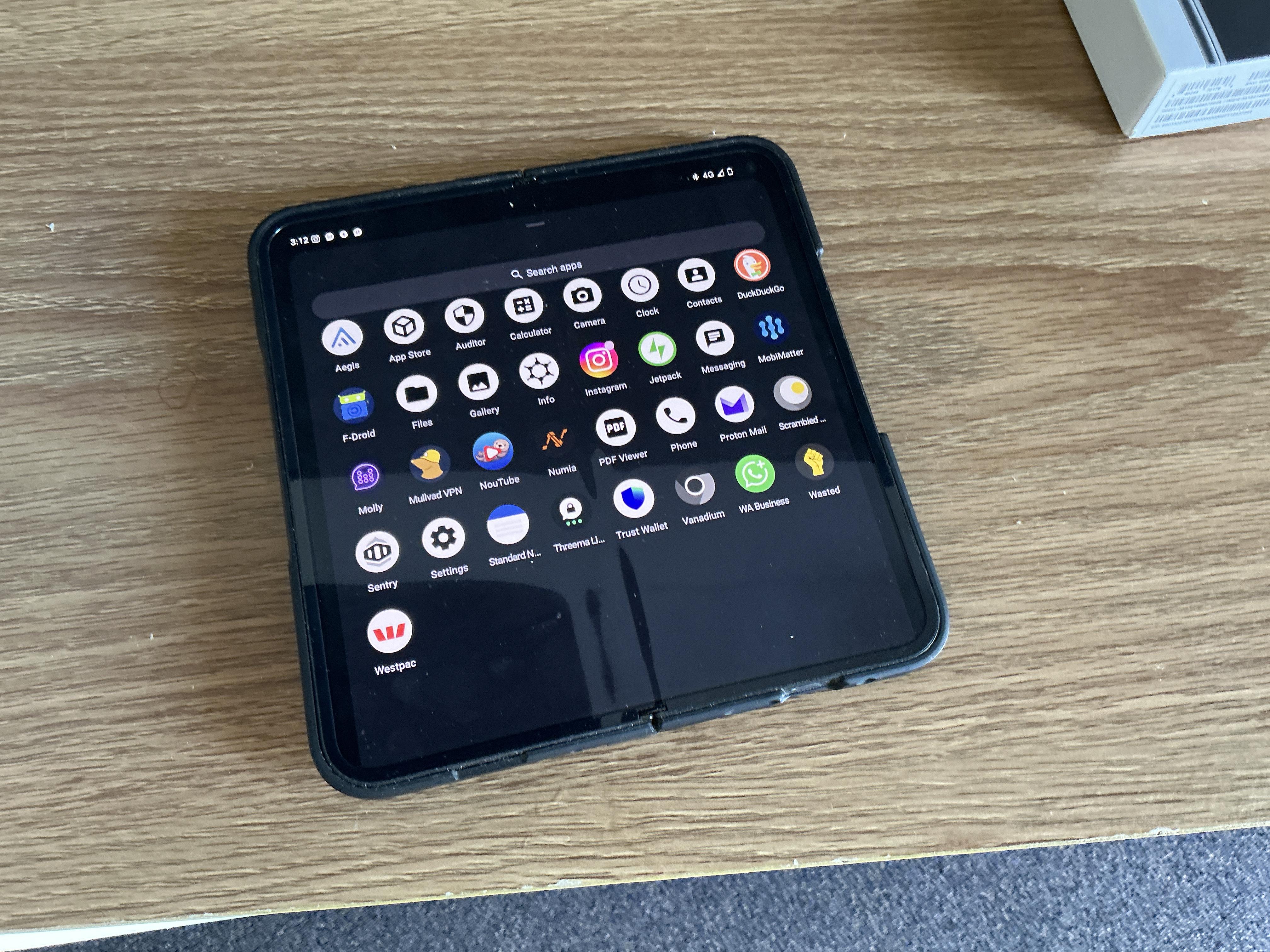
The need to secure personal and professional data is urgent for those in high-risk roles. Custom configurations offer a tailored approach to safeguarding your information.
Protecting Sensitive Professions
Your profession might put your data at risk. Journalists, executives, and investigators need devices that protect against unexpected threats. Traditional smartphones can’t offer this level of security. You need something more robust. Custom configurations provide defence against data breaches. They ensure that sensitive information remains confidential under stress. This is crucial when every action or word could be scrutinised.
These tailored systems focus on real-world scenarios—loss, coercion, and seizure. For example, if you’re a journalist, a device compromised at a border could reveal sources. Custom-configured systems guard against such breaches. They offer peace of mind that your work remains protected. This is not just about technology—it’s about trust. Your device should be as reliable as your own instinct.
Digital Risk Reduction Strategies
Reducing digital risk isn’t just a buzzword—it’s a necessity. Devices need to be prepared for the worst. Imagine losing your phone during a business trip. The fear of data exposure is real. Custom configurations are designed to fail safely, protecting your data. Forty percent of data breaches are due to device loss or theft.
These systems come with strategies to minimize risk. It’s not just about encryption. It’s about setting up barriers that make data hard to access. Techniques like metadata minimisation play a crucial role. They focus on reducing the digital footprint of your activities. This ensures that even if data is accessed, it reveals little about your activities.
Features of Hardened Mobile Systems
Hardened mobile systems are designed to withstand threats. They come equipped with features tailored to protect your data in real-world situations.
Duress PIN and Panic Actions
Your phone can betray you during critical moments. But what if a simple action could change the outcome? Enter the duress PIN and panic actions. These are lifesavers when you’re under pressure. One wrong move, and your data could be exposed. But with a duress PIN, you gain control. It’s a special code that triggers a security protocol. Your data is locked or erased, keeping it out of unwanted hands.
Panic actions are another layer of protection. Imagine being forced to unlock your phone. Instead of handing over everything, you activate a silent protocol. Your device appears normal, but behind the scenes, data is safeguarded. This kind of proactive security can be the difference between exposure and safety. It’s about staying ahead of potential threats and ensuring you’re never caught off guard.
Metadata Minimisation Techniques
Every digital action leaves a trace—metadata. It’s the background information that can reveal more than you think. But with metadata minimisation, you take control. These techniques focus on reducing data that your actions generate. It’s not just about hiding content; it’s about making sure that the traces you leave are minimal.
For those handling sensitive information, this is vital. Metadata can show who you contacted, when, and where. By minimising this, you limit exposure. Imagine conducting an investigation without leaving a digital trail. It’s about being invisible in a digital world. Seventy-four percent of breaches involve access through metadata. So, reducing it is not just smart—it’s essential.
Securing Communication in High-Risk Environments
Communication is the lifeline of any operation. In high-risk environments, it needs to be secure. Privacy devices ensure that your exchanges remain confidential.
Ensuring Data Security with Privacy Devices
Your conversations should be private, not open for the world to see. Privacy devices make this possible. They’re built to secure your communication channels. Whether you’re discussing sensitive deals or sharing confidential insights, these devices ensure your words stay between you and the intended recipient.
Privacy devices aren’t just about encryption. They come with layers of protection. Imagine a phone call that can’t be tapped or a message that can’t be intercepted. That’s the level of security these devices offer. It’s about ensuring that your data remains your data. When you’re operating in sensitive environments, this assurance is invaluable.
Overcoming Real-World Threats with Secure Communication
Communication isn’t just about exchange; it’s about security. In high-stakes situations, you need assurance that your messages are safe. Secure communication systems are designed for this. They’re built to withstand real-world threats. Imagine a device that actively protects your data during a security breach.
These systems focus on threat detection and response. They act quickly to secure your information. Whether it’s a hacking attempt or a physical seizure, your data stays protected. Learn more about managing sensitive assets in challenging environments here. This kind of proactive approach ensures that you’re always a step ahead. It’s about peace of mind, knowing that your communication is secure, no matter the situation.
In a world where digital threats are ever-present, having the right tools is crucial. Hardened mobile systems and privacy devices aren’t just technology—they’re your partners in protection. They ensure that your professional integrity and personal privacy remain intact, even in the most challenging circumstances.
